Nila Kartika Wati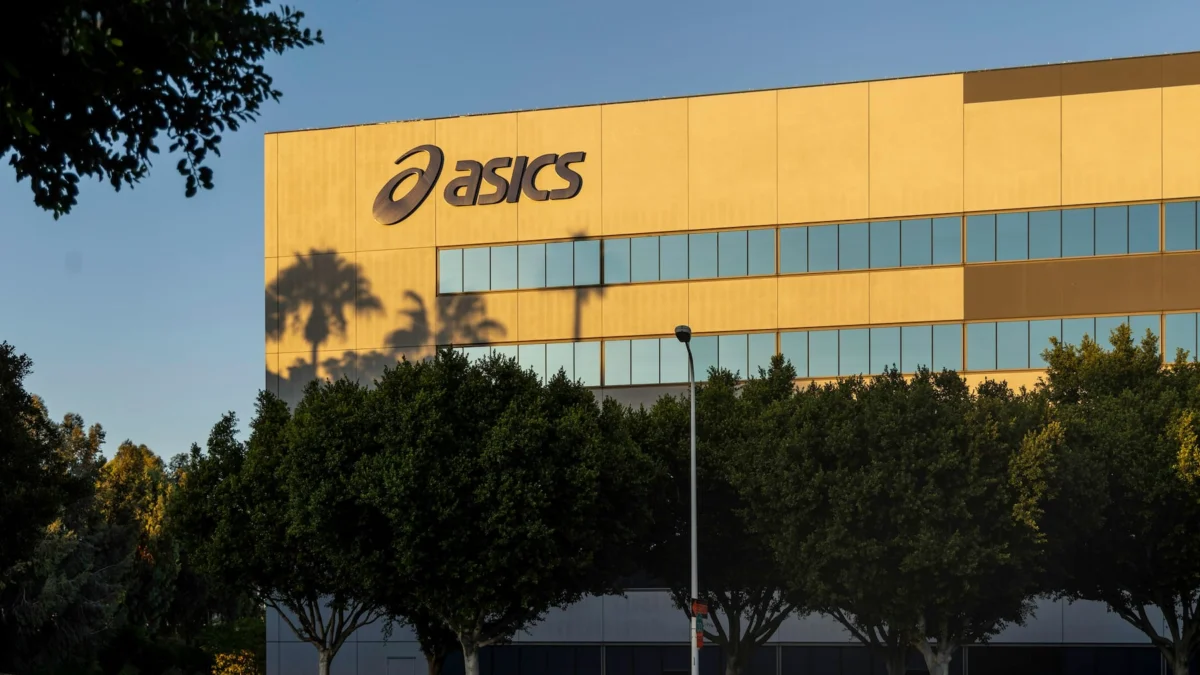
Japanese athletic footwear and apparel giant Asics has indicated its readiness to implement price increases on its products, citing the potential for prolonged geopolitical conflicts and their subsequent impact on global supply chains as a primary driver. The company’s CEO, Kenichi Tominaga, reportedly informed Nikkei that should the current geopolitical climate, particularly referencing ongoing international conflicts, persist, Asics would be compelled to "consider" adjusting its pricing strategies. This statement positions Asics as one of the first major players in the competitive sneaker market to publicly signal such a move, raising concerns about broader inflationary pressures within the industry.
The Evolving Landscape of Global Supply Chains
The athletic footwear industry, like many other globalized sectors, relies heavily on intricate and often fragile supply chains. For decades, manufacturers have optimized production by sourcing raw materials, manufacturing components, and assembling finished goods in various regions worldwide, primarily driven by cost efficiencies and specialized manufacturing capabilities. Japan, the home of Asics, is known for its high-quality manufacturing but also for its comparatively higher labor and operational costs. This has led many Japanese brands, including Asics, to diversify their production bases, with significant manufacturing operations historically located in Southeast Asia, particularly Vietnam, Indonesia, and China.
These regions have become vital hubs for footwear production due to a combination of factors: a skilled and relatively lower-cost labor force, established infrastructure for large-scale manufacturing, and proximity to key raw material suppliers. However, this globalized model, while efficient in stable times, is acutely vulnerable to disruptions arising from geopolitical instability, trade disputes, natural disasters, and public health crises.
A Chronicle of Disruptions
The past few years have presented a series of unprecedented challenges to global supply chains, significantly impacting the fashion and footwear industries. The COVID-19 pandemic, which began in late 2019, triggered widespread factory closures, port congestion, and a dramatic surge in shipping costs. This led to material shortages, production delays, and a significant increase in the cost of goods for many companies.
Following the initial pandemic shocks, new geopolitical flashpoints emerged. The Russian invasion of Ukraine in February 2022, for instance, not only created humanitarian crises but also disrupted global energy markets, impacting transportation costs and the availability of certain raw materials. While the direct impact on Asics’ manufacturing locations might not be as immediate as for companies with operations in Eastern Europe, the ripple effects on global logistics, energy prices, and consumer confidence are undeniable. The CEO’s statement likely alludes to the cumulative effect of these ongoing and potential future conflicts, which create an environment of uncertainty and increased operational risk.
Asics’ Strategic Position and Potential Impact
Asics, a brand renowned for its performance-driven running shoes and technological innovations, commands a significant share of the global athletic footwear market. The company’s commitment to research and development, often reflected in the premium pricing of its advanced models, makes it particularly sensitive to input costs. The cost of raw materials such as synthetic rubber, EVA foam, textiles, and specialized cushioning technologies, as well as the logistical expenses associated with transporting these materials and finished goods, are all susceptible to inflationary pressures exacerbated by geopolitical instability.
The warning from Asics’ CEO suggests that the company has reached a point where the current cost structure is becoming unsustainable. This could be due to several factors:
- Increased Raw Material Costs: Geopolitical events can directly impact the extraction and processing of key materials. For example, disruptions in energy supply can affect the cost of petrochemicals used in synthetic materials.
- Elevated Transportation and Logistics Expenses: Shipping costs, which had already surged post-pandemic, remain volatile and sensitive to global events. Port congestion, rerouting of vessels due to conflict zones, and increased fuel prices all contribute to higher transportation expenses.
- Currency Fluctuations: Geopolitical instability can lead to significant currency volatility, impacting the cost of imports and the revenue generated from exports.
- Labor Cost Increases: In some regions, geopolitical uncertainty can lead to increased labor costs as companies seek to secure their workforce or as inflation erodes purchasing power.
If Asics does proceed with price increases, it would likely signal a trend that other major sneaker brands may follow. The athletic footwear market is highly competitive, and while brands strive to maintain price points, persistent cost pressures often necessitate adjustments to preserve profit margins. Consumers, already grappling with broader inflation, may face higher prices for their preferred athletic gear.
Supporting Data and Market Context
While specific data regarding Asics’ current cost structure and the precise impact of geopolitical events on their operations is proprietary, broader industry trends offer supporting context. The global footwear market, valued in the hundreds of billions of dollars, has experienced significant price inflation in recent years. Reports from market research firms have consistently highlighted rising costs of raw materials and logistics as key challenges for apparel and footwear companies.
For instance, the cost of shipping containers from Asia to the United States, which reached historic highs in 2021 and 2022, while having somewhat stabilized, remains elevated compared to pre-pandemic levels and is susceptible to renewed surges. Similarly, the prices of key commodities like rubber and various synthetic polymers have seen significant fluctuations, often influenced by global supply and demand dynamics that are, in turn, affected by geopolitical events.
Furthermore, analysis of financial reports from major athletic wear companies often reveals discussions about inflationary pressures and their strategies to mitigate these impacts, including price adjustments, cost-saving measures, and supply chain diversification. The fact that Asics, a company known for its methodical approach to business, is publicly contemplating price hikes underscores the severity of the current economic environment.
Potential Reactions and Broader Implications
The announcement from Asics could elicit a range of reactions:
- Competitors: Other major sneaker brands will likely monitor Asics’ move closely. If Asics successfully implements price increases without a significant loss in market share, it could embolden competitors to follow suit. Conversely, if Asics experiences a negative consumer reaction, others might hesitate.
- Consumers: Consumers may react with concern, potentially seeking more budget-friendly alternatives or delaying purchases. However, for loyal customers of performance-oriented brands like Asics, the price increase might be absorbed, especially if the perceived value and quality remain high.
- Suppliers: Suppliers of raw materials and manufacturing services might interpret Asics’ statement as a signal that brands are willing to pay more for reliable supply, potentially leading to further price negotiations from their end.
- Economists and Analysts: The statement will likely be viewed as another indicator of persistent inflation and the ongoing challenges facing globalized industries. It could fuel discussions about the long-term sustainability of hyper-globalized supply chains and the potential for reshoring or nearshoring of production.
Looking Ahead: Navigating Uncertainty
The athletic footwear industry, characterized by its dynamic trends and consumer-driven demand, is now navigating a complex geopolitical and economic landscape. Asics’ cautious yet firm stance on potential price increases serves as a critical barometer for the sector. The company’s ability to manage costs, innovate, and communicate its value proposition to consumers will be crucial in the coming months.
The broader implication is that the era of consistently low prices for consumer goods, fueled by highly optimized but vulnerable global supply chains, may be evolving. Companies and consumers alike will need to adapt to a more volatile environment where geopolitical stability plays an increasingly significant role in the cost of everyday products. Asics’ preparedness to "consider" price adjustments is a clear signal that the company is actively assessing these risks and preparing for a potentially more expensive operational future. The coming months will reveal whether this proactive approach translates into concrete price changes and how the wider market responds to these evolving economic realities.