Jono Maryono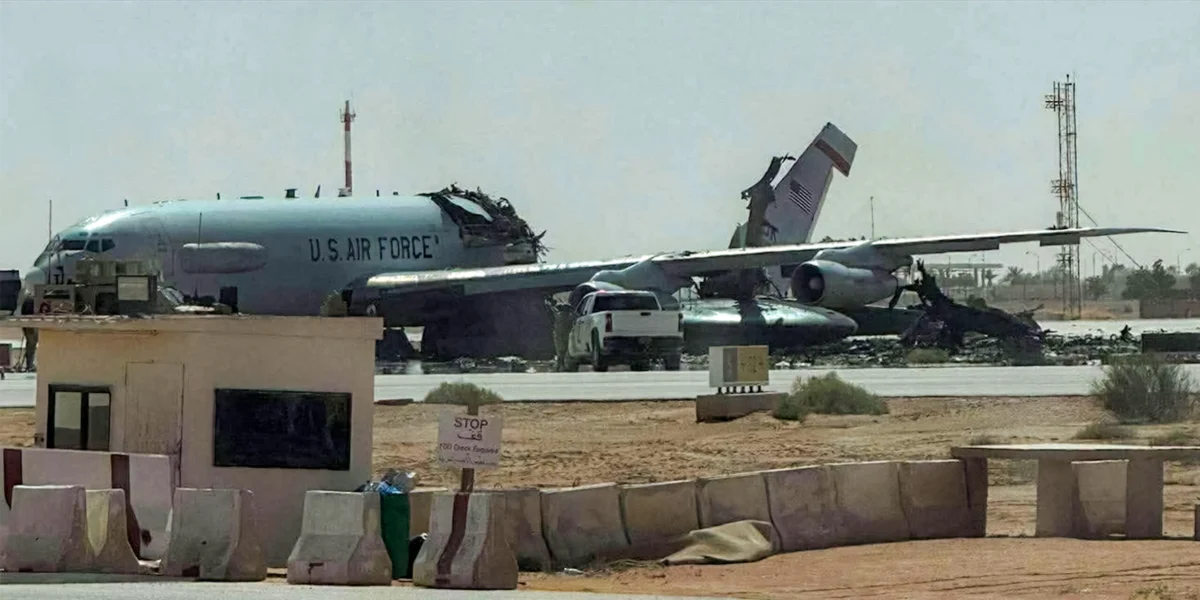
Kuwait has confirmed the death of an Indian national in an Iranian raid targeting a vital power and desalination plant, marking a significant escalation in the ongoing hostilities across the Persian Gulf. The incident, which occurred on March 29, 2026, has heightened fears of a wider regional conflict as attacks on critical infrastructure and military assets intensify. The targeted facility, crucial for Kuwait’s water and electricity supply, sustained damage, raising concerns about potential long-term impacts on the nation’s resources.
Escalation of Attacks in the Gulf
The reported Iranian raid on the Kuwaiti power and desalination plant is the latest in a series of increasingly bold and disruptive attacks across the Gulf region. These incidents have involved a variety of targets, from oil facilities and shipping lanes to military bases and, now, critical civilian infrastructure. The perpetrators and their precise motives remain subjects of intense international scrutiny, but the pattern suggests a deliberate effort to destabilize the region and exert geopolitical pressure.
The involvement of an Indian national in the attack underscores the widening circle of casualties in this escalating conflict. India, along with many other nations, has significant economic and strategic interests in the Gulf, including a large expatriate population working in various sectors. The death of one of its citizens is likely to prompt a strong diplomatic response and further complicate international efforts to de-escalate the situation.
Background and Context
The current wave of attacks follows a period of heightened geopolitical tensions, fueled by a complex interplay of regional rivalries, proxy conflicts, and a breakdown in diplomatic dialogue. For years, the Strait of Hormuz, a vital chokepoint for global oil trade, has been a focal point of these tensions. However, recent events suggest a shift towards broader targeting of infrastructure, potentially aiming to cripple economies and disrupt daily life.
The incident in Kuwait comes amidst reports of other significant attacks in the region. On the same day, a U.S. Air Force Airborne Warning and Control System (AWACS) aircraft, a critical asset for air traffic control and surveillance, was reportedly struck and damaged at Prince Sultan Airbase in Saudi Arabia. This incident, as depicted in an image verified by AFP, highlights the growing reach and sophistication of the attacks, extending to high-value military assets. While the exact responsibility for these separate incidents is yet to be definitively established by official sources, the geographical proximity and the timing of these attacks point towards a coordinated or interconnected escalation.
Chronology of Events (Inferred and Reported)
While a precise, official timeline is still emerging, the events of March 29, 2026, appear to have unfolded as follows:
- Early Morning/Daytime: Reports of an attack on a power and desalination plant in Kuwait begin to surface. Initial information suggests significant damage to the facility.
- Midday: Kuwaiti authorities confirm the attack and, crucially, report the death of an Indian worker as a direct consequence of the raid. The specific nature of the "raid" – whether it involved aerial bombardment, missile strikes, or another form of attack – is likely under investigation.
- Concurrent Events: Simultaneously, or within a similar timeframe, an attack is reported on a U.S. military facility in Saudi Arabia, resulting in damage to an AWACS aircraft.
- Afternoon/Evening: International news agencies begin to report on these incidents, with the Al Jazeera Live feed providing initial updates and visual documentation of the aftermath in Saudi Arabia. Diplomatic channels are likely activated as governments assess the implications and formulate responses.
Supporting Data and Potential Impacts
The targeted power and desalination plant in Kuwait is a critical piece of national infrastructure. Such facilities are not only vital for providing electricity but also for producing fresh water, a scarce and precious resource in the arid Gulf region. The disruption of these services could have cascading effects:
- Water Scarcity: A prolonged outage or damage to desalination units could lead to severe water shortages, impacting domestic consumption, agriculture, and industry. Kuwait, like many Gulf nations, relies heavily on desalination to meet its water demands.
- Power Outages: The damage to the power generation component of the plant would exacerbate electricity shortages, particularly during periods of high demand, potentially leading to widespread blackouts.
- Economic Disruption: Beyond the immediate impact on utilities, disruptions to power and water can cripple businesses, affect manufacturing, and disrupt trade. The cost of repairs and the potential loss of revenue could be substantial.
- Humanitarian Concerns: The death of an Indian worker highlights the human cost of these attacks. Such incidents can also lead to increased anxiety and insecurity among expatriate communities, who form a significant portion of the workforce in many Gulf countries.
The damage to the AWACS aircraft in Saudi Arabia represents a significant blow to military operational capabilities. AWACS aircraft are essential for maintaining air superiority, coordinating air defense, and providing real-time situational awareness during military operations. Their loss or incapacitation can impact a nation’s ability to defend its airspace and project power.
Official Responses and Diplomatic Reactions (Inferred)
While specific official statements from all involved parties may not have been released at the time of initial reporting, certain reactions can be logically inferred based on the severity of the incidents:
- Kuwait: The Kuwaiti government is expected to issue a strong condemnation of the attack, express condolences to the family of the deceased Indian worker, and launch a thorough investigation into the incident. Diplomatic channels with Iran would likely be engaged, demanding accountability and an explanation. Kuwait may also seek support from regional and international allies to bolster its security.
- India: The Indian government would undoubtedly express its deep concern and anger over the death of its citizen. It would likely call for a swift and transparent investigation, demand justice for the victim, and reiterate its commitment to the safety and security of its diaspora abroad. India might also engage in diplomatic consultations with Kuwait and other concerned nations.
- Iran: Given the history of such accusations, Iran would likely either deny responsibility, claim self-defense, or attribute the attack to regional proxies. The nature of Iran’s response would depend on the evidence presented and its broader geopolitical strategy.
- United States: The U.S. would likely condemn the attack on its military asset and potentially any attack on civilian infrastructure. It would likely reiterate its commitment to regional security and its alliances, potentially increasing its military presence or imposing further sanctions.
- Saudi Arabia: Saudi Arabia, as the host of the damaged AWACS aircraft, would likely express its outrage and pledge to investigate the incident. It would also likely coordinate with the U.S. and other regional partners to address the escalating threat.
- United Nations and International Community: The UN Secretary-General would likely call for de-escalation and adherence to international law. Other nations with interests in the region, such as the UAE, Qatar, and European powers, would likely express concern and urge restraint.
Broader Impact and Implications
The events of March 29, 2026, carry significant implications for the stability of the Middle East and beyond:
- Risk of Wider Conflict: The targeting of critical civilian infrastructure and advanced military assets dramatically raises the stakes. It increases the risk of miscalculation and escalation, potentially drawing in more regional and global powers into a direct confrontation.
- Economic Repercussions: Continued attacks on energy infrastructure and shipping lanes could lead to a surge in oil prices, impacting global economies and exacerbating inflation. Disruption to supply chains could also become more pronounced.
- Humanitarian Crisis: An escalating conflict could lead to a significant humanitarian crisis, with potential for mass displacement, food shortages, and increased civilian casualties.
- Diplomatic Deadlock: The increasing hostility makes diplomatic solutions more challenging. Trust between regional adversaries is at an all-time low, and the path to de-escalation appears fraught with obstacles.
- Shifting Regional Alliances: The escalating tensions may prompt countries in the region to re-evaluate their alliances and security arrangements, potentially leading to new geopolitical configurations.
The incident in Kuwait, alongside the attack on the U.S. military asset in Saudi Arabia, serves as a stark warning of the precarious security situation in the Persian Gulf. The loss of life and the damage to vital infrastructure underscore the urgent need for de-escalation, dialogue, and a renewed commitment to diplomatic solutions to avert a wider regional conflagration. The international community faces a critical juncture in its efforts to manage this escalating crisis and prevent it from spiraling into a full-scale conflict with devastating global consequences.