Ferry Irwandi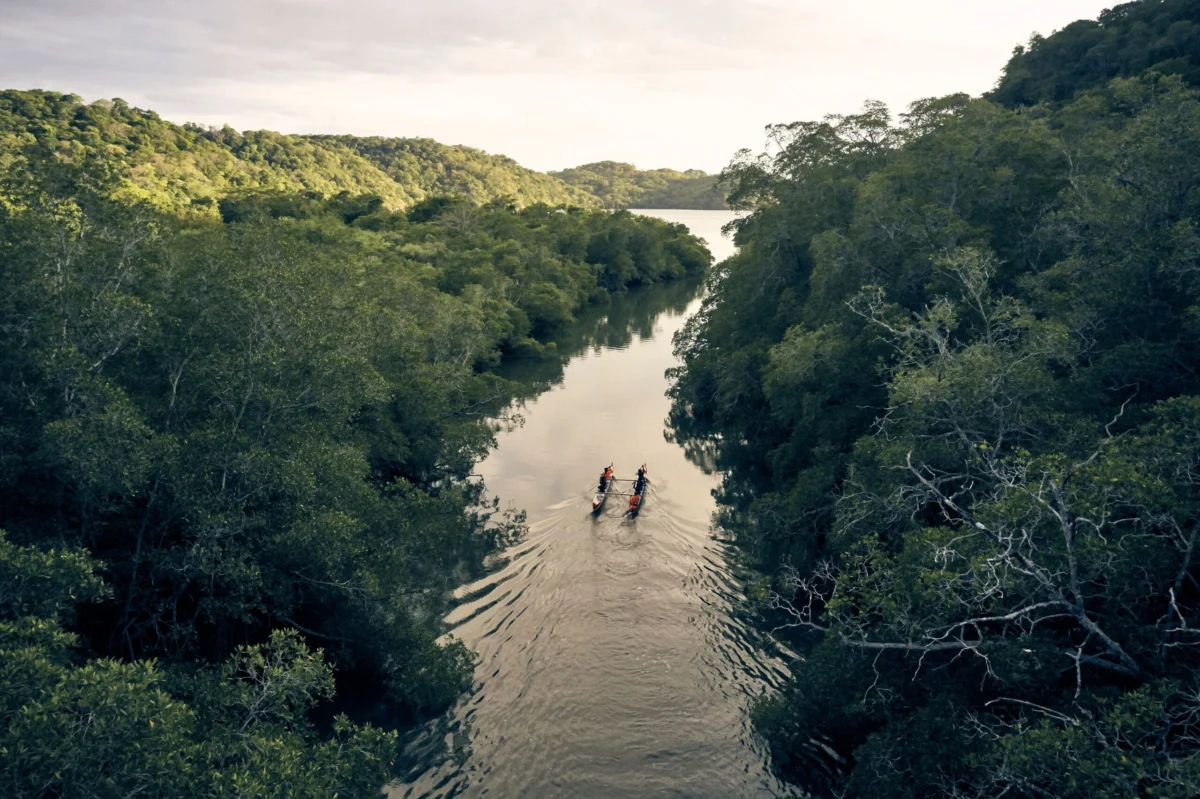
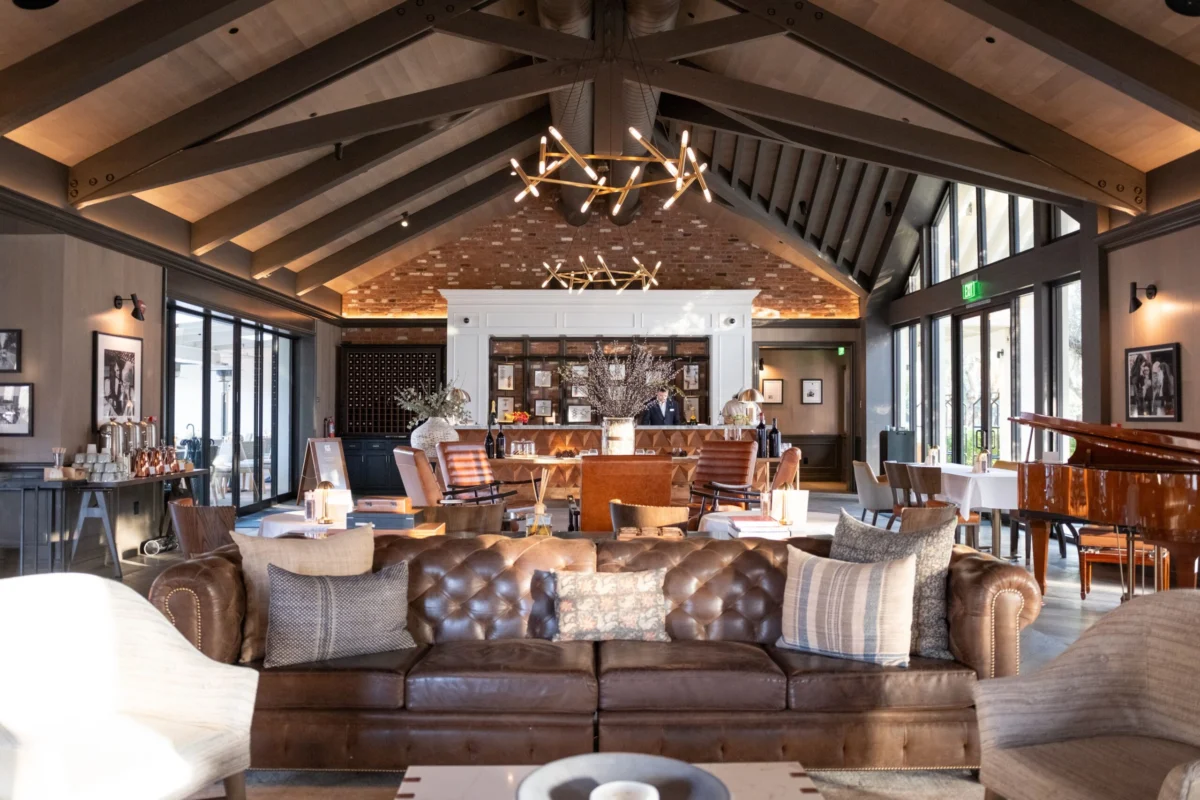
The opening of Nekajui, a Ritz-Carlton Reserve, on Costa Rica’s Peninsula Papagayo has marked a definitive shift in the landscape of high-end tourism, signaling the region’s transition from a secluded getaway to a premier global enclave for ultra-luxury and ecological stewardship. Nestled within the tropical hillsides of the Guanacaste province, the property features 107 guest rooms and suites, complemented by 36 private residences, all designed to integrate seamlessly into the surrounding dry tropical forest. The architectural philosophy behind the resort emphasizes an organic emergence from the landscape, where suspended bridges allow guests to traverse the canopy and the vocalizations of howler monkeys serve as a constant reminder of the site’s biodiversity. This development is not merely an expansion of the Marriott International portfolio but a cornerstone of a broader, government-mandated strategy to balance intensive economic investment with rigorous environmental preservation.
The Strategic Expansion of the Papagayo Luxury Corridor
While Nekajui represents the latest milestone in the region’s development, it is part of a larger influx of prestigious hospitality brands that are redefining the northwestern coastline of Costa Rica. Across the bay at Playa Penca, the Waldorf Astoria has established its first Costa Rican presence, introducing a multi-tiered pool system and a spa inspired by the limestone cenotes of the Mesoamerican region. This arrival has been followed by the announcement of an ambitious 50-acre St. Regis property. The St. Regis development is slated to include not only traditional guest accommodations but also an exclusive collection of private residences, headlined by the $30 million Astor mansion, a structure intended to set a new price floor for luxury real estate in Central America.
The concentration of these brands within a relatively small geographic area has transformed Peninsula Papagayo into a bona fide luxury enclave, yet the density of development remains strictly controlled. Unlike other global luxury hubs where rapid growth often leads to urban sprawl, the expansion here is governed by a long-standing ruling by the Costa Rican government. This regulation mandates that 70 percent of the peninsula’s 1,400 acres must remain as protected dry tropical forest. This legal framework ensures that as the value of the land increases, the ecological integrity of the corridor remains uncompromised, creating a "jungle utopia" that functions with the exclusivity of a private club while maintaining the characteristics of a wildlife sanctuary.
A Chronological Overview of Peninsula Papagayo’s Development
The trajectory of Peninsula Papagayo as a tourism powerhouse began two decades ago and has moved through distinct phases of growth:
- 2004: The Anchor Institution. The arrival of the Four Seasons Resort Costa Rica served as the catalyst for the peninsula’s development. It established the initial infrastructure and proved that the remote Guanacaste coastline could support the operational demands of a five-star international brand.
- 2013: The Lifestyle Shift. The opening of the Andaz Peninsula Papagayo Resort introduced a more contemporary, lifestyle-oriented luxury. According to Dale N. Smith, the director of sales and marketing for Andaz, the property acted as a trailblazer by focusing on the "playground" aspect of the peninsula, blending high-end service with an informal, nature-first aesthetic.
- 2023–2024: The Ultra-Luxury Wave. The inauguration of Nekajui and the Waldorf Astoria marked the beginning of a new era characterized by "Reserve" and "Waldorf" level service standards, targeting the ultra-high-net-worth individual (UHNWI) demographic.
- 2025–2026 and Beyond: The upcoming completion of the St. Regis and the continued expansion of the "branded residences" sector indicate a move toward permanent or semi-permanent luxury living, where guests transition into stakeholders and residents.
Environmental Governance and the Rewilding Initiative
Central to the continued viability of Peninsula Papagayo is its commitment to rewilding and community uplift. The management of the peninsula has moved beyond simple conservation toward active restoration. In collaboration with local non-governmental organizations (NGOs), developers have worked to expand wildlife corridors that allow indigenous species to move freely between the protected forest zones and the coastline. These efforts are supported by a zero-waste infrastructure project designed to minimize the carbon footprint of the thousands of guests and residents who visit annually.
.jpg)
The environmental strategy is also a marketing asset. In an era where "greenwashing" is a common critique of the travel industry, Peninsula Papagayo’s 70 percent protection rule provides a tangible metric of success. This commitment to the dry tropical forest—one of the most endangered ecosystems in the world—has allowed the peninsula to maintain its "natural bounty" despite the influx of capital. The rewilding program has seen the return of various bird species and mammals to areas that were previously used for cattle ranching before the tourism boom began.
Supporting Infrastructure and the "Playground" Economy
The development of Peninsula Papagayo is supported by significant investments in lifestyle and wellness infrastructure. A primary example is the $26 million, 23-acre Papagayo Park, which serves as a wellness and recreation hub for the entire community. This facility integrates traditional fitness amenities with the natural environment, offering a space where residents and guests can "reset" through outdoor activities.
Education has also become a unique component of the Papagayo experience. The community offers a curriculum that blends traditional learning with environmental science, where children engage in "science class in the trees" and physical education conducted on surfboards. This holistic approach to the "resort lifestyle" is designed to appeal to families who are increasingly looking for travel experiences that offer both luxury and educational value for their children.
Furthermore, the peninsula’s management model requires existing hotels to provide free transportation for guests. This policy is strategically designed to ensure that the economic benefits of tourism are not confined to the resort pools. By facilitating easy access to the broader Guanacaste region, the policy encourages guests to visit local towns, patronize independent businesses, and engage with Costa Rican culture, thereby fostering a more symbiotic relationship between the luxury enclave and the local population.
Economic Implications and Market Analysis
The economic impact of the Peninsula Papagayo development extends far beyond the hospitality sector. The rise of branded residences—managed by names like Ritz-Carlton and St. Regis—has created a robust real estate market that attracts international capital. These residences often serve as "safe haven" investments for global buyers, offering the security of a world-class brand combined with the high growth potential of Costa Rican real estate.
The $30 million price tag for the Astor mansion at the upcoming St. Regis property is a testament to the surging demand for ultra-exclusive tropical living. Analysts suggest that this trend is driven by a desire for "seclusion without isolation." Peninsula Papagayo provides a remote, pristine environment that is nevertheless accessible via the Daniel Oduber Quirós International Airport (LIR) in Liberia, which has seen a corresponding increase in private jet traffic and direct commercial flights from major North American and European hubs.

From a policy perspective, the Costa Rican government’s role as a regulator has been crucial. By capping the amount of developable land, the government has artificially created scarcity, which drives up the value of existing properties while ensuring that the "product"—the natural beauty of Costa Rica—is not destroyed by its own success. This "high-value, low-impact" tourism model is often cited by international tourism boards as a blueprint for sustainable development in emerging markets.
Broader Impact and the Future of Eco-Luxury
The success of Peninsula Papagayo suggests a shift in the global travel industry’s definition of luxury. Modern travelers are increasingly prioritizing "transformative experiences" over mere opulence. The ability to travel through treetops by suspended bridge, witness the migration of whales from a hotel suite, or participate in local conservation efforts is becoming the new standard of prestige.
As the peninsula approaches its final phases of planned development, the focus is expected to shift from construction to long-term ecosystem management. The "jungle utopia" described by residents and staff is a fragile balance that requires constant oversight. However, with the backing of global hospitality giants and a firm regulatory framework, Peninsula Papagayo is positioned to remain a leader in the intersection of luxury and ecology.
The implications for the local community remain a focal point of the region’s long-term strategy. The collaboration with local NGOs and the emphasis on zero-waste infrastructure are intended to ensure that the "uplift" mentioned in the community programs results in genuine socio-economic progress for the Guanacaste province. By integrating local labor, culture, and conservation into the core business model of these ultra-luxury resorts, Peninsula Papagayo aims to prove that the most exclusive destinations can also be the most responsible.
In conclusion, the evolution of Peninsula Papagayo from the 2004 opening of the Four Seasons to the 2024 launch of Nekajui represents a sophisticated maturation of the Costa Rican tourism industry. It is a case study in how a nation can leverage its natural assets to attract the world’s most prestigious brands while maintaining a steadfast commitment to the environment. As other regions look to replicate this success, the peninsula stands as a reminder that in the world of modern luxury, the greatest amenity is often the preservation of nature itself.