
 Reynand Wu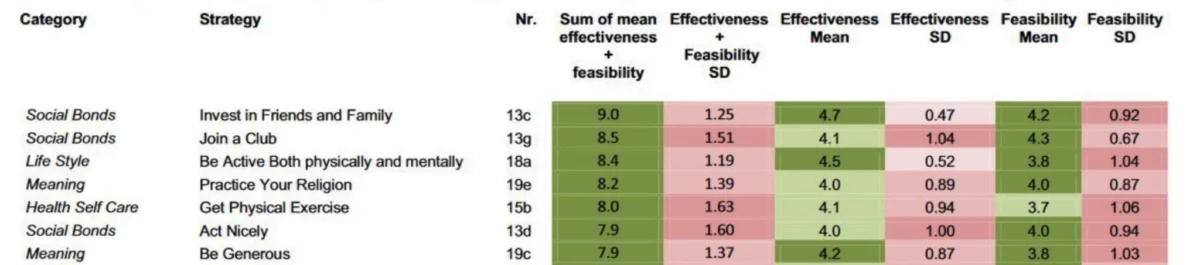
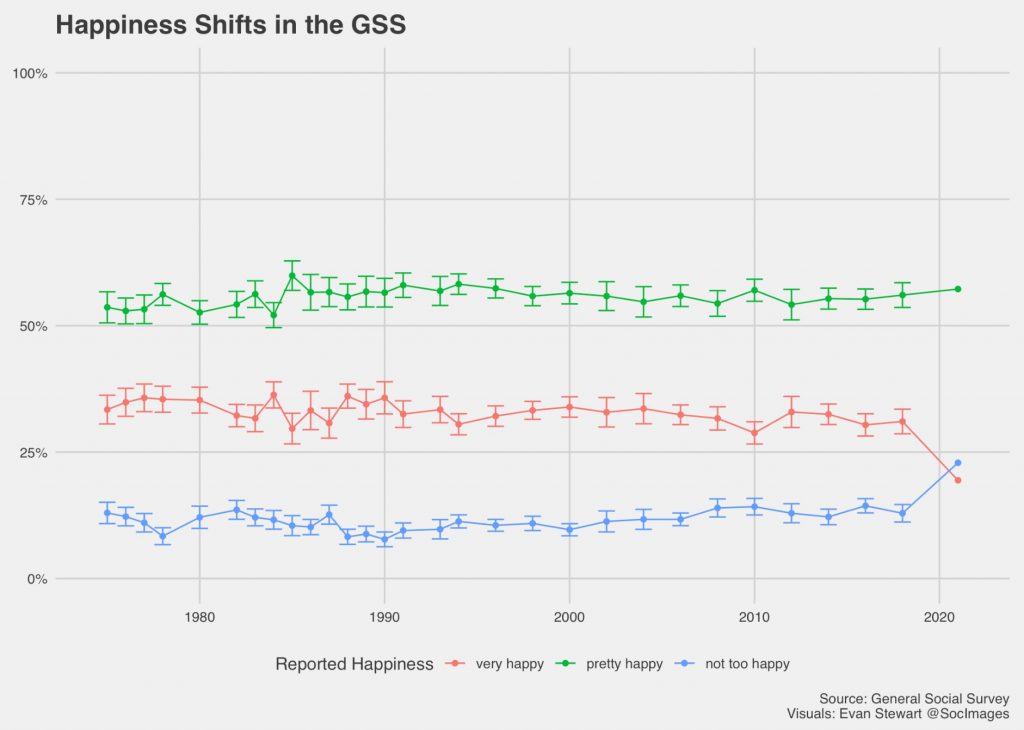
As the new year ushers in a new peak in COVID-19 cases across the country, a pervasive sense of malaise has settled over the populace, underscored by concerning trends in national well-being. This latest surge, driven by highly transmissible variants, has not only strained healthcare systems but has also exacerbated a deepening crisis in self-reported happiness, a decline that began early in the pandemic and shows no signs of abating. The General Social Survey (GSS), a pivotal barometer of American attitudes and behaviors, has recently released new data that confirms this troubling trajectory, revealing a continued drop in citizens reporting themselves as "very happy" and a corresponding increase in those identifying as "not too happy."
Tracking the Decline: Insights from the General Social Survey
The General Social Survey, conducted by the National Opinion Research Center (NORC) at the University of Chicago since 1972, provides a comprehensive portrait of the social, demographic, and attitudinal characteristics of the United States. Its long-standing methodology, involving face-to-face interviews, offers invaluable longitudinal data. However, the exigencies of the pandemic necessitated a shift to an online administration method for some of its recent data collection. While this methodological change could account for a fraction of the observed variance, NORC’s own previous pandemic tracking surveys corroborate the consistent pattern of diminishing happiness, suggesting a genuine societal shift rather than merely a statistical artifact.
Specifically, the GSS data from 2021 indicates a significant dip when compared to pre-pandemic levels. Prior to 2020, the percentage of Americans reporting to be "very happy" typically hovered around 30-35%. The latest figures reveal a notable decrease, with a corresponding rise in those expressing lower levels of contentment. This decline is not uniform across all demographics, with certain age groups, income brackets, and racial/ethnic communities experiencing disproportionately higher levels of distress, underscoring the pandemic’s unequal impact on societal well-being. The erosion of collective happiness is a critical indicator, signaling broader societal strains that extend beyond immediate health concerns.
A Chronology of Discontent: The Pandemic’s Mental Health Trajectory
The global health crisis initiated in early 2020 rapidly transformed daily life, introducing unprecedented levels of uncertainty, isolation, and grief. The initial phase saw widespread lockdowns, economic disruption, and a surge in public health anxieties. Surveys conducted in mid-2020, such as those highlighted by The Society Pages, were among the first to identify a noticeable drop in self-reported happiness. This initial decline was attributed to factors ranging from job losses and financial insecurity to social isolation and the pervasive fear of illness and death.
As the pandemic progressed through 2020 and into 2021, the initial shock gave way to prolonged periods of stress, adaptation fatigue, and the emergence of new challenges, including vaccine hesitancy, political polarization, and persistent supply chain issues. Each new wave of infection, particularly the Delta and Omicron variants that emerged in late 2021 and early 2022, brought renewed anxieties, disrupted nascent recovery efforts, and forced a re-evaluation of return-to-normal timelines. It is against this backdrop of oscillating hope and despair that the latest GSS data must be interpreted. The "new peak in COVID cases" referenced in early 2022, likely driven by the Omicron variant, represented a severe test of public resilience, leading to widespread illness, worker shortages, and renewed disruptions to social life, all contributing to the sustained decline in national happiness. This chronological progression illustrates a cumulative toll, where each successive challenge further erodes the collective sense of well-being.
Beyond Individualism: Experts Advocate for Social Solutions
In light of these pressing societal challenges, the academic community has intensified its focus on understanding and mitigating the decline in well-being. A recent study, which has garnered significant attention within sociological and psychological circles, particularly on platforms like Twitter, offers crucial insights by synthesizing expert opinion on enhancing life satisfaction. This research involved conducting interviews and surveys with leading experts in happiness research, asking them to rank potential interventions—both personal and policy-oriented—based on their comprehensive understanding of existing research literature. The findings of this expert consensus study highlight two particularly salient points that challenge conventional wisdom and offer a path forward.
Firstly, the study’s deliberate inclusion of both personal and policy solutions is a critical departure from the often individualistic narrative surrounding happiness. In Western societies, particularly fueled by the multi-billion dollar self-help industry, the pursuit of happiness is frequently framed as a personal journey, an individual responsibility to cultivate positive thinking, mindfulness, or personal resilience. While these individual efforts are not without merit, this expert consensus study firmly reminds us that individual well-being is inextricably linked to collective well-being. It posits that systemic factors and public policies play a profound role in shaping the conditions conducive to a happy life, shifting the focus from sole self-improvement to broader societal responsibility.
Secondly, and perhaps most strikingly, many of the experts’ top-ranked solutions were explicitly centered around the concept of social relationships. For personal solutions, two of the most highly regarded suggestions were "investing in friends and family" and "joining a club or group." These recommendations underscore the fundamental human need for connection and belonging. On the policy front, experts identified "promoting voluntary work or civil service" and "reducing loneliness" as high-impact strategies. This consensus among leading researchers, indicated not only by high expert ratings but also by low standard deviations, signifying a strong agreement, powerfully demonstrates the scientific community’s conviction that robust social bonds are not merely a desirable adjunct to life but are foundational to sustained happiness and resilience.
The Primacy of Connection: Deep Dive into Social Relationships
The emphasis on social relationships by happiness experts aligns with a vast body of sociological and psychological research. Decades of studies have consistently demonstrated that strong social ties are among the most robust predictors of individual well-being, longevity, and mental health. The landmark Harvard Study of Adult Development, one of the longest-running studies of adult life ever conducted, famously concluded that good relationships keep us happier and healthier. It found that close relationships, more than money or fame, are what keep people happy throughout their lives. This comprehensive study, spanning over 80 years, revealed that participants who reported having strong social connections were not only happier but also lived longer and healthier lives than those who reported fewer connections.
The current pandemic, with its enforced isolation and disruption of social routines, has inadvertently provided a large-scale, real-world experiment confirming the critical role of social interaction. The widespread reports of increased anxiety, depression, and loneliness during lockdown periods directly correlate with the severing or weakening of these essential social bonds. When experts suggest "investing in friends and family," they are advocating for the deliberate cultivation of quality relationships—spending meaningful time, offering support, and engaging in shared experiences. "Joining a club or group" speaks to the need for belonging to a community, whether it be a hobby group, a religious congregation, or a volunteer organization, providing a sense of shared purpose and identity beyond the nuclear family. These activities foster a sense of mutual support and shared experience that mitigates feelings of isolation and enhances collective resilience.
Policy Imperatives: Translating Research into Action
The expert consensus on social solutions carries profound implications for public policy. If reducing loneliness and promoting civic engagement are indeed high-leverage strategies for improving national well-being, then governments and civil society organizations have a clear mandate to act. "Reducing loneliness," for instance, can be addressed through a variety of initiatives, from public health campaigns raising awareness about its detrimental effects to funding community centers, intergenerational programs, and accessible public spaces that facilitate organic social interaction. Countries like the UK have even appointed a Minister for Loneliness, recognizing it as a serious public health issue.
"Promoting voluntary work or civil service" can be achieved through government-backed programs that incentivize community engagement, offer stipends for service, or integrate civic participation into educational curricula. Initiatives such as national service programs for young adults, or tax incentives for volunteer organizations, could foster a culture of collective responsibility and shared purpose. Furthermore, urban planning and infrastructure development can be designed to create more walkable communities, public parks, and communal gathering spaces that inherently encourage social interaction and reduce isolation. Policymakers should also consider the impact of digital divides, ensuring equitable access to online platforms that can facilitate connection, especially for geographically isolated or mobility-impaired individuals. These policy interventions move beyond merely treating symptoms of unhappiness and instead focus on building robust social infrastructure that supports flourishing lives.
The Sociological Lens: Understanding Collective Well-being
The insights from this expert consensus study resonate deeply with the foundational principles of sociology. As Evan Stewart, an assistant professor of sociology at the University of Massachusetts Boston, notes, teaching introductory sociology often involves confronting questions about the field’s relevance and its contribution to solving real-world problems. The study on happiness and social bonds provides a compelling answer. Sociology, by its very nature, focuses on the intricate interplay between individuals and society, demonstrating how social structures, cultural norms, and collective experiences shape individual lives. It challenges the purely individualistic framing of happiness, arguing that our well-being is not solely a matter of personal choice or psychological disposition but is deeply embedded in our social contexts.
The sociological perspective highlights that issues like loneliness are not merely personal failings but can be symptoms of broader societal trends—such as increased urbanization, declining community participation, or the breakdown of traditional social institutions. Therefore, addressing declining happiness requires a systemic approach that considers these macro-level factors. It means understanding how economic inequality, access to healthcare, educational opportunities, and safe environments all contribute to or detract from an individual’s capacity for happiness. By emphasizing the collective dimensions of well-being, sociology offers a robust framework for developing holistic solutions that extend beyond individual coping mechanisms to foster a more connected, resilient, and ultimately, happier society.
Broader Implications and the Path Forward
The implications of a sustained decline in national happiness are far-reaching. Beyond individual suffering, a less happy populace can experience decreased productivity, increased healthcare costs, diminished social cohesion, and even reduced civic engagement. The current trajectory suggests a potential long-term erosion of social capital, the networks of relationships among people who live and work in a particular society, enabling that society to function effectively. Rebuilding this capital requires concerted effort from all sectors: government, civil society, academic institutions, and individuals.
Moving forward, it is imperative that policymakers, public health officials, and community leaders integrate these sociological insights into their strategies. This means prioritizing investments in social infrastructure alongside physical infrastructure, recognizing that parks, community centers, and programs that foster volunteering are just as vital to national well-being as roads and bridges. Educational institutions, from K-12 to universities, can play a role in fostering social-emotional learning and community engagement among students. Employers can create workplaces that encourage connection and support employee well-being beyond mere financial incentives.
The consensus among happiness experts—that strong social relationships, fostered through both personal effort and thoughtful policy, are paramount to life satisfaction—is not merely a self-help fad. It is a scientifically grounded imperative for navigating tough times and building a more resilient and flourishing society. The ongoing pandemic has undeniably cast a long shadow over national happiness, but by re-prioritizing our collective bonds, we possess the most potent antidote to its isolating effects.
Evan Stewart is an assistant professor of sociology at the University of Massachusetts Boston. His work, available on his website and BlueSky, contributes to the growing body of research advocating for a sociological understanding of well-being.









