
 Reynand Wu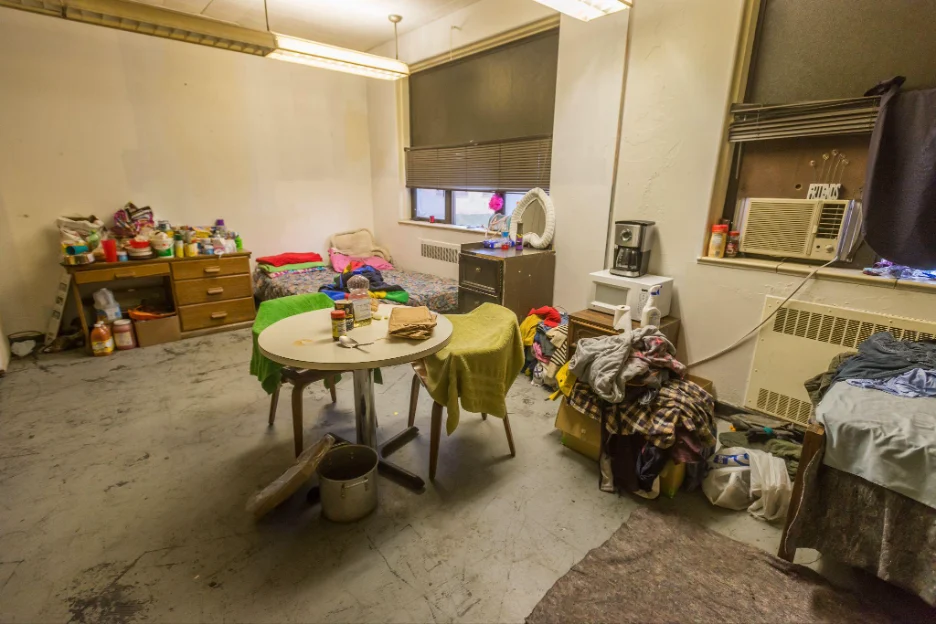
Migrant labor forms the indispensable backbone of U.S. agriculture, a constant and essential workforce that ensures the nation’s food supply. Despite their critical role, the individuals performing this arduous work often remain profoundly hidden, not merely socially, but through a deliberate spatial design. Employers frequently locate worker housing behind dense groves, far from public roads, or sequestered on private land behind locked gates, rendering these sites not only difficult to access but also challenging for residents to leave. This architectural and geographical isolation is not an accident but a systemic feature, reflecting deep-seated power imbalances that shape the lives and autonomy of America’s farmworkers.
The Essential, Yet Invisible, Workforce
The agricultural sector in the United States relies heavily on migrant and seasonal farmworkers, a population estimated by the U.S. Department of Agriculture (USDA) to be between 2.4 and 3 million individuals. These workers, predominantly from Mexico and Central America, often travel across state lines or international borders, following crop cycles to harvest fruits, vegetables, and other agricultural products. Their labor underpins an industry that generated over $450 billion in cash receipts in 2022, yet their contributions are frequently undervalued and their living conditions overlooked.
Historically, the reliance on a mobile and often vulnerable workforce has been a feature of American agriculture. From the post-Civil War sharecropping system to the Dust Bowl migrations of the 1930s and the Bracero Program (1942-1964), mechanisms have existed to secure cheap and pliable labor. The current H-2A visa program, designed for temporary agricultural workers, has further institutionalized employer-provided housing, placing significant control in the hands of growers. While intended to ensure adequate shelter, this arrangement often becomes a tool for managing and containing the workforce.
Firsthand Accounts and Documented Realities
Observations from legal professionals working with migrant communities consistently reveal a pattern of housing designed more for control than comfort. As documented by paralegal Joey Colby Bernert in Metro Detroit, migrant workers frequently describe returning to dormitories located far from urban centers after long days in fields or orchards, often working six or seven days a week under extreme conditions. These shared living spaces frequently lack privacy, comfort, or dignity. Workers are housed in tight quarters with shared beds, communal bathrooms, and often rudimentary, if any, kitchen facilities.
Visual evidence from various agricultural regions, including North Carolina and California, corroborates these accounts. Photographs often depict identical cabins arranged in rows, featuring narrow beds, small windows, and insufficient space for personal belongings or relaxation. These images serve as more than mere documentation; they are concrete evidence of a system meticulously constructed to marginalize and effectively erase the very individuals who sustain it. The stark uniformity and minimal provisions within these structures underscore a fundamental disregard for the individual humanity of the residents.
The Legal and Regulatory Landscape of Farmworker Housing
The provision of housing for migrant farmworkers is governed by a complex web of federal, state, and local regulations. Under the H-2A program, employers are legally required to provide housing "without charge" that meets specific federal safety and health standards. These standards, enforced by the U.S. Department of Labor (DOL) and state agencies, cover aspects like space per person, sanitation, cooking facilities, and pest control. However, critics argue that these minimum standards are often inadequate and inconsistently enforced.
Advocacy groups like Farmworker Justice regularly highlight the loopholes and enforcement challenges within existing regulations. Many state laws mirror federal standards, but resource limitations often hinder rigorous inspections. The isolated nature of these housing sites further complicates oversight, making it difficult for regulators to conduct surprise inspections or for workers to report violations without fear of reprisal. Furthermore, housing for domestic migrant workers (not under H-2A) may fall under a patchwork of less stringent state and local codes, leading to even greater disparities in quality and safety.
Sociological Frameworks: Space as a Tool of Control
From a sociological perspective, the conditions of migrant worker housing are not merely a consequence of economic constraints or poor planning; they represent a structural problem deeply embedded in power dynamics. Conflict theory, a foundational sociological framework, posits that society develops and changes through ongoing struggles over power and resources. In the context of migrant labor, this struggle is overtly manifest in the very organization and control of living spaces.
The French philosopher Henri Lefebvre, in his seminal work "The Production of Space," argued that space is not a neutral container but is actively "socially produced." This means that the physical environment—the layout of a room, the distance between dwellings, the design of a building—is shaped by those who hold the authority to determine how people live. This production of space is rarely driven by considerations of comfort, fairness, or optimal function for the inhabitants. Instead, it reflects and reinforces the interests of those in power and control. For migrant housing, the architecture itself becomes an instrument to manage, contain, and control the workforce, ensuring their continued presence and dependence.
Similarly, Michel Foucault’s analysis of "Discipline and Punish" illustrates how institutions utilize architecture to enforce discipline and maintain social order. While Foucault primarily examined prisons, hospitals, and schools, his concepts of surveillance and spatial control are highly applicable to migrant housing. These dormitories, though lacking explicit bars or guards, often operate on principles of subtle control. The buildings are frequently designed to meet only the bare minimum legal standards for shelter, often barely exceeding the conditions found in prison cells. This dehumanizing architecture, by denying privacy and personal space, inherently exerts control over its occupants. The fewer choices a person has regarding their living environment, the easier it becomes to manage their behavior and limit their autonomy.
For instance, the experience of a worker recounting his bunk being so close to another that he could hear every breath, or a wife describing strict rules about visitors, meals, and noise, highlights this pervasive sense of monitoring. The inability of married couples to live together in some facilities further underscores the system’s depersonalization and control over intimate aspects of life. These homes are not truly "theirs"; the system ensures that.
Broader Implications: Health, Autonomy, and Social Isolation
The implications of such spatially controlled housing extend far beyond mere discomfort. They have profound effects on the physical and mental health, social integration, and overall autonomy of migrant workers.
- Health and Safety: Overcrowded conditions facilitate the rapid spread of infectious diseases, a concern dramatically highlighted during the COVID-19 pandemic. Lack of adequate ventilation, sanitation, and pest control can lead to respiratory illnesses, skin conditions, and other health issues. Limited access to cooking facilities can compromise nutritional intake, while the remote locations often mean delayed access to emergency medical care.
- Mental Health: The constant lack of privacy, the feeling of being monitored, social isolation, and the precariousness of their living situation contribute significantly to stress, anxiety, and depression among workers. The inability to create a personal space or host family members further erodes their sense of dignity and belonging.
- Autonomy and Empowerment: When housing is tied directly to employment, every complaint or expression of dissent becomes a significant risk. Speaking up can not only lead to job loss but also immediate eviction, potentially triggering a chain reaction that includes losing income, shelter, and even facing forced deportation for those on temporary visas. This creates a powerful chilling effect, effectively silencing workers and limiting their ability to advocate for better conditions or exercise their fundamental rights.
- Social Isolation: The remote placement of housing physically isolates workers from local communities, services, and social support networks. This isolation can exacerbate feelings of vulnerability and make it harder for workers to integrate, learn English, or access essential resources, trapping them in a cycle of dependency.
Calls for Reform and Future Outlook
Recognizing this issue as more than a "housing crisis"—rather, a deeply entrenched labor strategy—is crucial for effective reform. These worker camps are not temporary accidents; they are often long-term, calculated solutions to a labor problem that many stakeholders have been reluctant to genuinely address.
Advocates for farmworker rights call for several key changes:
- Strengthened Regulations and Enforcement: Higher minimum housing standards, more frequent and unannounced inspections, and stricter penalties for non-compliance are essential.
- Decoupling Housing from Employment: Exploring models where housing is provided independently of employers, perhaps through non-profit organizations or government initiatives, could significantly reduce employer control and empower workers.
- Worker Empowerment: Implementing mechanisms that protect workers who report violations, such as robust whistleblower protections and access to legal aid, is critical to fostering an environment where workers feel safe to speak up.
- Community Integration: Designing housing that is integrated into existing communities, with access to transportation, services, and social opportunities, could combat isolation and foster a sense of belonging.
- Public Awareness: Continuing to bring these designs and realities to light, as scholars and citizens, is paramount. As the original analysis aptly concludes, "We cannot change what we do not see."
The continued reliance on an invisible, spatially controlled, and often exploited migrant workforce poses significant ethical, social, and economic challenges for the United States. Addressing the structural issues embedded in farmworker housing requires a concerted effort from policymakers, agricultural producers, labor advocates, and the public to acknowledge the humanity and indispensable contributions of these workers, ensuring their rights and dignity are upheld. Only then can the nation truly claim to have a just and sustainable agricultural system.









