Ana Megawati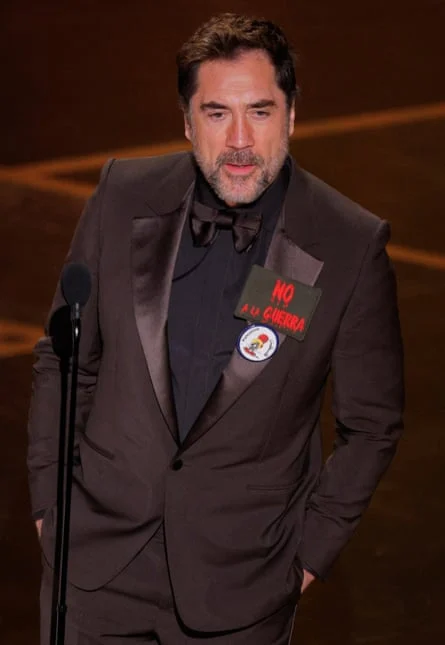
The 96th Academy Awards, held last Sunday night, transcended its traditional role as a mere celebration of cinematic achievement, emerging as a pivotal moment in men’s fashion, particularly for the burgeoning trend of statement brooches and lapel pins. While cinematic narratives unfolded on stage, a parallel story of sartorial expression played out on the red carpet, where Hollywood’s leading men embraced an unprecedented level of personalized bling on their suits, effectively transforming their lapels into canvases for individual statements and high-fashion declarations. This widespread adoption of ornamental pins suggests a significant evolution in male formalwear, challenging conventional notions of masculinity and offering a vibrant new avenue for self-expression.
The 96th Academy Awards: A Lapel Litany
The sheer volume and diversity of brooches on display at the recent Oscars ceremony underscored a definitive shift in men’s red carpet styling. Adrien Brody, known for his distinctive fashion choices, made a particularly bold statement with an astronomically large brooch titled "Ulysses." This intricate piece, arguably as substantial in visual weight as James Joyce’s epic novel is in literary heft, commanded attention, demonstrating how a single accessory can become the focal point of an entire ensemble. Its grandeur evoked a sense of classicism while simultaneously pushing contemporary boundaries of male adornment.
Pedro Pascal, typically recognized for his rugged on-screen persona, presented a notably clean-shaven look, subtly diverting focus from his newly bare chin with an exquisite silk and feather Chanel Camélia brooch. This choice highlighted the versatility of the brooch, serving not only as a decorative element but also as a strategic styling tool. The delicate yet striking nature of the Chanel piece showcased a more refined and perhaps softer approach to masculine accessorizing, contrasting with Brody’s more overt display.
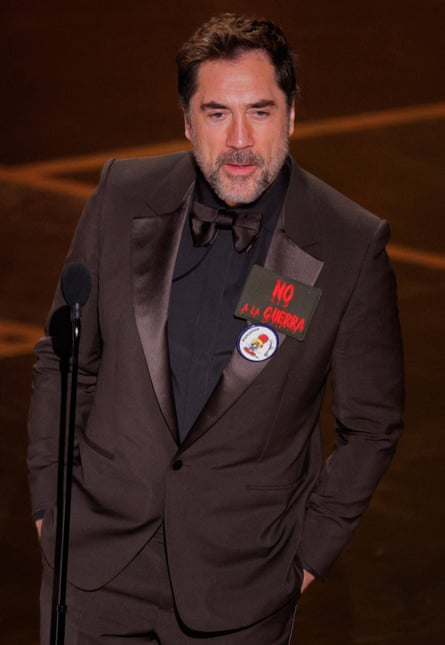
However, beyond mere aesthetics, some lapel pins carried profound social and political messages. Spanish actor Javier Bardem utilized his lapel with remarkable efficacy, sporting a "No a la Guerra" (No to War) badge rendered in striking, dripping blood-red letters. Complementing this direct appeal was a pin depicting Handala, the iconic cartoon boy created by political cartoonist Naji Al Ali, which has become an enduring symbol of Palestinian resistance. Bardem’s choice transformed his formalwear into a powerful platform for advocacy, demonstrating the potential of fashion to convey urgent global concerns to a vast, international audience.
Other notable figures also used their brooches to communicate personal affiliations or causes. Leonardo DiCaprio, a vocal environmental advocate, wore a vintage Boucheron bumblebee pin from 1964. This choice was widely interpreted as a subtle yet potent nod to Re:wild, the conservation group he co-leads, underscoring his dedication to ecological preservation. Similarly, Wagner Moura, recognized for his role in "The Secret Agent," adorned his suit with a custom Andre Lasmar brooch inspired by the Dove of Peace, adding another layer of symbolic meaning to his red carpet appearance. Even after the main ceremony, at the exclusive Vanity Fair after-party, Michael B. Jordan, fresh from his Oscar win for Best Actor, demonstrated the trend’s momentum by sporting not just one, but three distinct brooches on his brown suit, signaling a maximalist approach to this emerging style.
The Rise of the "Bro Brooch": A Broader Awards Season Trend

The profusion of brooches at the Oscars was not an isolated incident but rather the culmination of a broader trend observed throughout the preceding awards season. From the Golden Globes to the SAG Awards, male celebrities consistently incorporated these decorative pins into their ensembles, signaling a deliberate and widespread adoption by stylists and stars alike. This prevalence prompted observations from industry insiders, including stylist Chad Burton, who, commenting on Instagram, provocatively questioned if the industry had "seen too many bro brooches?"
Burton’s critique, while acknowledging the trend, highlighted a crucial distinction: "Bro brooches seem to have been on every male celebrity stylist’s mood board this year for the red carpet. I’m fully down for some accessorizing but please make it connect with the outfit (i.e., Pedro Pascal’s Chanel flower) rather than just slap on a massive piece of metal for bling’s sake (i.e., the brooch that wore Adam Brody)." His commentary points to a desire for intentionality and coherence in styling, suggesting that while the embrace of brooches is positive, their application should be thoughtful rather than merely a checkbox on a trend list.
Expert Perspectives: History and Contemporary Critique
The current resurgence of men’s brooches, or lapel pins, has been a quiet but steady phenomenon over the past few years, gradually moving from the avant-garde fringes to the mainstream of red-carpet fashion. Historically, however, male adornment with brooches is not a novel concept. Jewellery historian Rachel Church, author of Brooches and Badges, provided crucial historical context in an interview with The Observer in 2023. She explained, "Before the invention of buttons, pins and brooches were essential to hold fabric together. They were often marks of status as well as useful objects." This historical perspective grounds the current trend in a rich tradition, illustrating that while modern buttons made them obsolete for utility, their symbolic and aesthetic value endured for centuries. Church notes that this fashion trend began to decline by the late 19th century, with the latter half of the 20th century seeing most men wear "hardly any jewellery." This historical arc highlights the cyclical nature of fashion and the dramatic shift back towards male embellishment currently underway.
Redefining Masculine Adornment: Industry Insights
While the red carpet serves as a powerful incubator for fashion trends, the increasing visibility of men’s brooches is beginning to resonate beyond Hollywood’s gilded corridors. Hatton Garden-based jewellery designer Lee Renée, whose collection includes whimsical lapel pins in shapes like blue whales, ammonites, pigeons, and pine cones, attests to this growing interest. She observes, "Over the past two years, my men’s jewellery range of lapel pins, tie pins, and cufflinks has grown more and more popular." This anecdotal evidence from a designer specializing in niche yet accessible pieces suggests that the trend is not confined to high-end, bespoke creations for celebrities but is filtering into broader consumer markets.
Renée attributes this rising popularity to a broader cultural shift: "Men are ready to have some fun with their styling now, and want to soften the formality of a suit with a fun piece of jewellery that makes them stand out from the crowd." This statement encapsulates the essence of the trend – a desire for individuality and a departure from the strictures of traditional masculine dress codes. For Renée, the strategic placement of these adornments is key: "Positioning a piece of jewellery on your lapel is the perfect place, as every time you move they sparkle when they catch the light, making sure all eyes are on you." Beyond the visual appeal, she also notes a practical social benefit: "They’re also a great conversation starter if you’re attending a party or event." This aspect underscores the brooch’s dual function as both a personal statement and a social lubricant, facilitating interaction and breaking down formal barriers.
The Cultural & Economic Implications
The widespread adoption of brooches by prominent male figures carries significant cultural and economic implications. Culturally, it signifies a softening of rigid gender norms in fashion. For decades, men’s formalwear, particularly the suit, has been characterized by its uniformity and subtle embellishments, largely limited to watches, cufflinks, and wedding bands. The embrace of brooches introduces a flamboyant and expressive element previously more associated with women’s fashion or niche subcultures. This trend suggests a growing acceptance of men engaging in more decorative and personalized forms of self-expression through clothing and accessories. It challenges the notion that masculinity must be stoic and unadorned, paving the way for a more diverse and inclusive understanding of male style.
Economically, the surge in demand for men’s brooches presents a lucrative opportunity for the jewelry industry. While the market for men’s jewelry has historically been smaller and more conservative than that for women, this trend could unlock new revenue streams and inspire innovation in design. Designers like Lee Renée are already seeing increased interest, and larger luxury brands are likely to follow suit, offering more extensive collections of male-oriented brooches. This could lead to a diversification of offerings, from high-end diamond-encrusted pieces to more accessible, everyday pins, catering to a wider demographic. The "red carpet effect" is well-documented: trends initiated by celebrities often trickle down to mainstream fashion, and the prominent display of brooches at events like the Oscars is likely to stimulate consumer interest and sales.
Looking Ahead: The Future of Male Embellishment
The question remains whether this "bro brooch" phenomenon is a fleeting red carpet fad or a harbinger of a more enduring shift in men’s fashion. Based on historical precedent and current market indicators, it is likely to be the latter. Fashion often evolves in cycles, and the return to more elaborate male adornment aligns with broader trends towards individuality, gender fluidity in style, and a renewed appreciation for craftsmanship and personal storytelling through accessories.
The brooch’s unique ability to convey both aesthetic appeal and symbolic meaning makes it a powerful tool for self-expression. As society continues to value authenticity and personal narrative, accessories that allow for such articulation are likely to gain traction. While the astronomically sized or politically charged brooches seen on the red carpet may not become ubiquitous in everyday wear, the concept of the lapel pin as a refined, personal, and even playful accent to a suit or blazer is poised for continued growth. From business casual to formal events, a thoughtfully chosen brooch can elevate an outfit, spark conversation, and subtly communicate aspects of one’s personality, interests, or values.
The Oscars red carpet of last Sunday night therefore served as more than just a parade of glamorous attire; it was a potent demonstration of fashion’s power to reflect and shape cultural shifts. The sparkling lapels of Hollywood’s leading men were not merely decorative; they were eloquent statements, signaling a new era in masculine style where individuality, symbolism, and a touch of sartorial fun are increasingly taking center stage. The humble brooch, once a relic of a bygone era for men, has definitively returned, poised to redefine the landscape of male accessorizing for years to come.