Ferry Irwandi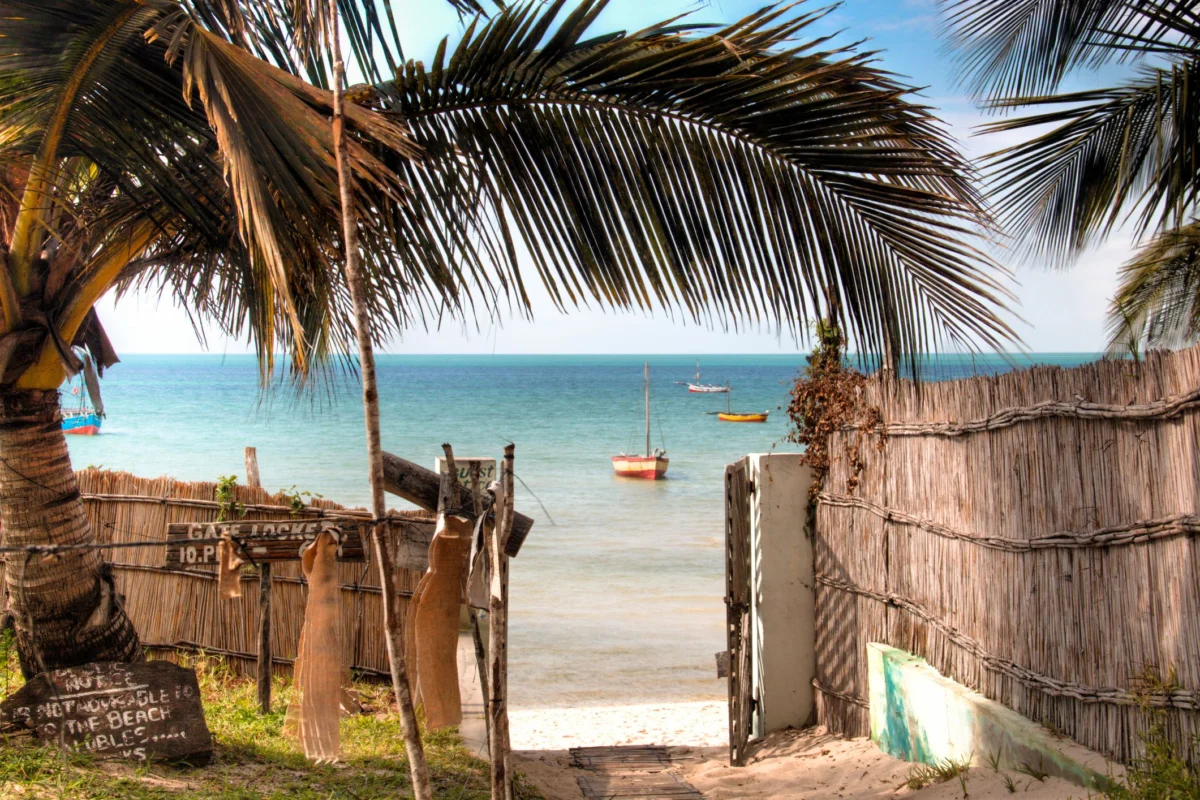
The landscape of tourism in Southern Africa is undergoing a significant transformation as travelers increasingly seek authenticity over isolated luxury. While the Bazaruto Archipelago, a chain of islands off the southeastern coast of Mozambique, has long been celebrated as one of the world’s most pristine coastal regions, attention is shifting toward the mainland town of Vilanculos. Historically regarded merely as a transit hub for the ultra-luxury retreats of Bazaruto and Benguerra islands, Vilanculos is now being recognized as a high-value destination that offers the same ecological splendor as the islands but with greater cultural depth and economic accessibility.
This shift comes as Mozambique secures its position on global "best places to go" lists, driven by a steady increase in international arrivals and a concerted effort by the Mozambican government to diversify its tourism portfolio. The archipelago’s "untouched paradise" label remains a primary draw, yet the mainland provides a strategic alternative for those looking to experience the country’s vibrant coastal life without the prohibitive price tags associated with private island resorts.
The Strategic Importance of Vilanculos
Vilanculos serves as the primary gateway to the Bazaruto Archipelago National Park, Africa’s only coastal marine park. Located in the Inhambane Province, the town is situated approximately 700 kilometers north of the capital, Maputo. Its logistical importance cannot be overstated; it is a 10-minute helicopter transfer or a 20-to-60-minute boat ride from the primary islands, depending on the vessel and destination.
However, the town’s identity is evolving beyond its role as a jumping-off point. It offers miles of white-sand beaches that remain largely uncrowded, characterized by the sight of traditional dhow boats and local fishermen. For the regional economy, the growth of Vilanculos as a standalone destination represents a vital diversification of revenue. While island resorts often operate as self-contained ecosystems, mainland tourism integrates more directly with local businesses, markets, and service providers, creating a more distributed economic impact.
Historical Context and the Evolution of Trade
The coastal identity of Vilanculos is rooted in a millennium of maritime history. Since the 10th century, the Mozambican coast has functioned as a critical node in a vast Indian Ocean trading network. This network linked East Africa with Arabia, Persia, and India. Historically, Arab and Swahili traders utilized the seasonal monsoon winds to navigate dhows—vessels that are still manufactured and used in Vilanculos today—to exchange gold, ivory, and spices for textiles and ceramics.
The indigenous Chopi people, who have inhabited the region for centuries, built a society centered on the sea’s resources. This historical layer adds a dimension of cultural heritage that is often absent in the more secluded, Western-oriented luxury resorts on the neighboring islands. The preservation of these traditional maritime skills and the continued use of dhows for both fishing and tourism serve as a living link to the town’s medieval mercantile past.
Marine Biodiversity and Conservation Efforts
One of the most compelling arguments for the emergence of Vilanculos is its proximity to one of the richest marine ecosystems in the Indian Ocean. The waters between the mainland and the archipelago support the last viable population of dugongs in the western Indian Ocean. These rare marine mammals, often called "sea cows," are a flagship species for regional conservation efforts.

The marine environment features pristine coral reefs that support a diverse array of life, including:
- Seasonal Migrations: Depending on the lunar and seasonal cycles, the area sees significant populations of whale sharks and manta rays.
- Resident Species: Green, hawksbill, and loggerhead turtles are frequently sighted, alongside various species of dolphins.
- Avian Life: The coastal wetlands and shorelines are critical habitats for migratory birds, further enhancing the region’s appeal for eco-tourism.
Conservationists note that the health of this ecosystem is intrinsically tied to the sustainable development of Vilanculos. As tourism grows, the challenge remains to balance visitor numbers with the protection of these sensitive habitats, particularly the seagrass meadows that sustain the dugong population.
Economic Data and Tourism Trends
Mozambique’s tourism sector has shown resilience and growth in the post-pandemic era. According to data from the World Travel & Tourism Council (WTTC), the sector’s contribution to Mozambique’s GDP is projected to grow at an annual rate exceeding 4% over the next decade.
The rise of "middle-luxury" and "authentic-cultural" tourism is a key driver of this growth. While the Bazaruto islands cater to the top 1% of the travel market, Vilanculos appeals to a broader demographic of high-spend travelers who prioritize experiential value. Establishments like the Saudade hotel and various boutique lodges on the mainland provide high-end amenities at a fraction of the cost of island-based competitors. This price disparity—often thousands of dollars per night—is a significant factor in the increasing "tag-on" stays where visitors spend several days on the mainland before or after their island retreat.
Cultural Integration: Markets and Craftsmanship
The cultural heart of the town is the Vilanculos Municipal Market. Unlike the curated experiences found in luxury resorts, the market offers a raw look at the town’s daily life and economic drivers. The trade here is diverse, ranging from fresh seafood brought directly from the dhows to local agricultural products like cassava (mandioca), spices, and wild honey.
A notable aspect of the local economy is the production of capulana fabric. Traditionally worn by Mozambican women as skirts, headscarves, and baby carriers, the fabric has become a symbol of national identity. In Vilanculos, local artisans have adapted these textiles for the tourism market, creating contemporary products such as tablecloths and cushion covers.
Furthermore, the town has seen a rise in artisanal workshops, such as the Shop Gallery Daniel Chivale. These venues display handmade crafts, including woven baskets and wooden figurines, providing a direct revenue stream for local artists. This "creative economy" is a crucial component of the town’s appeal, offering visitors a tangible connection to Mozambican heritage.
The Culinary Landscape: A Fusion of Influences
The gastronomy of Vilanculos is a reflection of its complex history, blending indigenous African ingredients with Portuguese and Arab influences. This "Mozambican-Portuguese fusion" is characterized by the use of bold spices, coconut milk, and fresh seafood.

Key culinary staples include:
- Piri-Piri: A spicy chili-based sauce that is a hallmark of Mozambican cuisine, typically served with grilled chicken or prawns.
- Matapa: A traditional stew made from ground cassava leaves, coconut milk, and peanuts, often enriched with crab or shrimp.
- Fresh Seafood: The abundance of lobster, calamari, and various fish species ensures that the "sea-to-table" philosophy is a standard rather than a luxury.
Establishments like Zita’s Restaurant have gained international recognition not only for their authentic dishes but also for their role in cultural exchange through cooking classes and market tours. By engaging visitors in the preparation of local food, these businesses foster a deeper understanding of the region’s social fabric.
Broader Impact and Future Implications
The emergence of Vilanculos as a primary destination reflects a broader trend in global travel toward "de-sequestration." Travelers are increasingly moving away from "bubble" tourism—where visitors are isolated from the local population—in favor of integrated experiences.
For Mozambique, this trend offers several strategic advantages:
- Economic Resilience: By promoting mainland destinations, the country reduces its reliance on a few high-cost islands, creating a more robust and inclusive tourism economy.
- Job Creation: Mainland tourism requires a broader range of services, from tour guides and drivers to market vendors and artisans, leading to higher employment rates in the Inhambane province.
- Infrastructure Development: Increased interest in Vilanculos necessitates improvements in local infrastructure, including roads, healthcare, and waste management, which benefits the local population as well as tourists.
However, stakeholders warn that rapid development must be managed with care. The "tourist-free" feel that currently defines Vilanculos is a fragile asset. Over-development could lead to the same environmental and social pressures seen in more established African coastal hubs like Zanzibar or parts of the Kenyan coast.
Conclusion
Vilanculos stands at a pivotal moment in its development. No longer just a shadow of the Bazaruto Archipelago, it has established itself as a destination of substance, offering a unique combination of historical depth, ecological importance, and cultural vibrancy. As Mozambique continues to rise in the rankings of global travel destinations, the mainland’s ability to provide an authentic, affordable, and high-quality experience will likely make it a cornerstone of the country’s tourism strategy for years to come. For the modern traveler, Vilanculos represents the "new frontier" of African coastal travel—one where the luxury of the experience is defined by its connection to the land and its people.