
 Danny Garick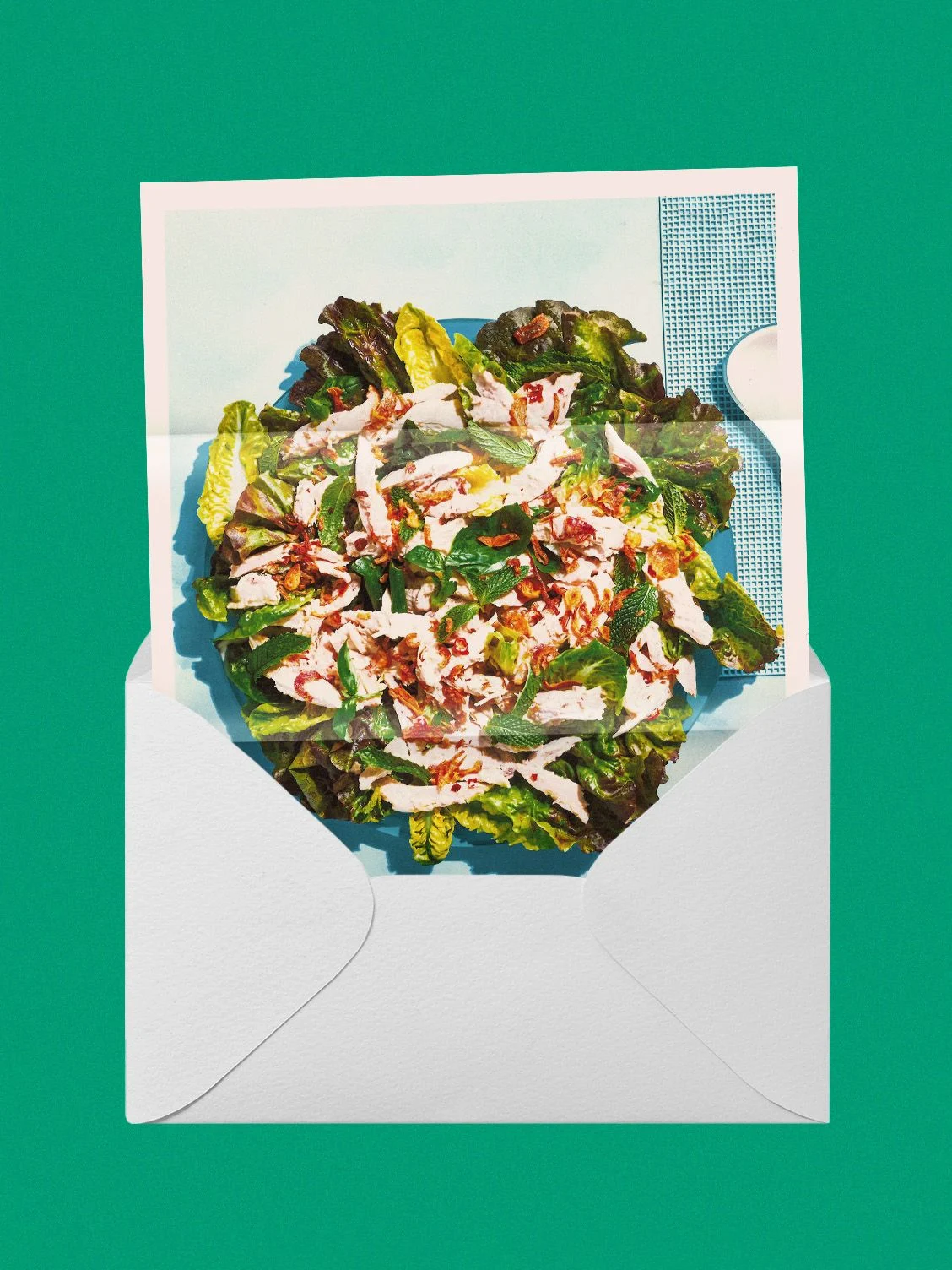
The widespread shift from remote work to mandatory in-office policies has fundamentally altered the daily routines of the modern workforce, with one of the most immediate financial impacts manifesting in the midday meal. As major corporations across the United States have moved to finalize return-to-office (RTO) mandates, requiring employees to be physically present three to four days per week, the reliance on purchased lunches has emerged as a significant strain on household budgets. Data from the Bureau of Labor Statistics indicates that the Consumer Price Index for food away from home has seen a steady upward trajectory over the past three years, outpacing the cost of groceries. For the average worker, the transition from home-based meal preparation to daily restaurant or cafeteria purchases represents an estimated annual expenditure increase of $2,500 to $4,000.
The Chronology of the Remote-to-Office Transition
The current landscape follows a multi-year evolution of workplace policy. Between 2020 and 2022, the mass adoption of remote work fostered a culture of home-based meal preparation, where the convenience of a residential kitchen allowed for high-quality, cost-effective nutrition. By late 2023, however, the corporate tide began to shift. Financial institutions and technology firms led the charge in enforcing "hybrid-plus" schedules. By the first quarter of 2024, an estimated 60% of Fortune 500 companies had implemented strict attendance requirements.
This transition period has created a logistical vacuum for many employees. Having spent years refining remote work-life balance, the sudden obligation to commute and coordinate daily logistics has left many workers struggling to re-establish the habit of meal prepping. The resulting "convenience tax"—the premium paid for prepared food near corporate hubs—has become a frequent point of frustration for employees navigating the logistical demands of a four-day office week.
Financial Implications and Consumer Trends
Economic analysts observe that the move back to the office has effectively re-introduced a "commuter cost" that had been largely mitigated during the pandemic. Beyond transportation, the lunch hour has become a significant variable in disposable income calculations. With inflation affecting the hospitality sector, the cost of a typical fast-casual lunch in major metropolitan areas now averages between $15 and $22. If an employee purchases lunch four days a week, the monthly cost can exceed $300, a figure that is increasingly difficult to justify amidst broader inflationary pressures on housing and energy.

"The financial friction of returning to the office is often underestimated by management," notes workplace consultant Dr. Elena Rossi. "When you factor in the commute, the wardrobe maintenance, and the loss of access to home-prepared meals, employees are effectively taking a pay cut to be in the office. Smart meal planning is no longer just a lifestyle choice; it is an essential component of financial management for the modern hybrid worker."
Strategies for Sustainable Office Nutrition
To mitigate these costs, culinary professionals and efficiency experts suggest a shift toward "low-friction" food preparation. The objective is to maximize the utility of store-bought components while minimizing the time commitment required on Sunday evenings.
The Utilization of Shelf-Stable and Prepared Staples
The most effective strategy for the time-constrained commuter involves utilizing high-protein, shelf-stable ingredients. Canned legumes, such as chickpeas or lentils, serve as a foundational element for quick-assembly lunches. These items can be stored in an office desk, providing a reliable safety net for days when home preparation is impossible. When paired with readily available produce, these pantry staples offer a high-protein alternative to restaurant dining at a fraction of the cost.
High-Efficiency Meal Assembly
The "component-based" approach to meal prep has gained traction as a professional standard. Instead of preparing full, multi-course meals, workers are encouraged to prepare individual elements—such as pre-boiled eggs, roasted proteins, or a variety of vinaigrettes—that can be combined in different ways throughout the week.
For instance, a single batch of shredded rotisserie chicken can be transformed into a variety of profiles:
.jpg)
- Curried Chicken Salad: Combined with Greek yogurt and curry powder for a high-protein, fiber-rich lunch.
- Nuoc Cham Style: Tossed with fresh herbs, fish sauce, and lime juice for a lighter, acidic profile.
- Standard Poultry Wrap: Utilized as a base for wraps using whole-grain tortillas or lettuce cups, which maintain better texture than bread during a commute.
Salad Architecture and Storage
The primary deterrent to packing fresh salads is the tendency for ingredients to wilt or become unpalatable by midday. Culinary experts recommend a vertical storage technique: placing dense, moisture-resistant ingredients (like beans, roasted sweet potatoes, or cooked lentils) at the bottom of a container, with delicate greens stored at the top. Keeping dressings in a separate, small vessel until the moment of consumption is the standard recommendation for ensuring the integrity of the meal.
Broader Impact on Workforce Productivity
The implications of this shift extend beyond the individual’s wallet. Workplace productivity is often tied to the quality of an employee’s break period. The "lunch hour" serves as a critical cognitive reset. When employees are forced to spend their limited break time waiting in long lines at local restaurants or struggling to find affordable options, the restorative value of that break is diminished.
Corporate wellness programs are beginning to take note. Some companies have begun subsidizing on-site cafeterias or providing cold-storage facilities and high-quality breakroom equipment—such as commercial-grade microwaves and refrigerators—to encourage employees to bring their own meals. This is being framed as an "employee experience" initiative, acknowledging that the office must provide at least as much convenience as the home office did to be viewed as a sustainable working environment.
Expert Advice for the Modern Commuter
For those struggling to reclaim their lunch-prep groove, the consensus among experts is to start with the "low-effort" threshold. Attempting to prepare elaborate, multi-step recipes is a primary cause of burnout for the returning office worker. Instead, focus on:
- Bulk Purchasing: Buying protein sources like shredded chicken or canned chickpeas in bulk reduces the frequency of shopping trips.
- The "Assembly" Mindset: Focus on putting things together rather than "cooking." A salad of pre-washed greens, canned lentils, and a store-bought vinaigrette takes less than three minutes to assemble.
- Cross-Utilization: Ensure that dinner leftovers are intentionally prepared in quantities that allow for a second meal the following day. This practice, often called "planned-overs," eliminates the need for a dedicated "lunch prep" session entirely.
As organizations continue to calibrate their office attendance policies, the conversation regarding employee support must include the logistical realities of the workday. By adopting more efficient, budget-conscious, and nutrient-dense strategies for lunch, employees can regain control over their time and their finances, effectively bridging the gap between the flexibility of remote work and the requirements of the physical office. While the transition remains challenging, the evolution of "commuter-ready" meal prep is proving to be a viable, long-term solution for the modern professional.









