Ronny Sianturi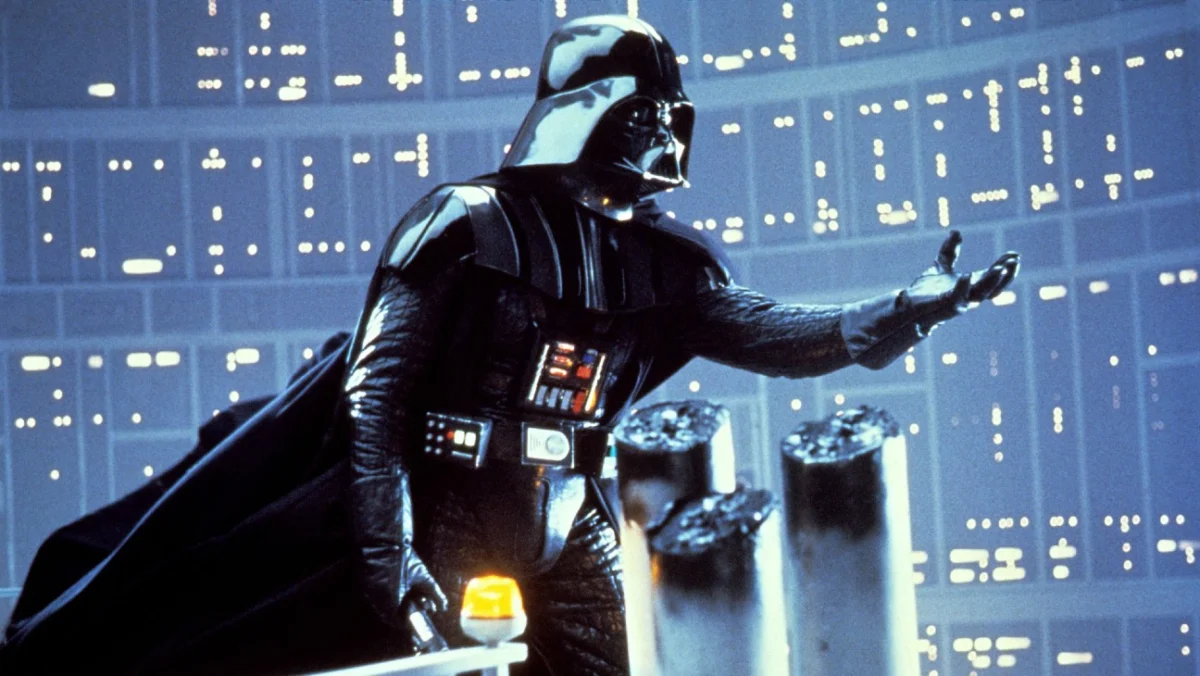
The market for rare cinematic memorabilia is once again turning its focus toward a galaxy far, far away, as one of the most iconic weapons in science-fiction history prepares to cross the auction block. Heritage Auctions has announced that an original Darth Vader lightsaber, prominently featured in the legendary 1980 sequel Star Wars: Episode V – The Empire Strikes Back, will be offered to collectors this coming November. Expected to command at least seven figures, the prop highlights a booming market for high-end movie props, even as other items from the franchise experience widely varying valuations.
The artifact, which was also utilized during the production of 1983’s Star Wars: Episode VI – Return of the Jedi, is slated to anchor the upcoming Ultimate Star Wars Auction scheduled for November 12. As excitement builds within the collecting community, industry insiders are closely monitoring whether the historic piece can challenge or surpass previous benchmark records set by other iconic weapons wielded by the Skywalker family.
Main Facts and Auction Details
The upcoming Heritage Auctions event represents one of the most significant gatherings of authenticated Star Wars production assets in recent memory. At the center of the catalog is Darth Vader’s primary dueling lightsaber from the original trilogy. This specific prop was used by stunt performers and actors during the dramatic, defining confrontation between Vader and his son, Luke Skywalker, inside the bowels of Cloud City—a cinematic climax that famously introduced one of the most shocking narrative twists in film history.
According to preliminary estimates provided by auction house specialists, the Vader lightsaber carries a pre-sale conservative valuation starting at $1 million. However, given the aggressive bidding trends seen in recent high-profile entertainment memorabilia auctions, experts anticipate the final hammer price could climb significantly higher.
The auction will not be limited to Vader’s weapon. Heritage Auctions has curated a diverse catalog featuring approximately two dozen additional lightsaber props spanning various eras of the franchise. Yet, a stark economic divide exists within the collection, as props from the prequel trilogy are projected to command a fraction of the cost associated with original trilogy artifacts.
Chronology of Star Wars Prop Valuations
To understand the immense financial stakes surrounding the upcoming sale, industry analysts look back at a growing history of record-breaking transactions for Star Wars artifacts. For decades, original trilogy props were safely held in private collections, museums, or retained by crew members, but their entry into the public open market has triggered aggressive competition among high-net-worth collectors and institutional investors.
In recent years, the market has matured dramatically, establishing clear pricing hierarchies based on screen time, provenance, and character significance:
- 1977–1983 (The Original Trilogy): Items originating from A New Hope, The Empire Strikes Back, and Return of the Jedi consistently command the highest premiums. For instance, Han Solo’s iconic DL-44 blaster from the original 1977 film fetched approximately $1 million when it was sold at public auction.
- 2023 (Miniatures and Droids): The valuation ceiling expanded further when a rare, screen-used miniature model of Red Leader’s X-wing fighter sold for $3.1 million. Around the same period, a fully operational, screen-used R2-D2 droid unit achieved an astonishing $2.8 million.
- July 2024 (The Luke Skywalker Benchmark): The current benchmark for any Star Wars prop was established earlier this year when the original hero lightsaber used by Mark Hamill in The Empire Strikes Back sold for a staggering $3.75 million. Notably, that specific lot carried historical enhancements, including being sold alongside the prosthetic severed hand prop used in the film’s climactic duel.
- Late 2023 (Previous Vader Sale): Demonstrating the consistent demand for the Dark Lord of the Sith, a distinct screen-used Darth Vader lightsaber from The Empire Strikes Back successfully crossed the block for $3.6 million.
Supporting Data and the Prequel Trilogy "Bargain"
While original trilogy artifacts frequently shatter multi-million-dollar records, items from subsequent cinematic chapters tell a completely different financial story. Heritage Auctions’ upcoming catalog illustrates a vast valuation gap between the classic films and the 2000s prequel trilogy.
According to pre-auction estimates, the lightsabers used by Ewan McGregor’s Obi-Wan Kenobi and Hayden Christensen’s Anakin Skywalker during the dramatic climactic duels of 2005’s Star Wars: Episode III – Revenge of the Sith are expected to open with estimates starting at a modest $10,000 each.
Market analysts point to several factors explaining this disparity. Scarcity remains a primary driver; original trilogy props were manufactured under different logistical constraints using readily available found objects, military surplus pieces, and camera flashgun casings, making authentic surviving pieces exceptionally rare. Conversely, the transition toward digital filmmaking techniques and broader physical manufacturing processes during the production of the prequel trilogy resulted in a higher volume of replica and backup props entering circulation, altering their perceived long-term investment rarity.
Broader Impact and Market Implications
The impending sale of Darth Vader’s lightsaber serves as a barometer for the broader entertainment memorabilia sector. Over the past decade, props and costumes from foundational pop culture franchises have transitioned from niche collector hobbies into recognized asset classes, drawing interest from private equity, dedicated museums, and affluent enthusiasts seeking tangible pieces of cinematic history.
Cultural historians and entertainment economists note that the enduring appeal of characters like Darth Vader transcends generations. As the primary antagonist of a cultural phenomenon that has spanned nearly five decades, Vader represents the pinnacle of cinematic villainy. The price realized by his weapon in November will provide critical insight into whether the high-end memorabilia market can sustain its aggressive upward trajectory, or if valuations are reaching a plateau following a series of historic multi-million-dollar sales.
As the November 12 auction date approaches, international collectors, museum curators, and fans alike await the outcome. Whether Darth Vader’s weapon will successfully dethrone Luke Skywalker’s $3.75 million record remains to be seen, but the event itself underscores the lasting economic and cultural power of George Lucas’s enduring universe.