
 Ana Megawati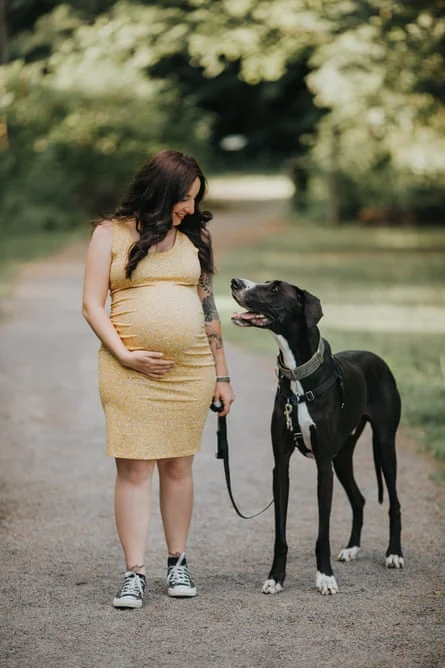
For many animal lovers, the bond with a household pet is as profound as any human relationship. Dogs and cats are frequently integrated into family life as cherished companions, sleeping at the foot of the bed and offering unconditional affection. However, an emerging body of anecdotal evidence and recent data indicates that this deeply rooted human-animal dynamic can undergo a startling and distressing transformation during pregnancy and the postpartum period. For a significant minority of expectant and new mothers, profound affection is abruptly replaced by visceral revulsion, intense irritation, and a deep-seated desire to distance themselves from the animals they once held dearest.
This phenomenon, often categorized clinically as prenatal or postpartum pet aversion, remains largely under-researched within the broader medical and veterinary communities. Despite its prevalence, it is frequently shrouded in silence, leaving affected individuals to navigate a complex mix of guilt, confusion, and shame without adequate institutional support or medical validation.
The Onset of Sensory Overload: Clinical Symptoms and Firsthand Accounts
The manifestations of pet aversion vary widely from person to person, but they are frequently anchored in heightened sensory sensitivity—a well-documented physiological side effect of pregnancy. Hormonal surges, particularly elevated levels of human chorionic gonadotropin (hCG) and estrogen, drastically alter an expectant mother’s sense of smell and taste, frequently triggering intense nausea and generalized disgust.
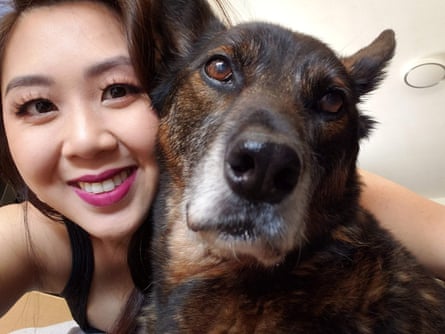
Sylvia Luu, a 35-year-old mother who had shared 12 years of deep companionship with her border collie mix, Ranger, experienced this sudden shift just three weeks into her first pregnancy. Once comforted by her dog’s familiar presence, Luu found herself unable to remain in the same room as the animal without experiencing severe nausea. The smell of Ranger’s fur and the sight of his drool became so repulsive that she resorted to wearing a nose plug throughout the day.
"Before pregnancy, I used to smell my dog’s paws a lot," Luu recalls. "But during pregnancy, I would throw up if I ever tried that."
While Luu’s obstetrician diagnosed her physical symptoms as normal pregnancy-induced nausea and advised increased fluid intake to prevent dehydration, her psychological distress went unaddressed. She describes feeling profoundly heartbroken over her inability to interact with her pet, even contemplating rehoming Ranger before her aversion abruptly vanished following the delivery of her firstborn.
During her second pregnancy, Luu experienced an even more severe manifestation: a diagnosis of hyperemesis gravidarum. This debilitating medical condition, characterized by extreme, persistent nausea and vomiting, affects roughly 1% to 3% of pregnant individuals and is directly linked to intense hormonal shifts that amplify sensory disgust responses.
Statistical Prevalence and the Digital Support Ecosystem
While comprehensive longitudinal studies remain scarce, emerging data suggests that prenatal and postpartum pet aversion is far from an isolated occurrence. A 2025 study conducted by the UK pet insurer ManyPets surveyed 1,077 women who had been pregnant within the preceding three years. The findings revealed that 15% of pet-owning respondents experienced a distinct aversion to their dogs during gestation.
In the absence of formal clinical guidance, expectant and new mothers have increasingly turned to digital forums to articulate their experiences. Online communities, including dedicated threads on platforms like Reddit, feature numerous testimonies from individuals grappling with sudden hostility toward their pets.
"I’m a huge animal lover, but this pregnancy I hate all of them," one user posted. Another admitted, "12 weeks and so disgusted by my dog."

These spaces often serve as a crucial outlet for individuals who feel isolated by their symptoms, providing a platform to share frustrations regarding pet noises, shedding, and routine behaviors that previously went unnoticed.
The Intersection of Women’s Health and Veterinary Science
Experts attribute the lack of formal clinical literature on pet aversion to a systemic convergence of two undervalued fields.
"This topic is at an intersection of women’s health being underfunded and human-animal bond work being trivialised," explains Dr. Katherine Compitus, director of veterinary social work at New York University’s Silver School of Social Work. Compitus has counseled numerous clients navigating the psychological friction of sudden pet aversion.
According to Compitus, perinatal mental health challenges—such as prenatal or postpartum depression, anxiety, and obsessive-compulsive disorder (OCD)—frequently contribute to these intense and confusing feelings. In some cases, a household pet may inadvertently become a safe, albeit distressing, outlet for complex emotional regulation when a mother feels unable to direct her frustrations toward her partner, her newborn, or her changing life circumstances.
Compitus recommends that individuals experiencing distress or disproportionate anger toward their animals seek targeted psychological support. Modalities such as cognitive-behavioral therapy (CBT) and exposure therapy have proven particularly effective in helping patients process unwanted feelings of repulsion and rage.
Postpartum Realities: Burnout, Hygiene, and Family Dynamics
For many families, the psychological strain does not dissipate with childbirth; rather, it can escalate once the infant arrives home. The introduction of a newborn brings significant lifestyle disruptions, sleep deprivation, and heightened vigilance regarding domestic hygiene and infant safety.
Katherine Davidson, a dog trainer based in Montreal, observed a marked increase in her irritation toward her three dogs upon becoming pregnant, specifically noting an intolerance for shedding that had never previously bothered her. When her daughter was born, that aggravation intensified significantly.
"I started feeling resentful of the dogs," Davidson says, noting that the shift came as a profound shock. "Prior, my dogs were my entire life… they were my babies."
Dr. Shelby McDonald, a human-animal interaction researcher and director of the Center for Veterinary Social Work at the University of Tennessee, Knoxville, notes that the postpartum period represents a uniquely vulnerable window for the human-animal bond. New parents frequently encounter logistical and emotional challenges, ranging from concerns over the safety of an infant near an active dog to the relentless sensory demands of barking, nail-clipping, and house-training maintenance.
"A family’s capacity to meet an animal’s needs may change substantially," McDonald states, noting shifts in physical, emotional, practical, and financial resources. McDonald is currently collaborating on an international study with the University of Edinburgh involving in-depth interviews with mothers in the UK to examine companion animal dynamics throughout pregnancy and the postpartum phase.
Preliminary findings from McDonald’s ongoing research indicate that while many mothers report their relationships with their pets gradually rebounding over time, a distinct minority choose to relinquish or rehome their animals during the postpartum period. Crucially, these decisions are frequently driven by a genuine concern for the animal’s welfare and quality of life rather than a permanent loss of affection.
Societal Stigma and the Ethics of Pet Relinquishment
A primary obstacle for parents considering pet relinquishment is the intense societal stigma associated with the decision. Dr. McDonald highlights the "tremendous shame" many mothers internalize when they find themselves unable to provide their pets with the same level of care and attention they offered prior to childbirth.
This guilt is often compounded by internal conflicts regarding maternal identity. Compitus notes that many women internalize the belief that experiencing pet aversion is an indicator of their capability as mothers, prompting internal dialogues such as: "What kind of mother will I be if I can’t even take care of my pet?"
Despite this stigma, experts emphasize that drawing a clear boundary between normal caregiver fatigue and compromised animal welfare is a critical responsibility. Neglect—defined broadly as an animal being denied adequate nutrition, hydration, exercise, a safe environment, veterinary care, or social interaction—requires proactive intervention.
"Recognizing that an animal’s welfare and wellbeing is being compromised and making a thoughtful plan for their care can itself be an act of responsible caregiving," McDonald asserts. "The priority should be the wellbeing and safety of both the person and the animal, rather than preserving a particular living arrangement at all costs."
Practical Mitigation Strategies and Long-Term Outlook
For families navigating temporary pet aversion without resorting to rehoming, proactive management strategies can mitigate household stress. Experts recommend leveraging social support networks—including partners, relatives, or professional pet-sitters—to absorb routine care duties such as walking, feeding, and grooming. Additionally, municipal animal shelters and rescue organizations frequently operate safety-net programs designed to offer temporary foster care or respite options for overwhelmed pet owners.
Davidson, who ultimately chose to keep her dogs after experiencing temporary postpartum estrangement, found that the negative feelings subsided within a few months as her household established a predictable routine. Today, she incorporates her personal experience into her professional practice, counseling clients with growing families that temporary feelings of frustration or detachment are common and frequently transient.
Her practical coping mechanisms now inform her advice to other parents: establishing distinct pet-free zones within the home, utilizing automated cleaning technology to manage shedding, and delegating labor-intensive pet care responsibilities. Now a mother of three children under the age of six, Davidson has since integrated an additional puppy into her household.
"It’s nice having my animals with me," she reflects, "and seeing them grow up with my children."
As clinical awareness expands and researchers like McDonald and Compitus continue to explore the intersections of perinatal mental health and veterinary social work, medical professionals are increasingly urged to validate pet aversion as a legitimate, hormonally influenced physiological response. By destigmatizing these experiences, healthcare providers can offer expectant and new parents the practical tools, emotional validation, and psychological support necessary to safeguard the wellbeing of both human and animal family members alike.









