Layla Zulfa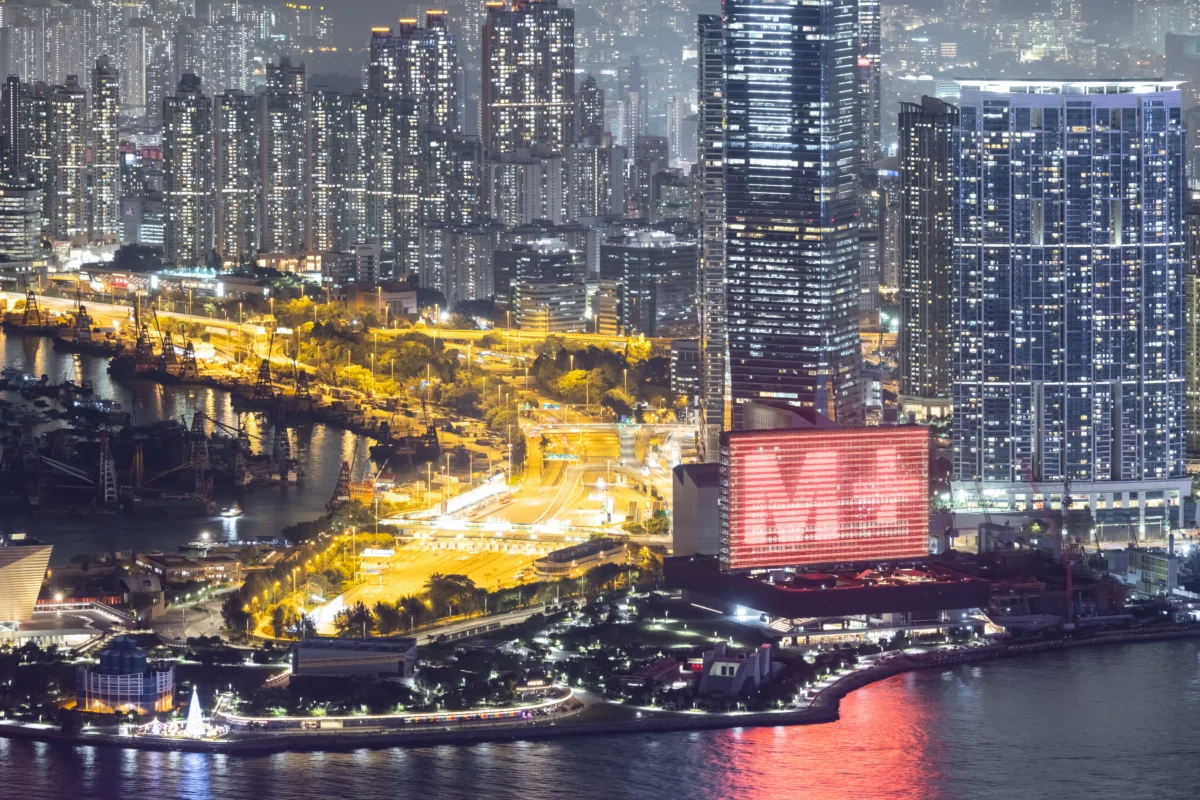
The global perception of Hong Kong as a monochromatic financial engine driven solely by corporate glass towers is undergoing a profound shift. Recent data from the Hong Kong Tourism Board and local cultural agencies confirms a surge in interest toward the city’s creative sectors, fueled by a multi-billion-dollar investment in the West Kowloon Cultural District and a renewed focus on preserving the city’s complex, layered identity. This transformation is not merely aesthetic; it represents a strategic pivot for the territory as it seeks to solidify its position as Asia’s preeminent hub for art, design, and heritage tourism.

A Timeline of Cultural Infrastructure Development
The current renaissance began in earnest with the strategic master planning of the West Kowloon Cultural District (WKCD), a massive 40-hectare project that has fundamentally changed the city’s skyline and cultural geography.

- Late 2021: The M+ museum, a world-class institution dedicated to 20th and 21st-century visual culture, opened to the public. Designed by the Swiss architecture firm Herzog & de Meuron, the building is widely cited as the anchor for the city’s modern art scene.
- 2023–2024: The completion of The Henderson, a Zaha Hadid-designed skyscraper, introduced a new benchmark for high-end commercial architecture. It now serves as the permanent home for the Christie’s Hong Kong headquarters, signaling the city’s continued dominance in the global art auction market.
- 2025 and Beyond: The upcoming unveiling of the WestK Performing Arts Centre (WestK PAC), designed by the internationally acclaimed firm UNStudio, is expected to bridge the gap between traditional performing arts and experimental digital media.
These projects do not exist in a vacuum. They are supported by the continued growth of Art Basel Hong Kong, which, despite economic fluctuations in the global art market, remains the most significant art fair in the region. Satellite events like Art Central and the Edible Art Fair have created a diversified ecosystem that keeps the city relevant throughout the calendar year, not just during peak fair seasons.

The Duality of Urban Fabric
While the international architectural community celebrates these new landmarks, local design experts emphasize that the true character of Hong Kong remains rooted in its "textured" history. Vincent Lim, an interior designer and native of the city, notes that the dichotomy between the "hyper-efficient financial capital" and the "traditional street-level reality" is precisely what drives contemporary design innovation.

Analysis of the city’s urban planning reveals that the most successful contemporary projects in Hong Kong are those that practice adaptive reuse. By integrating modern, sleek architecture with the existing vernacular—such as the colonial-era cha chaan tengs (cafés) and traditional wet markets—developers are finding ways to maintain the city’s soul. Laura Cheung, founder of the luxury furnishings brand Lala Curio, suggests that the "atmospheric alleyways" and vintage neon signage provide a necessary counter-balance to the sterility of new glass-and-steel developments. This synthesis of the "humble and the high-flying" has become a hallmark of the Hong Kong aesthetic.

Curating the Experience: Expert Perspectives
To navigate this multifaceted city, design professionals are increasingly focusing on a curated mix of heritage and modern luxury.

Hospitality and Accommodation Trends
The hospitality sector in Hong Kong has responded to the demand for "residential-style" luxury. The Upper House, designed by André Fu, is frequently cited for its restrained, calm palette that provides a necessary respite from the city’s density. Conversely, institutions like The Peninsula—a bastion of colonial heritage—continue to undergo renovations to remain competitive while retaining the British-Asian fusion that defines their legacy. The recent opening of the Kimpton Tsim Sha Tsui, which explicitly integrates local art and design, marks a new trend in "localized luxury" where international brands seek to showcase indigenous talent within their properties.

The Culinary Landscape as Design
Dining in Hong Kong has transitioned into an extension of the city’s design philosophy. Establishments like Yardbird in Sheung Wan are noted not just for their culinary output but for their contribution to lifestyle branding, including merchandise and interior aesthetics. Similarly, the trend of high-end dining within restored historic sites, such as the restaurants housed within Tai Kwun—the former Central Police Station compound—demonstrates how architecture can dictate the social rhythm of the city.

Economic Implications and Future Growth
The impact of this cultural surge is measurable. According to market analysis from local real estate and commerce boards, neighborhoods undergoing "creative gentrification"—such as Wong Chuk Hang and Ap Lei Chau—have seen significant appreciation in property value and commercial interest. The migration of major art galleries from high-rent central districts to the industrial warehouses of the Southside represents a structural change in how art is consumed and sold in Hong Kong.

Furthermore, the government’s commitment to the West Kowloon Cultural District has served as a catalyst for private investment. For every dollar of public funding allocated to these massive infrastructure projects, there has been a corresponding increase in private hospitality, retail, and office development in the immediate vicinity. This is an economic multiplier effect that the government hopes will sustain the city’s competitiveness against other emerging cultural hubs in the region, such as Singapore and Shanghai.

Navigating the Urban Mosaic
For those seeking to understand the "true" Hong Kong, design insiders recommend a departure from the main tourist arteries. The following districts serve as essential nodes in the city’s evolving creative map:

- Sheung Wan: A critical site for observing the juxtaposition of the ancient and the modern. The area surrounding the Man Mo Temple remains a primary site for architectural contrast, where historic tong lau buildings sit adjacent to contemporary coffee roasters and independent galleries.
- Sham Shui Po: Once considered purely a working-class industrial district, it has become a hotbed for independent design studios and creative start-ups. It is here that the city’s history of textile and hardware production is being reinterpreted by a younger generation of designers.
- The Star Street Precinct: Often described as a "hidden village," this area showcases the evolution of neighborhood-scale urban renewal, offering a pedestrian-friendly experience that is increasingly rare in the high-density urban core.
Preservation vs. Progress
The central challenge for Hong Kong’s design future lies in the tension between rapid development and the preservation of heritage. The success of the Asia Society Hong Kong Center, which successfully repurposed former explosives magazines into a cultural facility, serves as a case study for future development. It is an example of "adaptive reuse" that respects the landscape while serving modern functional needs.

Statements from local architectural firms suggest a consensus: the city must avoid the trap of becoming a generic global metropolis. Instead, the focus should remain on "layering." As architects and designers continue to intervene in the urban fabric, the most significant trend is the move toward "invisibly" integrating new technology and structural systems into older, historically significant sites.

Final Assessment
Hong Kong stands at a crossroads. The physical transformation of the city—evidenced by the skyline-defining M+ museum and the sophisticated urban planning of the West Kowloon district—is only half the story. The other half is the resilience of its street-level culture, which continues to provide the raw material for the city’s creative output. As the city moves toward a future defined by a more mature cultural infrastructure, the interplay between the "hyper-efficient" and the "textured" will remain the primary driver of its international appeal. The ongoing development of the WestK Performing Arts Centre and the continued growth of the gallery scene in the Southside are clear indicators that Hong Kong is not merely recovering from past disruptions, but actively redefining its role as the cultural heartbeat of the region.

Visitors and residents alike are encouraged to look beyond the ground floor. As the city’s leading designers often note, the best of Hong Kong is frequently found by taking the freight lift to the upper levels of unassuming buildings, where the next generation of creative innovation is currently being forged. This vertical, layered approach to urban life is the essence of the city’s design future.