
 Danny Garick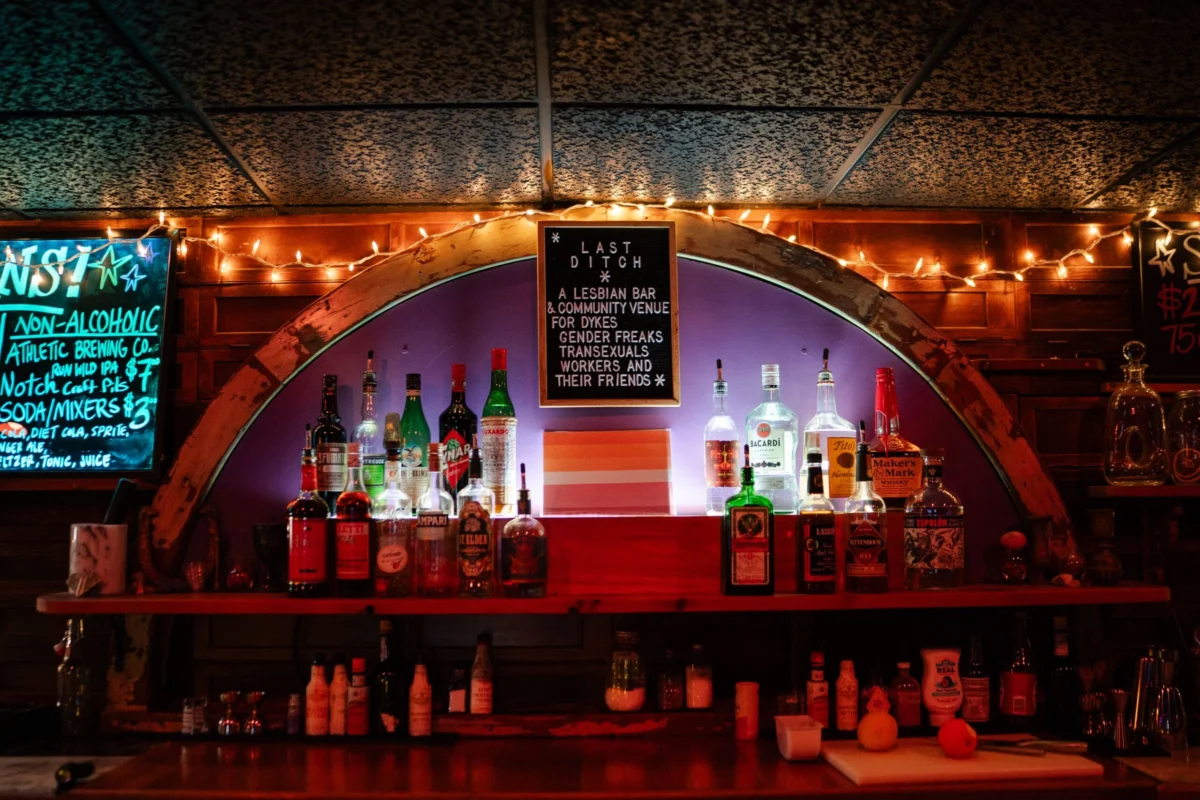
The transition into autumn has brought a distinct cooling of temperatures across the Northeast, providing a backdrop for a week marked by significant developments in labor law, international commerce, and the evolving landscape of cultural and culinary spaces. From a historic legal settlement involving one of the nation’s largest delivery platforms to the geopolitical tensions affecting the spirits industry, the current news cycle reflects the complex intersections of modern commerce and social policy.
The Doordash Settlement: A Landmark for Gig Economy Labor
The delivery sector faced a major reckoning this week as DoorDash reached a record-breaking $131.5 million settlement with New York City officials. The resolution follows an extensive investigation by the Department of Consumer and Worker Protection (DCWP) into the company’s compensation practices. The investigation determined that the platform had failed to provide adequate pay and failed to adhere to municipal regulations governing delivery worker compensation.
The settlement agreement, which was finalized this week, serves as a significant precedent for the gig economy. According to the DCWP, the $131.5 million figure will be distributed as follows: $12.3 million will be directed to workers who were underpaid or received payments past the statutory deadlines; $83 million will be allocated to approximately 264,000 delivery workers who spent time logged into the app awaiting orders; and $16.7 million will be paid to the city in civil penalties.
While the median payout per worker is approximately $48, the financial impact for some individuals is far more substantial. City officials have reported that roughly 700 workers are eligible for payments exceeding $10,000, while over 27,000 workers are expected to receive disbursements of at least $1,000. In an official statement, the company acknowledged the systemic failures, stating, "We screwed up," and pledged to rectify their operational standards to comply with local labor mandates. Mayor Mamdani characterized the outcome as the largest worker-focused settlement in the history of the municipality, signaling a tightening of regulatory oversight regarding the classification and compensation of independent contractors.
Geopolitical Friction in the Spirits Industry
Global trade relations have experienced a notable strain this week as the United States and Canada escalate a dispute over the spirits market. The current conflict traces its origins to the previous year, when Canadian provincial authorities implemented a ban on certain American-produced whiskeys. This move was met with retaliatory measures from the U.S. executive branch, which imposed a 50 percent tariff on Canadian whisky imports.
The situation reached a critical point this week with the White House announcing a near-total ban on Canadian whisky imports, scheduled to take effect early next week. This policy shift has sent ripples through the beverage industry, though a significant loophole remains: whisky imported in bulk and bottled within the United States will remain exempt from both the ban and the associated tariffs. Industry analysts warn that this volatility is characteristic of the ongoing trade war, noting that tariff policies remain subject to rapid adjustment. For businesses, the challenge lies in the uncertainty of supply chains, as even minor shifts in diplomatic relations can result in sudden market disruptions.
Social Dynamics and the Vulnerability of Queer Spaces
Cultural discourse has been dominated by a viral report concerning the closure and internal conflict of "Last Ditch," a lesbian bar and arts venue in Greenfield, Massachusetts. The incident has sparked a broader conversation regarding the sustainability of queer-centric community spaces and the tensions inherent in managing public health policies within private businesses.
The conflict began when the venue’s management announced a transition to mask-optional Saturday nights, departing from a previously strict policy of universal masking. The subsequent backlash was swift and intense, manifesting in digital harassment, threats against the venue, and a public airing of the establishment’s precarious financial position—specifically, the revelation of significant debt. The dispute escalated through a series of mediation sessions and public forums, drawing attention from various media outlets and highlighting the difficulty of balancing competing needs within marginalized communities.
This incident is not an isolated phenomenon. Similar operational failures have plagued other notable queer-centric establishments across the United States. In Philadelphia, the closure of "Mina’s World" followed a period of intense public criticism and internal organizational strain, while in Portland, the short-lived tenure of "Doc Marie’s" serves as another example of a venue struggling to reconcile community expectations with the harsh realities of business viability. Economic data suggests that queer spaces are closing at an accelerated rate nationwide, often exacerbated by rising commercial rents, the post-pandemic economic environment, and the difficulty of navigating diverse community requirements. Experts suggest that the loss of these "third spaces" complicates the ability of queer communities to maintain social cohesion, leading to a recurring cycle of community-led critique and subsequent closure.
Culinary Transitions and Modern Workplace Etiquette
In the culinary sector, media personality and chef Nigella Lawson has officially joined the judging panel for The Great British Baking Show, succeeding Prue Leith. Her entry into the program marks a significant shift in the show’s aesthetic and critical tone. Where the show previously favored a more traditional, pedagogical approach to judging, Lawson’s presence is expected to lean into a more sophisticated, albeit intimidating, style of critique.
Simultaneously, the culinary industry continues to influence broader lifestyle trends, as evidenced by Allison Roman’s recent foray into footwear. Her partnership with Margaux has generated buzz for its design, which has been compared by critics to the utilitarian "Dansko" clogs often favored by professional chefs. The product launch serves as a reminder of the increasing intersection between professional kitchen culture and mainstream fashion.
Finally, a social media-driven debate regarding job interview etiquette has captivated public attention. The discussion, sparked by a viral video, centers on the appropriateness of bringing an iced coffee to a professional interview. While the question may seem trivial, it has catalyzed a wide-ranging dialogue on the evolution of workplace norms. Human resources professionals have noted that while generational shifts have relaxed traditional dress codes and communication styles, the perception of "professionalism" remains subjective. Experts generally advise that candidates prioritize situational awareness, noting that while a beverage may not be a disqualifying factor, it can influence a candidate’s perceived attention to detail and professional readiness in high-stakes environments.
As these diverse events unfold, they underscore a singular theme: the increasing pressure on institutions, businesses, and individuals to navigate a landscape defined by rapid regulatory change, economic instability, and evolving social expectations. Whether through the lens of a $131 million labor settlement or the complex community dynamics of a local bar, the events of this week illustrate the profound impact that institutional decisions—and public reactions—have on the contemporary American landscape.









