
 Danny Garick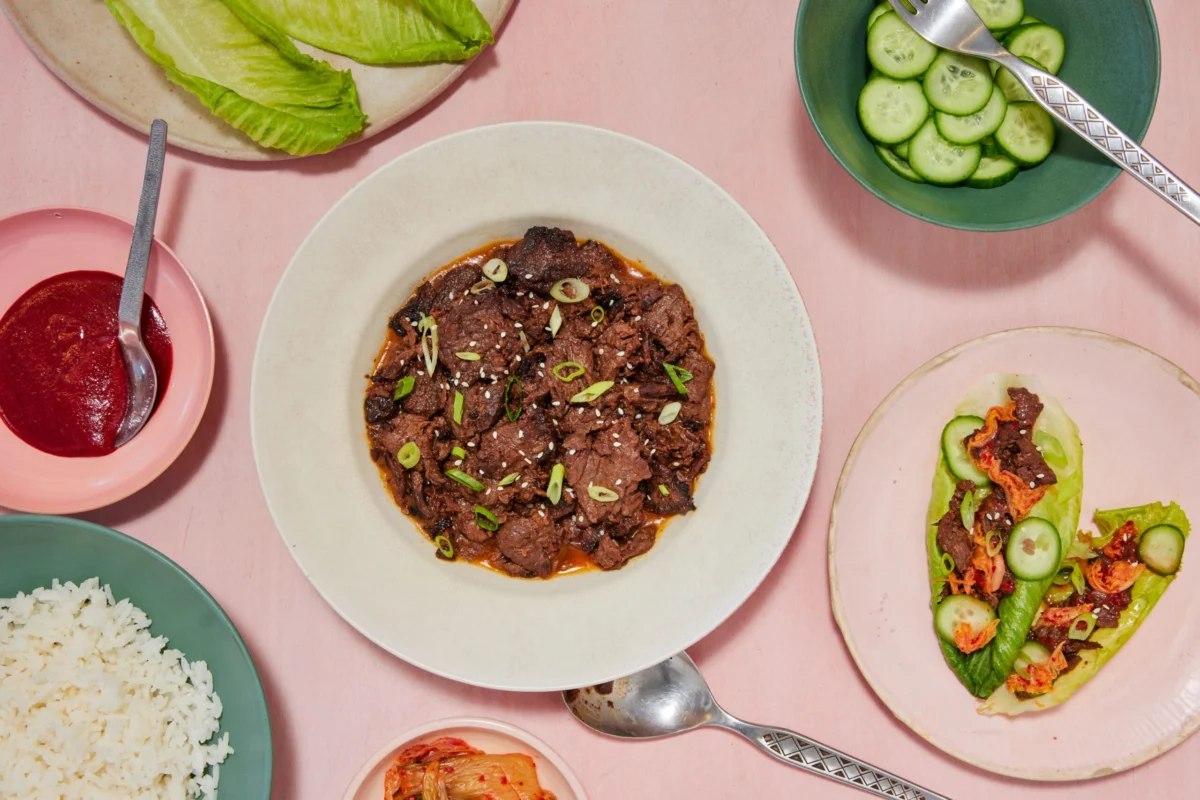
Bulgogi, translated literally as "fire meat," stands as one of the most recognizable and historically significant dishes in Korean culinary tradition. Defined by its signature balance of sweetness, savory depth, and charred, caramelized edges, the dish has transcended its origins as a regional delicacy to become a global staple of Korean barbecue culture. While traditionally prepared over an open charcoal flame to achieve a distinct smokiness, modern culinary techniques have successfully adapted this preparation for the home kitchen, utilizing high-heat stovetop methods to replicate the crisp texture and complex flavor profile that define the dish.
The Historical Evolution of Bulgogi
The origins of bulgogi are rooted in the Goguryeo era (37 BCE–668 CE), where it was known as maekjeok. Historically, the dish consisted of skewered beef seasoned and grilled over an open fire. Over centuries, the preparation evolved through the Joseon Dynasty, where it became associated with the royal court and high-society banquets, eventually transitioning into the pan-fried variant known as neobiani—thinly sliced, marinated beef that paved the way for the contemporary version consumed today.
In the mid-20th century, the proliferation of specialized Korean barbecue restaurants solidified bulgogi’s status as a mass-market favorite. The industrialization of food production and the increased availability of ingredients like soy sauce and refined sugars allowed the dish to become a household staple. Today, the dish is recognized not merely as a meal but as a central component of the Korean social dining experience, emphasizing communal eating and the custom of wrapping meat in fresh, crisp lettuce leaves.
The Science of the Marinade and Meat Selection
The efficacy of bulgogi relies on a chemical synergy between the marinade and the protein. The core components—soy sauce, toasted sesame oil, brown sugar, garlic, and ginger—provide a foundational umami and sweetness. However, the inclusion of grated Asian pear serves a critical functional role. Pears contain the enzyme calpain, which acts as a natural meat tenderizer, breaking down collagen fibers during the marination process. This ensures that even leaner cuts of meat maintain a succulent texture when subjected to high-heat cooking.
For home preparation, the selection of beef is paramount. While hanger steak, boneless short rib, rib eye, top sirloin, flank, and skirt steak are all viable, the key is the thickness of the slice. Culinary experts consistently recommend slicing the beef as thin as 1/8th of an inch. To achieve this consistency, practitioners often place the meat in a freezer for 15 to 20 minutes to firm the tissue, allowing for precision cuts that ensure uniform cooking times. Alternatively, the rise of the Asian grocery market has provided consumers with access to pre-shaved beef specifically intended for Korean barbecue or shabu-shabu, effectively lowering the barrier to entry for home cooks.
Comparative Analysis: Stovetop versus Open Flame
While the traditional method employs a charcoal grill, which imparts a complex, smoky flavor profile via the Maillard reaction—a chemical reaction between amino acids and reducing sugars that gives browned food its distinctive flavor—stovetop preparation offers distinct advantages in domestic environments.
A heavy-bottomed cast-iron skillet or a well-seasoned wok can replicate the necessary high-temperature environment. When the skillet is sufficiently heated, the sugars in the marinade caramelize rapidly, creating the desired charred edges without the need for outdoor equipment. Data from culinary sensory panels suggest that while the charcoal method provides a superior aroma, the stovetop method allows for better control over the "doneness" of the meat, preventing the thin slices from drying out—a common failure point in inexperienced grilling.
Supporting Ingredients and Nutritional Context
Bulgogi is rarely served in isolation. Its nutritional profile is typically balanced by the inclusion of banchan—a variety of small side dishes that accompany a meal. Common accompaniments include steamed white rice, which acts as a neutral canvas for the savory meat, and kimchi, a fermented cabbage dish that provides probiotics and acidity.
The practice of wrapping the cooked meat in lettuce leaves—known as ssam—is more than a culinary preference; it is a nutritional strategy. The lettuce provides hydration and dietary fiber, which mitigates the density of the protein and the salt content of the marinade. Furthermore, condiments like ssamjang, a thick, spicy paste made from doenjang (soybean paste) and gochujang (chili paste), add a layer of complexity that balances the sweetness of the beef.
Addressing Common Culinary Queries
In professional culinary discourse, several questions regarding bulgogi preparation frequently arise.
Can pre-sliced beef be used?
Yes. Shaved beef, commonly sold for shabu-shabu, is an excellent substitute. However, because these slices are exceptionally thin, the cooking time must be reduced to avoid overcooking. It is recommended to keep the heat at maximum and stir-fry in small batches to ensure the meat sears rather than steams in its own juices.
Is grilling strictly necessary?
Grilling is the preferred method for those seeking an authentic charred flavor. When grilling, experts advise cutting the meat into slightly larger, wider strips. This prevents the meat from falling through the grates of the grill, a frequent logistical challenge when dealing with paper-thin slices.
What is the role of gochugaru?
Gochugaru, or Korean red chili flakes, is an optional additive. Traditional beef bulgogi is defined by its sweet and savory profile, but modern variations often incorporate gochugaru to provide a gentle, fruity heat. Its inclusion is entirely subjective and does not alter the fundamental structural integrity of the recipe.
Economic and Cultural Impact
The global popularity of bulgogi is a significant indicator of the "Korean Wave" (Hallyu), which has seen Korean culture—including cinema, music, and cuisine—integrated into mainstream global consciousness. Market analysis indicates a steady rise in the sales of Korean pantry staples, such as gochujang and sesame oil, in Western supermarkets over the last decade. This shift has transitioned bulgogi from a niche ethnic dish to a standard option in modern fast-casual dining and home-cooking rotations.
From a supply chain perspective, the demand for high-quality, thinly sliced beef has prompted many grocery chains to expand their international meat selections. The accessibility of these ingredients reflects a broader trend toward the globalization of home cooking, where once-specialized techniques are now easily accessible through online tutorials and specialized retail channels.
Conclusion
Bulgogi remains a testament to the sophistication of Korean cuisine, proving that even a dish with few ingredients can achieve remarkable complexity through precise preparation and an understanding of chemical interactions. Whether prepared on a backyard grill or a kitchen stovetop, the dish demands attention to detail—specifically in the thinness of the cut and the management of heat. As it continues to integrate into the global culinary lexicon, bulgogi serves as an enduring example of how traditional preparation methods can adapt to contemporary lifestyles without losing their fundamental character. By adhering to the principles of proper marination, correct protein selection, and thoughtful accompaniment, the home cook can replicate the authentic experience of one of Korea’s most storied dishes.









