Layla Zulfa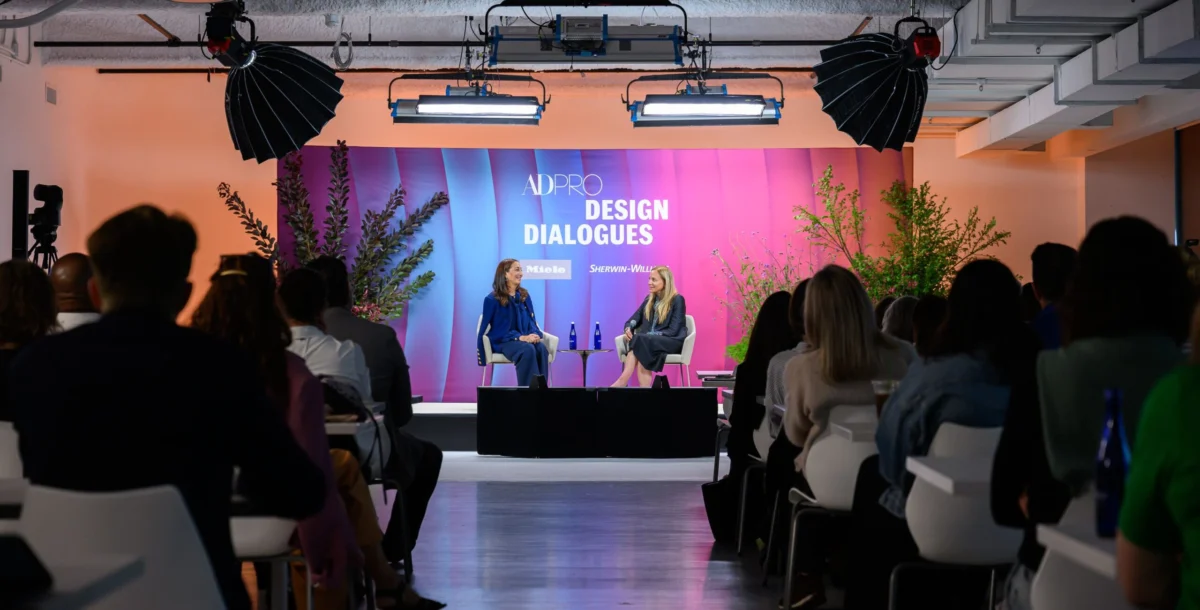
The inaugural AD PRO Design Dialogues summit, held on September 16, served as a pivotal platform for industry leaders to dissect the shifting landscape of high-end interior design. Among the most closely watched participants was San Francisco–based designer Heidi Caillier, an AD100 talent whose trajectory over the past decade has defied traditional industry standards. In a candid conversation with Alison Levasseur, the Global Interiors and Gardens Director at Architectural Digest, Caillier detailed the operational mechanics and creative philosophies that have transformed her boutique firm into a powerhouse of the luxury design sector.
The event, designed to foster knowledge sharing among professionals, highlighted the tension between maintaining a distinct creative identity and scaling a business in an era defined by digital connectivity. Caillier’s participation offered a masterclass in navigating these competing pressures, specifically regarding her firm’s remote-first infrastructure, client management protocols, and the strategic use of social media as a professional development tool.
A Decade of Strategic Growth
Caillier’s career path is unconventional by industry standards. Holding a master’s degree in public health rather than a traditional degree in interior design, she entered the field through the lens of digital storytelling. Her early work as a blogger allowed her to build an audience before she formally established her firm. This background provided her with an intuitive understanding of brand narrative, which she later leveraged to capture the attention of high-profile clients, including a widely publicized commission for a mountain residence belonging to Kendall Jenner.
The timeline of her firm’s growth mirrors the broader industry shift toward decentralized operations. When she first sought to hire staff while based in Seattle, the geographical limitations of her local area proved restrictive. By pivoting to a remote model—a decision made prior to the widespread adoption of such practices during the COVID-19 pandemic—Caillier was able to recruit talent based on merit rather than proximity. Today, her team of six operates entirely remotely, a structure she now cites as a primary competitive advantage. This model allows for specialized support across various time zones and has streamlined the logistics of managing projects that span the United States.
Client Management and the Economics of Exclusivity
A central theme of the summit was the necessity of establishing firm professional boundaries to maintain both creative quality and business sustainability. Caillier, who intentionally limits her firm to managing one project at a time, described her “limited options program” as a vital component of this efficiency.

This approach involves an exhaustive three-month research and discovery phase, during which the firm evaluates the client’s lifestyle requirements, aesthetic preferences, and budget constraints. Rather than presenting a constant stream of incremental updates, Caillier consolidates the entire scope of the project into a single, comprehensive presentation. By providing a unified vision of the home—including architecture, furnishings, and construction requirements—she prevents the stagnation that can occur when design decisions are revisited over an extended period.
This methodology reflects a broader trend in the luxury service industry toward "curated delivery." By minimizing the decision-making fatigue often experienced by clients, designers can maintain the integrity of their initial concept. Furthermore, Caillier’s strict professional boundaries, which include a firm policy against text-messaging clients, are framed as essential for preserving the mental bandwidth required to maintain the high level of detail expected in luxury interior design.
The Digital Engine of Design
Perhaps the most significant factor in Caillier’s rise is her sophisticated approach to social media. With a following approaching half a million on Instagram, she treats the platform not merely as a marketing tool but as a foundational pillar of her business operations. Unlike many firms that outsource social media management, Caillier personally oversees her digital presence.
The data supports the efficacy of this hands-on approach. In the contemporary luxury market, client acquisition is increasingly driven by visual discovery on platforms like Instagram and Pinterest. Caillier’s "golden rules"—a consistent cadence of four to five morning posts per week, real-time engagement in comments, and prompt responses to direct messages—demonstrate an understanding of digital algorithms and the importance of parasocial relationships in building brand trust.
This digital strategy has concrete business implications. By maintaining a constant stream of high-quality content, the firm generates a continuous pipeline of inquiries, allowing Caillier to be highly selective about the projects she accepts. This selectivity is what she describes as "designing the work you want to get back," an iterative process where the quality of one’s portfolio directly dictates the caliber of future commissions.
Scaling Through Strategic Collaboration
The challenge of scaling an interior design firm without sacrificing the "bespoke" nature of the work is a recurring point of debate within the industry. Caillier has chosen to address this through product collaborations, such as her 63-piece collection with Lulu & Georgia, and her upcoming venture into textiles and wallpaper with Elizabeth Eakins.

These collaborations represent a pivot from service-based revenue to a hybrid model that includes product licensing. For designers, this shift provides a mechanism for growth that does not require increasing the headcount of their internal design team. By leveraging the manufacturing and distribution infrastructure of established brands, designers can reach a broader market segment while maintaining the personal touch in their private, full-service projects.
The economic implications of this model are substantial. By diversifying revenue streams, designers insulate their practices from the cyclical nature of luxury real estate and construction. Furthermore, these collections serve as an extension of the designer’s personal brand, reinforcing their identity in the marketplace and providing a tangible point of entry for clients who may not be able to afford full-service design fees.
Implications for the Future of the Profession
The insights shared by Caillier at the AD PRO Design Dialogues summit point to a future where interior design is increasingly defined by the intersection of high-touch service and high-tech efficiency. The industry is moving away from the traditional, local-office model toward a globalized, digital-first approach.
For aspiring designers, the lessons are clear: success requires a dual focus on creative evolution and operational discipline. The ability to articulate a clear design vision, combined with the administrative rigor to manage complex projects remotely, has become a prerequisite for long-term survival.
The industry is also witnessing a shift in the definition of a "design firm." Where once firms were defined by their physical presence in design centers or high-rent districts, they are now defined by their digital footprint and their ability to leverage brand equity across both interior projects and consumer products. As designers like Caillier continue to demonstrate, the most successful firms will be those that can successfully balance the art of the bespoke interior with the science of scalable, digital-first business operations.
As the industry looks toward the next decade, the success of practitioners like Caillier serves as a template for navigating a globalized economy. By remaining intentional about project selection, maintaining strict boundaries to protect creative output, and utilizing digital tools to extend their reach, modern designers are effectively redefining the parameters of the professional practice. The AD PRO Design Dialogues summit, by providing this forum for candid, data-driven discussion, underscores the importance of ongoing professional discourse in an industry currently undergoing a period of rapid and profound transformation.