Danny Garick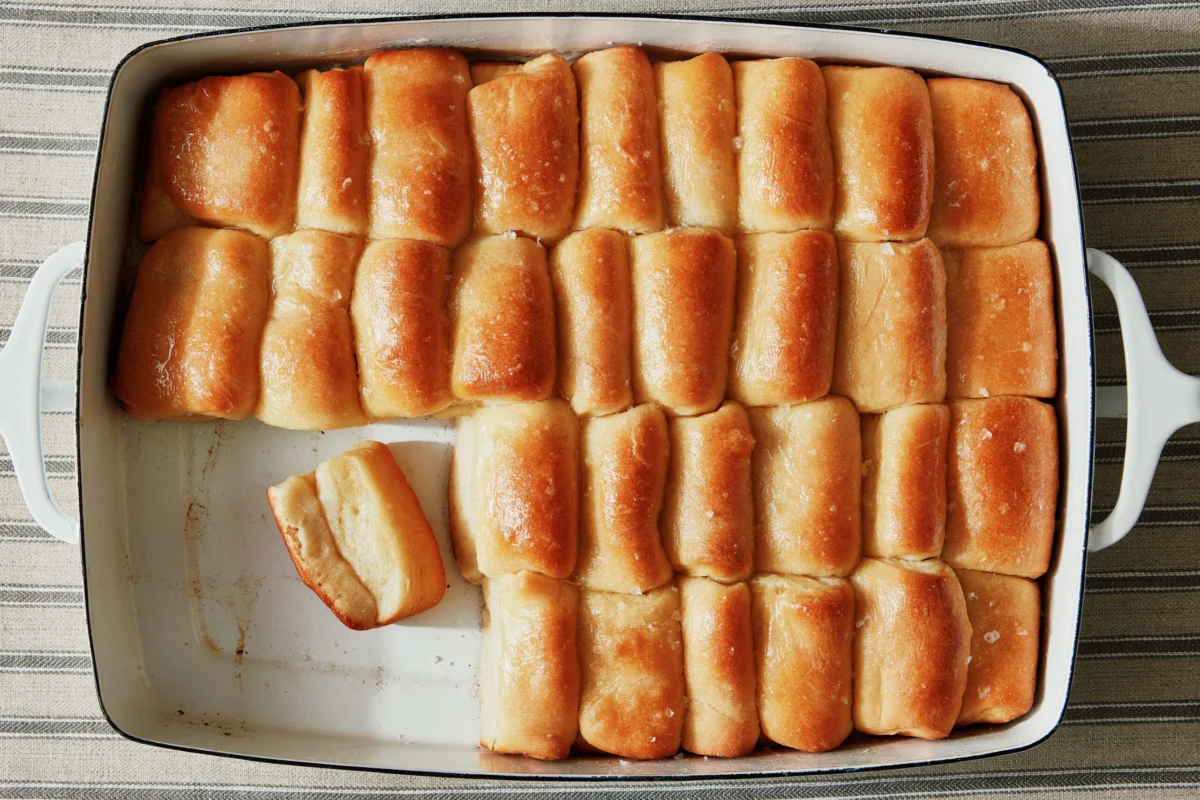
The Parker House roll stands as a cornerstone of American culinary history, representing a distinct transition in 19th-century baking from functional hearth breads to the refined, indulgent rolls that define modern holiday tables. Originating in the mid-1800s at the prestigious Parker House Hotel in Boston, Massachusetts, these yeast-leavened rolls are characterized by their signature "pocketbook" fold, a golden-brown exterior, and an exceptionally airy, buttery interior. As a staple of Thanksgiving, Christmas, and Easter, the roll has maintained its cultural relevance for over 150 years, bridging the gap between historical regional specialties and contemporary home baking standards.
The Origins of a Culinary Icon
The history of the Parker House roll is intrinsically linked to the Parker House Hotel, which opened in 1855 as one of the most sophisticated establishments in Boston. Founded by Harvey D. Parker, the hotel quickly became a hub for the city’s literary, political, and social elite. Historical accounts—though often steeped in culinary folklore—suggest that the roll’s invention was the result of a kitchen accident.
According to long-standing legend, a disgruntled baker at the hotel threw a batch of unfinished dough into the oven in a fit of pique. The result was a roll that was soft on the inside but possessed a unique, blistered, and buttery crust. Whether by design or serendipity, the resulting "pocketbook" shape—created by folding a rectangle of dough over itself—became the hotel’s hallmark. By the late 19th century, the rolls had achieved national fame, cemented by the inclusion of the recipe in early seminal texts like The Fannie Farmer Baking Book. The inclusion of this recipe in such authoritative volumes effectively codified the roll as a standard of American home baking.
Technical Anatomy and Baker’s Methodology
From a technical perspective, the Parker House roll is a triumph of enriched dough chemistry. Unlike lean doughs—which consist primarily of flour, water, salt, and yeast—the Parker House recipe utilizes significant quantities of fat, typically in the form of butter and milk. This enrichment process inhibits gluten development to a degree, resulting in a tender "crumb" rather than the chewy texture of a baguette or sourdough boule.
The defining characteristic of the roll remains the folding process. By brushing the dough with melted butter before folding, the baker creates a structural barrier that prevents the two halves of the dough from fusing completely. This creates a distinct seam that allows the roll to be pulled apart effortlessly, a functional design element that distinguishes it from the standard dinner roll. Modern culinary experts emphasize that the sheen of the roll—a hallmark of quality—is achieved by a final application of butter immediately after the product is removed from the oven.
Chronology of Popularity
- 1855: The Parker House Hotel opens in Boston, setting a new standard for luxury hospitality and catering.
- Late 1800s: The recipe begins to circulate in domestic cookbooks, transitioning from a hotel luxury to a home-kitchen staple.
- 1930s–1950s: The post-Depression and post-war eras see a rise in home baking, with the Parker House roll becoming a centerpiece for holiday gatherings.
- 1980s–Present: The proliferation of home-baking resources, including stand mixers and digital recipe repositories, leads to a resurgence of interest in scratch-made dinner rolls as a reaction against mass-produced, industrial alternatives.
Analytical Perspectives on Modern Baking
In the current culinary climate, the Parker House roll has become a focal point for home bakers seeking to master traditional techniques. Data from baking supply retailers indicates that demand for high-quality, high-protein bread flours spikes by approximately 35% during the November and December holiday windows, a trend closely correlated with the preparation of yeasted breads.
Expert bakers often highlight common failure points in the production of these rolls, providing a diagnostic framework for novices. The most frequent issue—a dense or "heavy" crumb—is typically attributed to one of two variables: excessive flour incorporation or improper fermentation. Modern instructional manuals, including those derived from the Marion Cunningham adaptations of the Fannie Farmer series, now emphasize the "poke test." This method, which involves gently pressing the dough to observe its elasticity, serves as a crucial metric for ensuring the dough has undergone sufficient proofing before entering the oven.
Strategic Planning for the Home Baker
A significant component of the Parker House roll’s enduring popularity is its adaptability to modern, busy schedules. Culinary professionals and food scientists suggest that the dough is uniquely suited for staggered preparation. The dough can be retarded in the refrigerator for up to eight hours, allowing for a slower, more complex fermentation process that enhances the flavor profile of the yeast.
Furthermore, the rolls are highly conducive to partial-baking methods. By removing the rolls from the oven approximately five minutes before they achieve their final golden color, home cooks can complete the baking process just minutes before a meal is served. This capability to "par-bake" mitigates the logistical challenges of managing multiple dishes during large-scale holiday events.
Broader Economic and Cultural Implications
The continued relevance of the Parker House roll reflects a broader cultural shift toward "slow food" and artisanal home practices. While the market for pre-packaged, frozen dinner rolls remains substantial, there is a measurable demographic of home cooks who prioritize the tactile experience of hand-kneading dough. The roll serves as a pedagogical tool; it is frequently cited by professional instructors as an ideal "first project" for those learning the nuances of enriched doughs.
The economic impact is also visible in the publishing sector. The longevity of The Fannie Farmer Baking Book and similar titles is sustained by a consistent interest in foundational baking knowledge. When consumers invest in these texts, they are not merely purchasing a set of instructions; they are participating in a transmission of American domestic heritage.
Troubleshooting and Best Practices
For those navigating the complexities of yeast-based baking, the primary objective is moisture retention. Because the Parker House roll relies on a high butter content, temperature control is paramount. If the butter is too hot during the folding process, it will inhibit the yeast; if it is too cold, the dough will become difficult to manipulate.
Regarding the storage of finished goods, the industry standard for maintaining quality involves careful moisture management. Freezing, while an effective preservation method, requires that the rolls be reheated in a low-temperature environment—typically 300°F (150°C)—often with a light spritz of water to reintroduce surface steam. This prevents the Maillard reaction from over-developing the crust during the warming phase, which would otherwise lead to a bitter, overly dark finish.
Conclusion: The Legacy of the Pocketbook
The Parker House roll remains more than just a menu item; it is a cultural touchstone that signifies the intersection of professional hospitality and domestic comfort. Whether served as the primary accompaniment to a Thanksgiving turkey or repurposed as a breakfast vessel for preserves, the roll’s design remains a testament to the efficacy of 19th-century innovation. As modern home kitchens continue to evolve, the fundamental techniques associated with these rolls—the folding, the brushing, and the patient waiting for the rise—ensure their place in the lexicon of American culinary traditions for generations to come. Through the adherence to precise, time-tested methods, the home baker preserves a link to a past where bread was the centerpiece of the table, defined not by convenience, but by the craft of the hands that shaped it.