Ana Megawati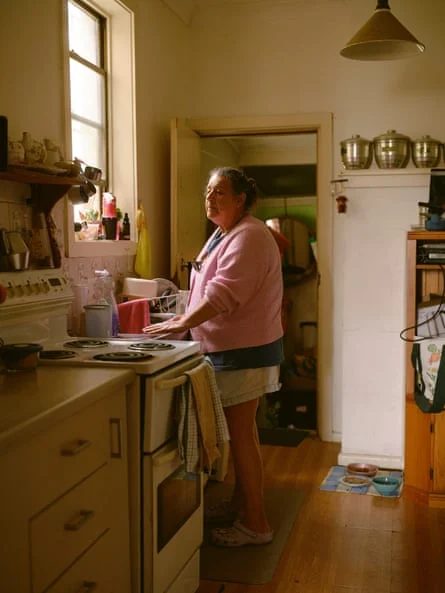
The process of emptying a family home following the passing or relocation of an aging parent has evolved into a complex sociological and emotional phenomenon across Western societies. As the demographic cohort known as the "Silent Generation"—individuals born before 1945—reaches advanced age, families are increasingly confronting the monumental task of processing decades of accumulated possessions. This rite of passage, once considered a private familial duty, is now revealing deep generational divides over material value, environmental sustainability, and the psychology of ownership.
The Magnitude of the Silent Generation’s Estate Liquidation
In recent years, demographic shifts have accelerated the frequency of estate clearances. In Australia, for instance, overall mortality rates have risen by approximately 20% over the past decade, a trend mirrored globally as populations age. The Silent Generation came of age during the post-World War II decades of rising affluence and economic expansion. Having lived through or grown up in the shadow of economic scarcity, this generation developed a distinct relationship with material goods. Possessions were frequently viewed as markers of stability, status, and security, leading to the accumulation of household items, specialized collections, and durable goods designed to last a lifetime.

Today, their adult children—frequently members of the Baby Boomer or Generation X cohorts—are tasked with sorting through houses packed with decades of belongings. Research indicates that women disproportionately shoulder the administrative and emotional burden of managing estate clearances, a process widely described by executors as grueling, wrenching, and overwhelming.
A Case Study in Loss and Logistics
The physical and emotional toll of this process is exemplified by experiences across Australia. Ellen Rogers spent months working alone to clear her late mother’s terrace house in Camperdown, an inner suburb of Sydney. Fay Rogers had lived in the same residence for her entire life, passing away in May at the age of 97. Ellen, who had returned to the property three years prior to act as a live-in carer, faced the immense challenge of categorizing a lifetime of items into piles for family, charity, or disposal.
The logistical reality of such clearances often triggers profound psychological friction. Executors must make rapid decisions regarding objects deeply imbued with personal history, from old correspondence to everyday household items. For Rogers, discarding items such as a coordinated bedroom ensemble purchased after her parents’ 1952 marriage elicited immediate feelings of guilt, a sentiment shared by many who feel that disposing of a parent’s belongings equates to diminishing their life’s footprint.

Similar challenges were documented by other estate administrators, such as an anonymous Sydney resident known as Anne, who coordinated the clearance of her mother’s home alongside her siblings. Navigating differing familial philosophies on waste management and sentimentality added significant stress to an already taxing process. While some family members advocate for rapid disposal via industrial skip bins to expedite the sale of properties, others experience acute anxiety regarding environmental impact, seeking out specialized recycling pathways for items ranging from outdated spectacles to medical X-rays.
Generational Clashes Over Material Worth
At the heart of many estate clearances is a fundamental disconnect between the material values of the Silent Generation and those of younger demographics. The generation that grew up valuing durable goods, fine china, and traditional "brown furniture" often passed these items down with the expectation that they would be cherished. However, younger generations—frequently characterized by more minimalist, mobile, and transient lifestyles—often find little utility or aesthetic appeal in these legacy items.
This mismatch creates a surplus of unwanted goods, placing immense pressure on charitable organizations and second-hand markets. Charities frequently report being overwhelmed by donations of household items that lack modern demand. Furthermore, attempts to pass collections—such as vintage ceramics, specialized books, or decorative vases—to younger family members or community groups frequently result in rejection, leaving executors with few viable options for redistribution.

Psychological Implications and the Weight of Nostalgia
Psychologists and grief counselors note that a family home functions as a physical archive of identity. Objects within the home store layers of nostalgia, representing not only the lived experiences of the parents but also unrealized aspirations and historical eras.
The process of "Swedish death cleaning"—the practice of organizing and decluttering one’s belongings before death to ease the burden on loved ones—has gained popularity as a proactive measure. However, when executed retrospectively by grieving relatives, the process can become fraught with emotional landmines. Interviews with individuals who have managed estate clearances reveal recurring themes of regret over aggressive discarding, contrasted with the paralyzing difficulty of deciding which items retain irreplaceable sentimental value.
For many, certain objects trigger visceral memories that halt the clearing process entirely. Everyday items—such as vintage kitchen casserole dishes associated with specific family meals, or decades-old love letters discovered in unexpected places—serve as powerful conduits of grief. Executors frequently report experiencing a profound sense of responsibility to ensure that their parents’ possessions receive proper acknowledgment, viewing the preservation of select mementoes as a final act of honor.

Broader Economic and Social Impacts
The cumulative impact of these estate liquidations extends beyond individual emotional strain, touching upon housing markets, waste management infrastructure, and charitable sector resources. As millions of homes transition from long-term elderly occupants to the open market, real estate sectors experience waves of supply, particularly in established suburban and inner-city areas.
At the same time, municipal waste services and recycling facilities face increased strain from the volume of discarded materials that cannot be absorbed by the charity sector. Analysts suggest that future generations may need to adopt more formalized estate-planning strategies regarding physical possessions, mirroring the legal frameworks already established for financial assets. Without proactive curation by aging owners, the burden of deciding the fate of a lifetime of accumulated goods will continue to fall heavily on grieving families, transforming the conclusion of a generation’s life into an arduous logistical and emotional trial.