
 Reynand Wu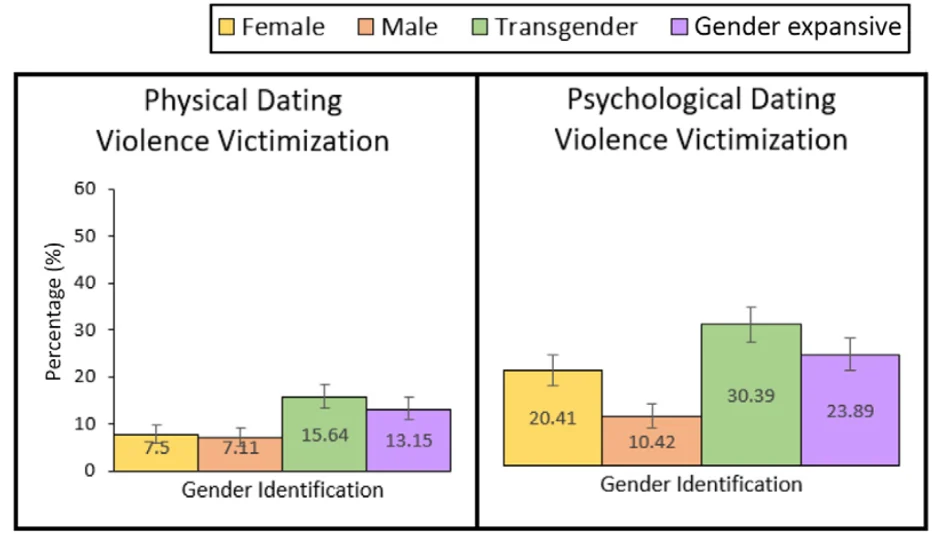
In recent years, sociologists have increasingly turned their attention to the evolving landscape of romantic and sexual relationships, delving into phenomena such as hookup culture and the myriad modern forms of dating. However, a significant gap often persists within these academic discussions: the experiences of transgender individuals are frequently overlooked, and the focus occasionally narrows excessively on college campuses, thereby neglecting the widespread prevalence of dating apps across diverse age groups. This oversight creates a critical blind spot, failing to capture the unique vulnerabilities, challenges, and realities faced by trans people in their pursuit of connection and intimacy.
The imperative to center trans experiences in this discourse is underscored by alarming statistics and qualitative research findings. Transgender youth, for instance, face disproportionately high rates of dating violence. A pivotal 2021 study revealed that trans youth are twice as likely as cisgender women to have experienced physical dating violence and a striking fifty percent more likely to have endured psychological dating violence. These figures highlight a severe disparity, indicating that trans young people are navigating a dating environment fraught with elevated risks and threats to their safety and well-being compared to their cisgender counterparts. The implications of such heightened vulnerability extend far beyond the immediate violent encounter, impacting mental health, trust, and the ability to form healthy relationships in the long term.
The Landscape of Assumptions and Fetishization
Beyond overt violence, the dating experiences of transgender individuals are frequently marred by pervasive societal misunderstandings, fetishization, and prejudicial assumptions. A 2023 study shed light on common experiences, most notably the dehumanizing tendency of being fetishized and the constant burden of confronting others’ preconceived notions about trans people. Participants in the study offered poignant insights into this reality. One trans woman recounted, "Because I’m a trans woman, people instantly assume that I must be this massive bottom." This statement exemplifies how trans identity can be immediately reduced to a sexual role or object, stripping away the individual’s complexity and agency. Similarly, a trans man shared, "I just felt like they weren’t talking to me. They were talking to an idea they had about me." This sentiment encapsulates the profound isolation and frustration that arises when one’s identity is overshadowed by stereotypes and projections, rather than being seen and engaged with authentically.
These experiences of fetishization and mischaracterization are not merely inconvenient; they are deeply damaging, contributing to a sense of alienation and hyper-awareness that can permeate every interaction. The constant need to correct assumptions or to navigate conversations where one’s identity is foregrounded in a problematic way creates emotional labor and can deter individuals from engaging in dating altogether. It underscores a societal failure to understand and respect trans identities, projecting narrow and often sexualized narratives onto an entire group of people.
The Perilous Act of Disclosure in the Digital Age
The advent of dating apps has dramatically reshaped how individuals meet and connect, offering unprecedented reach and convenience. However, for transgender people, these platforms introduce a complex layer of considerations, particularly concerning the disclosure of their trans identity to prospective partners. Research has meticulously examined trans people’s decisions regarding this disclosure, revealing a landscape where safety often dictates transparency.
Most participants in relevant studies proactively and explicitly disclose their identity, driven by profound concerns about potential violence or harm. This calculated decision, while fostering honesty, also places a significant burden on trans individuals, forcing them to weigh the risks of rejection, prejudice, or even physical danger against the desire for genuine connection. One genderfluid participant, residing in a rural area, articulated this ever-present fear when meeting someone face-to-face from a dating app: "that person could be the person that kills me." This stark confession highlights the extreme vulnerability and life-threatening risks that trans people, especially those in less tolerant or isolated communities, must contend with daily.
While explicit disclosure is common, others opt for "softer" disclosure methods. These might involve subtly showcasing different facets of their identity through multiple profile pictures or carefully curated biographical details on apps that allow for such nuance. This approach attempts to offer clues without directly stating their trans identity, hoping to gauge a potential partner’s openness or understanding before a more direct conversation. However, this method carries its own risks, as it can be misinterpreted or lead to feelings of deception if a partner later feels information was withheld. The psychological toll of navigating these disclosure strategies, constantly assessing risk and managing potential reactions, adds another layer of stress to an already complex dating process. The design of dating apps themselves often falls short in supporting safe and affirming disclosure for trans users, lacking robust options for gender identity or clear mechanisms to filter out transphobic interactions, thereby exacerbating the problem.
Intersectionality and Heightened Vulnerability
Within the trans community, vulnerability to dating violence and negative experiences is not uniform; it is profoundly shaped by intersectional identities. Another 2021 study illuminated this reality, finding that BIPOC (Black, Indigenous, and People of Color), queer, and transfeminine people are significantly more likely to have experienced dating violence. This finding underscores how intersecting oppressions—racism, transphobia, homophobia, and misogyny—compound to create heightened risks for individuals who embody multiple marginalized identities.
A subsequent 2022 study specifically investigated the dating experiences of BIPOC trans women, revealing a particularly distressing pattern: their cisgender male partners would frequently conceal their relationships from the public. This act of concealment, driven by internalized transphobia and societal stigma, carries devastating consequences for the trans women involved, including physical violence and profound psychological trauma. One participant powerfully articulated the life-threatening implications: "We getting killed just because of the guys here were scared that they secret would come out." This quote speaks volumes about the deadly intersection of shame, societal pressure, and transphobia that can turn intimate relationships into life-or-death situations for trans women of color.
In response to such pervasive threats, these women often develop sophisticated "survival strategies." These include hypervigilance, a constant state of alertness to potential danger; dressing in specific ways to avoid being "found out" or targeted; and actively avoiding certain men or situations perceived as high-risk. While these strategies are crucial for personal safety, they come at a tremendous cost, limiting freedom, fostering chronic anxiety, and hindering the ability to fully engage in authentic relationships. The necessity of these strategies highlights the systemic failures to protect and affirm trans women, particularly those of color, in their pursuit of love and connection.
Proposed Remedies and the Path Forward
The growing body of social science research not only illuminates these critical issues but also offers actionable remedies to mitigate the problems discussed. These solutions span educational reform, technological improvements, and legal safeguards, all aimed at fostering a safer and more equitable dating landscape for transgender individuals.
First, comprehensive trans-inclusive education is paramount. This education should be integrated into various societal spheres, including school curricula, sex education programs, and violence prevention training. Such inclusive education has been demonstrably shown to increase comfort levels for trans people and their partners, fostering greater understanding, empathy, and respect. It must move beyond simplistic notions of gender and sexuality to provide nuanced information about gender identity, respectful communication, consent, and bystander intervention in situations involving trans individuals. Educating the broader public can dismantle stereotypes, reduce prejudice, and create a more accepting environment where trans people are valued and understood, rather than fetishized or feared.
Second, dating app users, particularly trans individuals, express a strong desire for better filtering options and enhanced safety features. As one person articulated in the 2023 study, "The majority of the interactions I have with cis men on dating apps are just shit, full stop . . . can I have less of them pop up?" This plea highlights the urgent need for app developers to implement more sophisticated tools that allow trans users to filter out unwanted or harmful interactions, specify their preferences more accurately, and report transphobic behavior effectively. Beyond filtering, apps could introduce features like verified profiles to reduce impersonation or malicious intent, offer more inclusive gender identity options, and prioritize algorithms that promote respectful and compatible matches rather than exposing users to constant harassment. Dating app companies have a moral and ethical responsibility to create safer digital spaces for all users, particularly those most vulnerable.
Finally, some study authors strongly recommend the prohibition of "trans panic defenses" in legal systems. A trans panic defense is a legal strategy that attempts to justify violent crimes, including murder, by claiming that the perpetrator experienced a temporary state of insanity or "panic" upon discovering their victim was transgender. This defense, rooted in bigotry and transphobia, essentially blames the victim for the perpetrator’s violent actions. Its prohibition is a critical step towards ensuring justice for trans victims and sending a clear message that violence against transgender individuals, regardless of the perpetrator’s purported reaction to their identity, will not be excused. Several U.S. states have already banned this defense, setting a precedent for other jurisdictions to follow suit and align their legal frameworks with principles of equality and human dignity.
Broader Implications and the Path Ahead
The challenges faced by transgender individuals in dating are not isolated incidents; they are deeply intertwined with broader societal attitudes, systemic discrimination, and the ongoing struggle for trans rights and acceptance. As trans people achieve new levels of visibility in media and public life, they are simultaneously coming under fire in unprecedented ways, facing a surge of anti-trans legislation across the country. This paradox of increased visibility alongside escalating hostility creates an intensely anxious and often perilous environment that inevitably permeates personal interactions, including dating.
The implications of these experiences are far-reaching, impacting the mental health and overall well-being of trans individuals. Chronic anxiety, fear for personal safety, trauma from violence or discrimination, and the emotional burden of constant self-protection can lead to significant psychological distress, including depression, PTSD, and difficulty forming trusting relationships. The societal pressure to conceal one’s identity or to navigate relationships in secrecy further compounds these mental health challenges.
Looking ahead, the social science research clearly demonstrates a collective responsibility to forge a safer and less anxious future for transgender people seeking romantic and sexual partners. This requires a multi-faceted approach involving individual empathy and respect, institutional reform in education and technology, and robust legal protections. By actively challenging transphobia, advocating for inclusive policies, and demanding accountability from platforms and legal systems, society can move towards a future where all individuals, regardless of gender identity, can pursue connection and intimacy free from fear and discrimination. The pursuit of love should be a source of joy and fulfillment, not a constant negotiation of risk and survival.
Leah Long is a history and sociology student at Macalester College who researches and writes about trans history and politics.








