Ronny Sianturi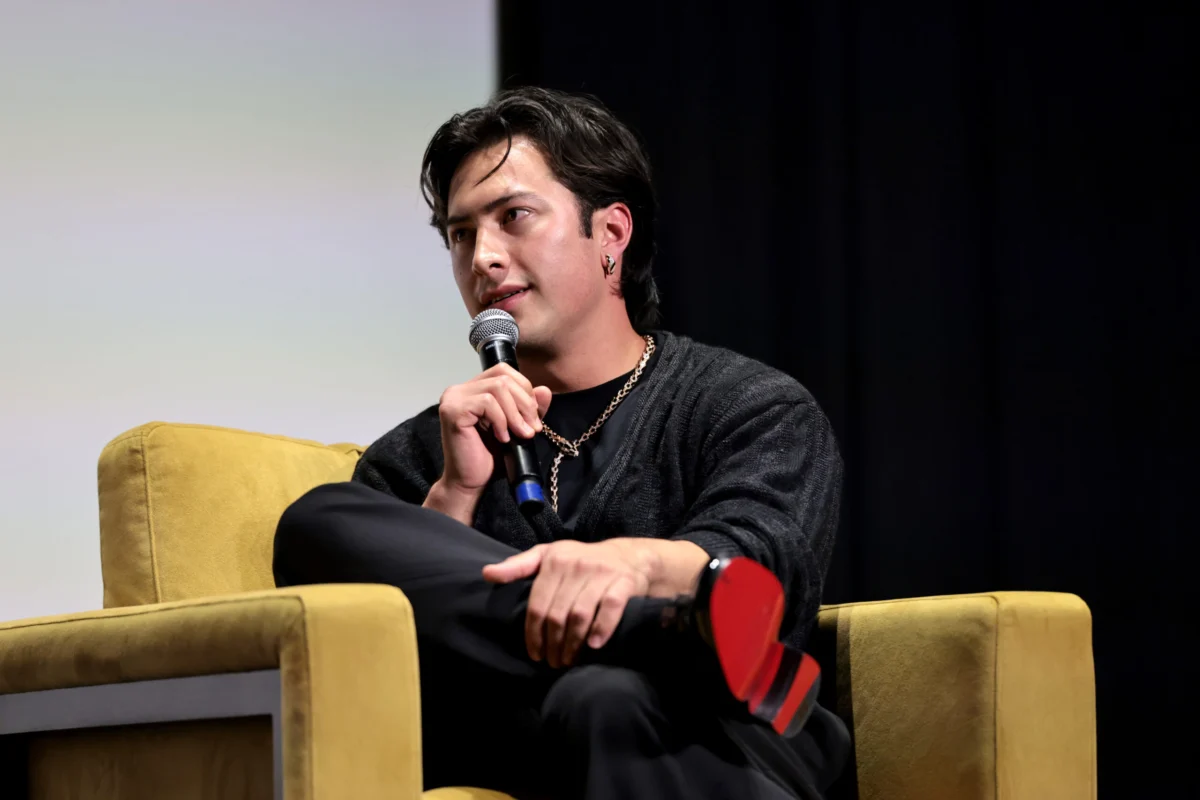
The atmosphere at the Toronto International Film Festival crackled with anticipation as breakout star Hudson Williams took the stage to offer fans a rare, behind-the-scenes glimpse into the highly anticipated second season of the critically acclaimed queer hockey romance drama, Heated Rivalry. Speaking to an enraptured audience, the 26-year-old actor opened up about the psychological hurdles, surreal realizations, and creative triumphs of stepping back into the skates of his beloved character, Shane, alongside co-star Connor Storrie, who portrays his on-screen rival and romantic counterpart, Ilya.
As the hit HBO Max series prepares to return for its sophomore run, the cast and crew find themselves navigating a vastly different landscape than the one they encountered during the quiet, independent production of their first season. With global fandoms, heightened media scrutiny, and massive commercial success now surrounding the project, Williams’ candid revelations provide a fascinating look at the internal pressures faced by actors reprising breakout roles in modern prestige television.
The Surreal Reality of Returning to a Breakout Role
For Williams, the initial days of pre-production and filming for season two were defined by a profound sense of disorientation. Marking the first time in his professional career that he has returned to a character on such a massive scale, the actor admitted that wrapping his head around the transition was no small feat.
"It was surreal to step into it," Williams told the crowd during his festival appearance. Recalling internal moments of self-doubt, he joked about the immediate dynamic between himself and Storrie, mimicking his co-star: "We’re going to be kissing each other, brother. I’m going to be doing my fucking Russian accent to you."
The challenge, according to Williams, was compounded by the blurred lines of memory over the preceding ten months. Rather than simply remembering the physical act of shooting the first season, the actors’ primary reference points had become the finished episodes, the explosive fan reactions across social media, and the sudden cultural phenomenon the show had become. Initially, the duo attempted to combat their anxiety by adopting an attitude of "overconfidence," convincing themselves that they knew their characters—Ilya and Shane—so intrinsically that stepping back onto the set would feel effortless.
However, reality proved slightly more complex once the cameras began to roll. Storrie, who happened to have his first day of filming before Williams, returned from the set with a wave of nervous uncertainty.
"He was like, ‘It was sort of weird. They were all so good that I was like, am I good? Am I in it? Am I doing the thing? Am I doing an impression of Ilya?’" Williams recalled.
Williams initially felt immune to such doubts, maintaining absolute certainty in his preparation. That confidence was swiftly tested on his own first day of shooting, when he encountered a group of enthusiastic background actors who were openly recognized as dedicated fans of the series.
"Then I showed up. I was doing the scene and there was some extras, who were clearly fans, and they’re just so perky," Williams said. "I was like, ‘Oh God. Oh God, am I doing a Shane impression?’"
Maintaining Intimacy Amid Growing Success
Despite the initial jitters, both actors quickly found their footing, largely thanks to the deliberate efforts of showrunner Jacob Tierney and the returning core production crew. Tierney, who received widespread acclaim for rewriting the rules of independent television with the show’s first season, made a concerted effort to preserve the intimate, grounded atmosphere that defined the original production.
Maintaining the same crew from season one played a pivotal role in easing the transition. By keeping the working environment tight-knit and familiar, Tierney ensured that the massive external pressures of the show’s newfound success did not permeate the soundstage. This creative continuity allowed Williams and Storrie to bypass the noise of the industry and refocus entirely on the intricate emotional dynamics of their characters.
Adapting The Long Game: What to Expect in Season Two
Beyond the behind-the-scenes anecdotes, Williams offered substantial narrative teasers for the upcoming episodes. Season two of Heated Rivalry will primarily draw its source material from Rachel Reid’s acclaimed follow-up novel, The Long Game, which continues the tumultuous, decade-spanning romance between professional hockey players Shane Hollander and Ilya Rozanov.
While the first season was widely celebrated as a masterclass in slow-burn tension and romantic yearning, Williams cautioned fans that the upcoming installment will delve into darker, more challenging emotional territory.
"It’s a sad book," Williams revealed to the festival audience. "If season one/book one is the yearning season, book two is external adversity and [relationship] communication problems that feel very real and human."
The shift from internal longing to external conflict introduces complex dramatic stakes for the central couple. As professional athletes navigating public scrutiny, personal ambitions, and the difficulties of maintaining a hidden or semi-public relationship, Shane and Ilya will face hurdles that test the foundational trust they built over the course of season one.
For Williams, exploring these mature narrative arcs presents a unique professional challenge. The actor noted that portraying Shane through periods of intense emotional friction will inevitably spill over into his personal state of mind during production.
"To be able to play those as Shane, [it’s] going to be frustrating and annoying to leave set [when] things are left unsaid, but hopefully it’ll make for really good TV," he reflected.
Background Context and Industry Implications
The phenomenal trajectory of Heated Rivalry represents a major milestone in contemporary television. When the series first debuted on HBO Max as a queer hockey romance drama, it defied conventional programming expectations by proving that niche, character-driven independent storytelling could capture a massive global audience. The show’s success has since been analyzed by media analysts as a watershed moment for LGBTQ+ representation in mainstream sports dramas, shattering outdated industry myths about the commercial viability of queer romance narratives.
The adaptation of Rachel Reid’s literary universe has also sparked broader discussions regarding the translation of romance novels to prestige television. Unlike traditional procedural dramas or high-concept sci-fi series, adaptations within the romance genre rely entirely on emotional authenticity and the palpable chemistry of their leads. The casting and performances of Williams and Storrie have been widely credited by television critics as the primary engine driving the show’s critical acclaim, making the successful execution of season two a high-stakes endeavor for the network and the creative team alike.
Furthermore, the decision to ground season two in the heavier, more introspective themes of The Long Game reflects a maturation of the series. Rather than resting on the commercial laurels of its initial romantic tropes, the production is leaning into the messy, realistic complications of adult relationships. This narrative evolution is expected to broaden the show’s demographic appeal, drawing in viewers who appreciate character studies dealing with systemic pressure, personal sacrifice, and emotional communication.
As production on season two continues under the watchful eye of Jacob Tierney and a fiercely protective fan base, the insights shared by Hudson Williams at the Toronto International Film Festival underscore a cast deeply committed to honoring the source material while pushing their characters into uncharted emotional depths. With the combination of returning creative talent, faithful literary adaptation, and the palpable chemistry between its leads, Heated Rivalry is well-positioned to cement its status as one of the defining television dramas of its era.