Layla Zulfa
The interior design industry is currently undergoing a transformative shift where the technical execution of a space is increasingly viewed as secondary to the management of the client-designer relationship. As part of its ongoing professional development series, AD PRO, the business-centric wing of Architectural Digest, has launched "Grow Your Business Month," a dedicated initiative designed to provide interior designers with the tools, insights, and strategic frameworks necessary to scale their practices in a competitive global market. A cornerstone of this month-long programming is a deep dive into the "art of the client experience," featuring a high-profile conversation between AD PRO Senior Editor Catherine Hong and AD100 designer Jake Arnold.
This virtual event addresses a fundamental truth in the luxury service sector: the success of a project is inextricably linked to the quality of the interpersonal collaboration. In the business of high-end residential design, the client represents the primary stakeholder whose trust serves as the catalyst for creative freedom. When a designer successfully cultivates a solid, collaborative relationship, the operational hurdles of a project—ranging from supply chain delays to budgetary adjustments—become significantly easier to navigate. The objective of the discussion is to dissect how Arnold, a London-bred and Los Angeles-based designer, has mastered this delicate balance to become one of the most sought-after names in the industry.
The Evolution of Jake Arnold and the New Minimalist Standard
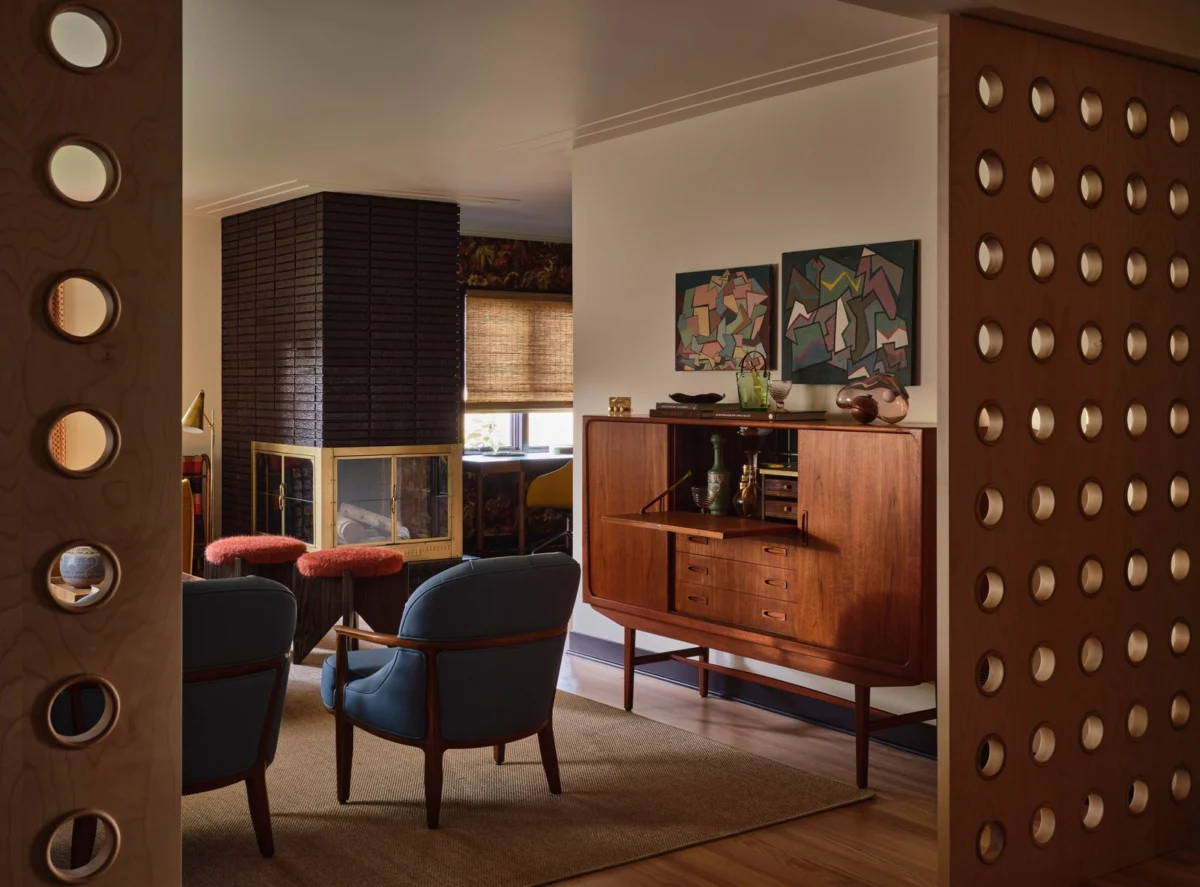
Jake Arnold’s ascent within the design world provides a blueprint for modern brand building. His signature style, often described as a blend of European elegance and California ease, has redefined the "warm minimalist" aesthetic. By moving away from the stark, cold lines often associated with minimalism, Arnold has introduced a tactile, layered approach that prioritizes comfort without sacrificing sophistication. This aesthetic pivot has resonated deeply with a high-profile clientele, including celebrities such as John Legend and Chrissy Teigen, Rashida Jones, and Zendaya.
However, Arnold’s success is not merely a product of his visual style. It is rooted in his strategic approach to the client experience. By positioning himself as a collaborator rather than just a service provider, he has fostered an environment where clients feel relaxed and engaged. This rapport allows his design team to work with higher levels of efficiency, as the friction of second-guessing and micromanagement is replaced by a shared vision. The "art" of this experience lies in the designer’s ability to interpret a client’s lifestyle needs and translate them into a cohesive narrative, a skill that Arnold has leveraged to secure repeat business and expansive brand partnerships.
Contextualizing Grow Your Business Month
The "Grow Your Business Month" initiative by AD PRO comes at a critical juncture for the interior design industry. Following a period of unprecedented growth during the pandemic—where home-related spending surged as individuals reevaluated their living spaces—the industry is now facing a more complex economic landscape. Rising interest rates, fluctuating material costs, and a more discerning consumer base have necessitated a shift toward more robust business practices.
AD PRO’s programming aims to fill the gap between creative education and business acumen. Throughout the month, the platform offers resources on contract negotiation, marketing strategies, and digital presence. The inclusion of Jake Arnold in this series highlights the importance of "soft skills" in business growth. While technical proficiency is a prerequisite, the ability to manage expectations and curate a luxury experience is what allows a firm to transition from a boutique operation to a global brand.
Chronology of Strategic Expansion
To understand the insights Arnold brings to the AD PRO event, one must look at the timeline of his professional expansion. Arnold’s career trajectory is marked by a series of calculated moves that have broadened his influence beyond traditional residential commissions.
- Foundational Years: After relocating from London to Los Angeles, Arnold established a reputation for creating moody, atmospheric interiors that stood in contrast to the bright, white "California Cool" aesthetic dominant at the time.
- The AD100 Recognition: His inclusion in the prestigious AD100 list solidified his status as a top-tier global talent, providing the institutional backing necessary to attract A-list clients and high-value commercial partnerships.
- The Launch of "The Expert": In 2021, Arnold co-founded "The Expert," a digital platform that democratized access to high-end designers via virtual consultations. This venture was a direct response to the changing nature of the client experience, recognizing that many consumers sought professional advice without the commitment of a full-scale renovation.
- Brand Collaborations (2022–Present): Arnold expanded his reach into the product space, launching collections with Crate & Barrel, Lulu and Georgia, Everhem, and Parachute. These collaborations serve as touchpoints for a broader audience to experience his aesthetic, further reinforcing his brand identity.
This timeline illustrates that the "client experience" for Arnold is not limited to one-on-one interactions; it extends to how a client interacts with his brand across various platforms and price points.
Data and Market Analysis: The Value of Client Retention
The focus on the client experience is supported by broader economic data within the professional services sector. According to industry reports, the cost of acquiring a new client in the luxury design space can be five to twenty-five times more expensive than retaining an existing one. Furthermore, a 5% increase in client retention can lead to a profit increase of 25% to 95%.

In the interior design market, which was valued at approximately $150 billion globally in 2023, the "referral economy" remains the most powerful driver of new business. A satisfied client acts as a brand ambassador, providing the social proof necessary to secure high-stakes projects. Arnold’s emphasis on building trust is a pragmatic business strategy; it creates a feedback loop where happy clients lead to more creative freedom, which leads to better portfolios, which in turn attracts more high-value clients.
Moreover, the shift toward "experiential luxury" means that modern clients are looking for more than just a finished product. They are looking for a process that is seamless, transparent, and emotionally resonant. Designers who fail to invest in the client experience often see their projects plagued by delays and disputes, regardless of the quality of their creative work.
Analysis of the Collaborative Relationship
During the AD PRO event, the conversation between Catherine Hong and Jake Arnold is expected to touch upon the psychological aspects of the designer-client dynamic. A successful project requires the designer to act as a part-time therapist, project manager, and creative visionary.
The "freedom to do more creative work," as mentioned in the event’s description, is a direct result of established trust. When a client trusts a designer’s instincts, they are less likely to veto unconventional choices or demand constant revisions. This allows the design team to operate at peak efficiency, focusing their energy on innovation rather than justification. For Arnold, this trust is built through a combination of clear communication, rigorous organization, and a deep understanding of the client’s personal narrative.
Implications for the Future of Interior Design
The AD PRO virtual event and the broader "Grow Your Business Month" signal a professionalization of the interior design industry that mirrors the standards of white-glove law firms or wealth management groups. The "art of the client experience" is becoming a formalized discipline.
As digital tools like "The Expert" continue to gain traction, the traditional boundaries of the designer-client relationship are being redefined. Designers are now expected to be accessible, tech-savvy, and brand-conscious. Arnold’s success suggests that the future of the industry lies in the ability to scale a personal aesthetic into a multi-faceted lifestyle brand while maintaining the intimacy of the client relationship.
Furthermore, the emphasis on a "relaxed and happy" client reflects a shift in luxury consumption patterns. Today’s high-net-worth individuals prioritize time and peace of mind. A designer who can remove the stress of a renovation is providing a service that is just as valuable as the furniture they select. This holistic approach to service is what separates "decorators" from "design partners."
Conclusion and Strategic Outlook
The conversation between Jake Arnold and Catherine Hong serves as a vital case study for professionals looking to navigate the complexities of the modern design market. By focusing on the client experience, designers can insulate their businesses against economic volatility and create a sustainable model for growth.
As part of AD PRO’s commitment to the professional community, this event provides a platform for shared knowledge and industry-wide elevation. The insights garnered from Arnold’s career highlight that while trends in color and material may fade, the value of a trusted partnership remains the ultimate currency in the world of interior design. For the attendees of "Grow Your Business Month," the takeaway is clear: the most important room a designer can build is the one where the client feels heard, understood, and inspired.