
 Reynand Wu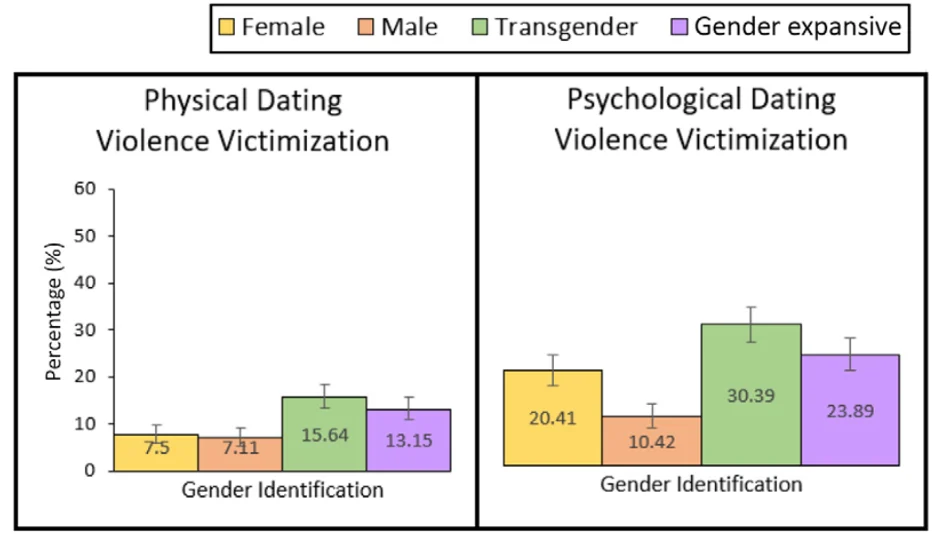
Sociologists have increasingly turned their attention to the evolving landscape of modern dating, encompassing phenomena like hookup culture and the pervasive influence of dating applications. However, a significant gap in this discourse often overlooks the lived experiences of transgender individuals, frequently narrowing its focus to cisgender experiences within college campuses, despite dating apps being ubiquitous across diverse age groups. This oversight is critical, as recent research consistently highlights that trans people face unique and often severe challenges, including disproportionately high rates of violence and discrimination, within the pursuit of romantic and sexual connections.
The vulnerability of transgender youth in dating contexts is starkly illuminated by a 2021 study, which revealed that trans youth are twice as likely as cisgender women to have experienced physical dating violence. Furthermore, they are fifty percent more likely to have endured psychological dating violence, underscoring a pervasive pattern of harm. Building on this, a 2023 study delved into common dating experiences among transgender individuals, identifying fetishization and the constant burden of confronting preconceived assumptions about their identity as prevalent issues. One participant, a trans woman, articulated this frustration, stating, "Because I’m a trans woman, people instantly assume that I must be this massive bottom." A trans man echoed a similar sentiment, remarking, "I just felt like they weren’t talking to me. They were talking to an idea they had about me," illustrating the dehumanizing effect of being reduced to a stereotype rather than recognized as an individual.
The Evolving Digital Dating Landscape and Disclosure Dilemmas
The advent and rapid proliferation of dating apps have dramatically reshaped how individuals meet and connect, offering unprecedented reach but also presenting new complexities, particularly for marginalized communities. For transgender people, the decision of when and how to disclose their trans identity to prospective partners on these platforms is fraught with anxiety and calculation. Research indicates that most participants proactively and explicitly disclose their identity, primarily driven by legitimate concerns about potential violence or rejection. The gravity of these fears is captured by a genderfluid individual living in a rural area, who, when meeting someone face-to-face from a dating app, consistently grappled with the terrifying thought: "that person could be the person that kills me." This profound fear is not unfounded; transgender individuals, particularly trans women of color, face alarmingly high rates of fatal violence.
However, not all disclosures are direct. Some individuals opt for "softer" disclosure methods, strategically showcasing different facets of their identity through multiple profile pictures or nuanced biographical details on apps that allow for such customization. This approach attempts to subtly convey their identity, hoping to filter out incompatible or hostile individuals without explicitly stating their trans status upfront, which some perceive as a defensive measure against immediate judgment or danger. The very need for such careful navigation highlights the inherent insecurity and prejudice embedded within mainstream dating culture.
Intersectionality: Amplified Vulnerabilities within the Trans Community
The experience of dating violence and discrimination is not monolithic within the transgender community; rather, it is significantly shaped by intersecting identities. A 2021 study underscored this, finding that BIPOC (Black, Indigenous, and People of Color), queer, and transfeminine individuals are the most likely to have experienced dating violence. This intersectional vulnerability means that individuals holding multiple marginalized identities face compounded layers of prejudice and risk.
A subsequent 2022 study specifically examined the dating experiences of BIPOC trans women, uncovering a particularly distressing pattern: their cisgender male partners often concealed their relationships from the public. This secrecy, born of societal stigma and fear of exposure, had severe consequences, including physical violence and profound psychological trauma for the trans women involved. One participant chillingly explained, "We getting killed just because of the guys here were scared that they secret would come out," exposing the deadly implications of internalized transphobia and societal pressure on cisgender partners. To cope with these pervasive threats, BIPOC trans women often develop "survival strategies," which include hypervigilance, carefully managing their appearance to avoid being "found out," and actively avoiding certain men or situations perceived as high-risk. These strategies are not choices but necessities in a world that often denies their right to safety and authentic connection.
Historical Context and Broader Societal Implications
The challenges faced by transgender individuals in dating are not isolated incidents but are deeply rooted in broader societal structures, historical prejudice, and a prevailing lack of understanding. For decades, trans identities were pathologized, stigmatized, and largely invisible in mainstream discourse. It was only with the rise of the LGBTQ+ rights movement, and more recently, focused advocacy for trans rights, that their experiences began to gain visibility. However, this increased visibility has also been met with a backlash, manifesting in a surge of anti-trans legislation across the globe and a proliferation of hateful rhetoric, particularly online.
The evolution of dating culture itself, from traditional courtship rituals to the ubiquitous swipe-based apps of today, has occurred against this backdrop of shifting social norms and legal battles. While dating apps offer unprecedented opportunities for connection, they also mirror existing societal biases, often failing to provide adequate protections or inclusive features for transgender users. Many platforms initially offered limited or binary gender options, forcing trans individuals to misgender themselves or choose options that did not accurately reflect their identity, creating barriers to authentic connection from the outset. While some apps have improved, providing more expansive gender identity options, the underlying issues of user behavior, moderation, and systemic transphobia persist.
The concept of intersectionality, first coined by legal scholar Kimberlé Crenshaw in 1989, is crucial for understanding these amplified vulnerabilities. It explains how various social and political identities—such as gender, race, class, and sexual orientation—combine to create unique modes of discrimination and privilege. For BIPOC trans women, for example, the confluence of transphobia, racism, and sexism results in a unique and often more severe form of marginalization within dating and society at large. This framework helps to explain why they are disproportionately affected by violence and why their experiences necessitate targeted solutions.
Proposed Remedies and Calls to Action
The authors of these crucial studies, alongside trans advocates and mental health professionals, propose several multi-faceted remedies to address the systemic problems plaguing transgender individuals’ dating experiences.
-
Comprehensive Trans-Inclusive Education: A primary recommendation is the widespread implementation of trans-inclusive education. This encompasses school curricula, comprehensive sex education programs, and specialized violence prevention training. Such educational initiatives have been shown to foster greater understanding, empathy, and comfort among both transgender individuals and their cisgender partners. By demystifying trans identities, challenging stereotypes, and promoting respectful interaction, education can dismantle prejudice at its roots. This extends beyond formal schooling to public awareness campaigns and media representation that accurately and positively portrays transgender lives.
-
Improved Dating App Functionality and Moderation: Dating app users, particularly transgender individuals, express a strong desire for better filtering options. One participant poignantly stated, "The majority of the interactions I have with cis men on dating apps are just shit, full stop . . . can I have less of them pop up?" This highlights the need for apps to empower users with more granular control over who they encounter, allowing them to filter out individuals who may be transphobic, disrespectful, or simply not a good match. Beyond filtering, dating apps must invest heavily in robust moderation systems that actively identify and remove users engaging in harassment, hate speech, or fetishization. Implementing clearer reporting mechanisms and enforcing stricter community guidelines are paramount to creating safer online environments. Developers should also collaborate with trans advocacy groups to design features that are genuinely inclusive and address the specific safety concerns of their trans users.
-
Prohibition of "Trans Panic Defenses": A critical legal reform proposed is the prohibition of "trans panic defenses." These abhorrent legal strategies allow perpetrators of violent crimes to justify their actions by claiming a temporary loss of control or "panic" upon discovering their victim is transgender. This defense effectively blames the victim for the perpetrator’s violence and has been used to reduce charges or even secure acquittals in cases of assault and murder. As of late 2023, many U.S. states and jurisdictions have banned or are in the process of banning this defense, signaling a growing recognition of its discriminatory and dangerous nature. However, nationwide prohibition and international condemnation remain vital to ensure justice for trans victims and to send a clear message that transphobic violence will not be excused.
Beyond the Studies: Broader Implications and The Path Forward
The findings from these studies carry profound implications for public health, legal policy, and social justice. The pervasive fear of violence and discrimination profoundly impacts the mental health of transgender individuals, contributing to higher rates of anxiety, depression, and PTSD. This constant state of hypervigilance and the trauma of interpersonal violence can impede their ability to form healthy relationships, impacting overall well-being and social integration.
From a policy perspective, the research underscores the urgent need for comprehensive non-discrimination protections for transgender people in housing, employment, healthcare, and public accommodations. Such protections create a more accepting societal environment, which in turn can mitigate the underlying prejudices that fuel violence in dating contexts. Furthermore, law enforcement agencies must receive mandatory training on gender identity and cultural competency to ensure that crimes against transgender individuals are investigated thoroughly and justly, and that victims feel safe reporting incidents.
As transgender people achieve unprecedented levels of visibility in media, politics, and daily life, they are simultaneously facing an alarming surge of legislative attacks and societal backlash. This paradox of increased visibility alongside heightened vulnerability makes the findings of these studies more critical than ever. The research serves as a stark reminder that while progress has been made, the journey towards true equality and safety for transgender individuals, particularly in intimate relationships, is far from over.
Creating a safer and less anxious future for transgender individuals as they navigate the complexities of romantic and sexual partnerships requires a concerted, multi-pronged effort. This includes continued academic research to further understand and document these experiences, proactive policy changes to protect vulnerable populations, corporate responsibility from dating app developers, and widespread societal education to foster empathy and eradicate prejudice. Only through such comprehensive and sustained action can society ensure that the pursuit of connection and love is a safe and joyful experience for all, regardless of gender identity.








