Layla Zulfa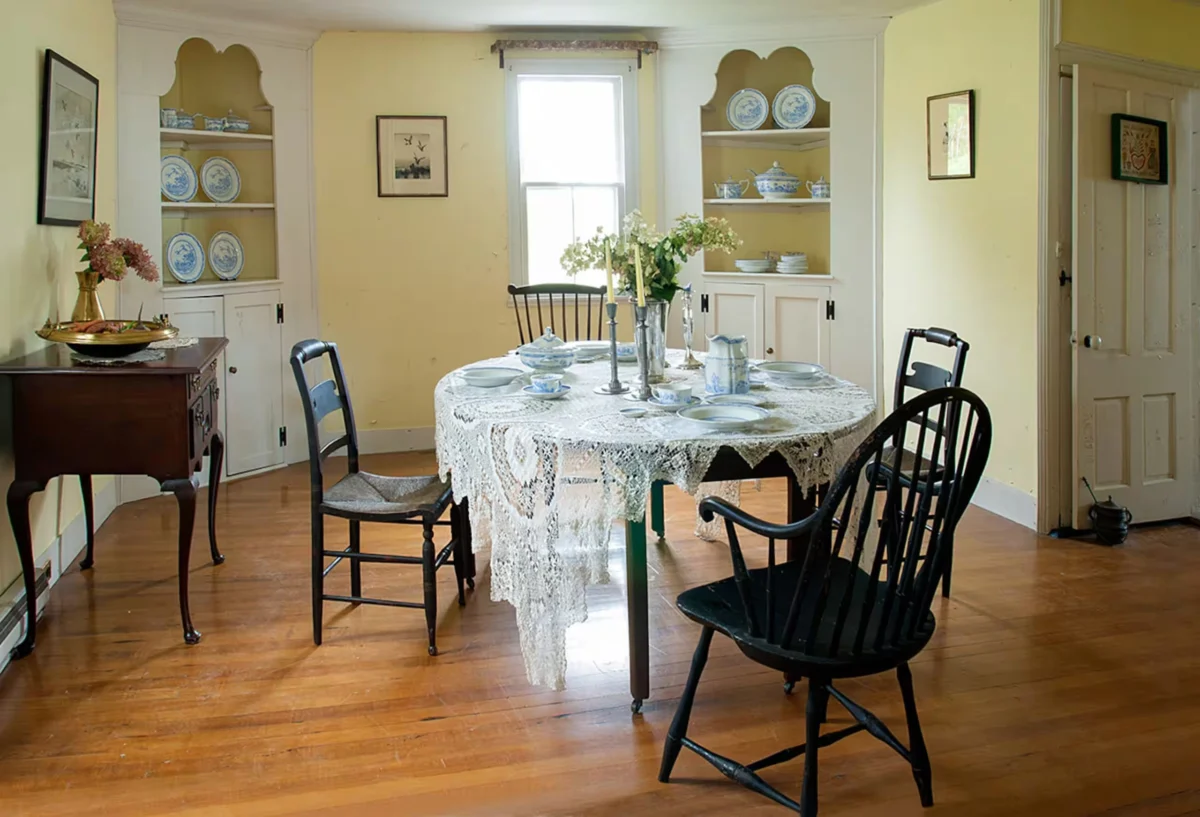
The landscape of Maine’s hospitality sector has undergone a significant transformation over the last decade, transitioning from a market dominated by traditional coastal inns and seasonal motels to one defined by highly curated, design-forward short-term rentals. As the "Pine Tree State" continues to break tourism records—with the Maine Office of Tourism reporting over 15.3 million visitors in 2023—the demand for accommodations that blend historic preservation with modern luxury has reached an all-time high. This evolution is particularly evident in the Airbnb market, where properties now range from 18th-century farmhouses once owned by renowned artists to minimalist industrial conversions.
The appeal of Maine as a destination remains rooted in its diverse geography, offering two distinct experiences: the rugged, granite-lined Atlantic coast and the tranquil, wooded interior. While Acadia National Park remains the state’s primary draw, secondary markets such as the Midcoast, the Sebago Lake region, and the islands of Penobscot Bay have seen a surge in property investments. These stays are no longer merely functional; they are architectural statements that cater to a demographic of travelers seeking "remote work" capabilities without sacrificing aesthetic integrity.
Historical Preservation and Island Seclusion: The North Haven Legacy
A primary example of the intersection between Maine’s history and its modern rental market is the Historic North Haven Farmhouse. Located on one of the most celebrated islands in Penobscot Bay, this 1795 estate represents a significant piece of American art history. The property was once the residence of Frank Benson (1862–1951), a prolific American Realist and Impressionist painter. Benson, a member of "The Ten," a group of American painters who resigned from the Society of American Artists in 1897, drew immense inspiration from the light and landscape of North Haven.
The estate spans 28 acres, including 18 private acres of rolling fields and woods, providing the same vistas that Benson captured in his early 20th-century canvases. Architecturally, the 7-bedroom farmhouse serves as a preservation project, maintaining its late-18th-century silhouette while integrating contemporary amenities required for modern groups. The inclusion of a clay tennis court and a 200-year-old barn highlights the "gentleman farm" lifestyle that has historically characterized summer life for New England’s elite.
North Haven itself remains a bastion of traditional Maine island life, accessible only by ferry from Rockland. The local economy, while bolstered by tourism, remains deeply tied to fishing and small-scale agriculture. For the short-term rental market, properties like the Benson farmhouse represent the high-tier "experiential" segment, where the nightly rate (starting at approximately $1,427) reflects not just the square footage, but the historical pedigree and private shoreline access.
The Evolution of the Maine Farmhouse: Picket Hill and 19th-Century Adaptation
Moving inland from the coast, the architectural narrative shifts toward the agrarian roots of the state. Picket Hill Farm, a secluded farmhouse built circa 1835, exemplifies the adaptation of early 19th-century structures for the 21st-century traveler. While the exterior retains the classic red wood siding and gable-roof architecture typical of the Federal and Greek Revival influences seen in rural Maine, the interior has been retrofitted with high-speed Wi-Fi, climate control, and modern plumbing.
This property highlights a specific trend in the Maine rental market: the "peace and quiet" retreat. Unlike the large-scale coastal estates designed for multi-generational reunions, Picket Hill is configured for smaller groups or individuals seeking solitude. Data from travel analytics firms suggests that "seclusion" and "mountain views" have become top-performing search filters for the Maine region, particularly following the shift toward hybrid work models. The property’s proximity to Pleasant Mountain provides a recreational anchor, demonstrating how inland rentals can compete with seaside cottages by offering lower price points—starting around $302 per night—without compromising on the "Maine aesthetic" of exposed beams and wood-burning stoves.
Industrial Repurposing: The Minimalist Riverside Retreat
One of the more unique developments in Maine’s short-term rental inventory is the conversion of non-residential structures into luxury living spaces. The Minimalist Riverside Retreat, situated on the banks of the Sandy River, occupies a structure that formerly served as a hydro station. This conversion aligns with a broader global trend of industrial adaptive reuse, where the "bones" of utility buildings—often characterized by high ceilings and large windows—are repurposed for residential use.
The interior design of this studio space draws heavily from the minimalist movement, specifically the philosophies of Donald Judd. Judd, a pioneer of Minimalism, emphasized the purity of form and the relationship between an object and its environment. By utilizing mid-century modern furniture and a spare decorative palette, the retreat directs the inhabitant’s focus toward the natural environment outside. Located approximately 20 minutes from the coast, this property serves a specific niche: the "artist’s retreat." It caters to travelers who prioritize natural light and architectural novelty over traditional domestic layouts.
The "New Glamping" and Contemporary Cabin Design
The Maine woods have long been associated with rustic "camps"—simple structures with minimal amenities. However, the Contemporary Cabin in the Pines, located near Reid State Park, represents the modern iteration of this tradition. This property bridges the gap between traditional camping and luxury hospitality, a segment often referred to as "glamping" or "boutique cabin" stays.
Architecturally, the cabin utilizes white pine floors and custom shelving to create a warm, organic interior that contrasts with modern design icons like the Eames dining chair and Noguchi-style rice paper lamps. The inclusion of a cedar sauna and an outdoor shower reflects the increasing importance of "wellness" amenities in the rental market. Statistics from Airbnb’s 2024 travel outlook indicate that properties featuring saunas or hot tubs see a 25% higher booking rate in cold-weather states like Maine. By positioning itself near Reid State Park—a 770-acre park known for its rare-for-Maine sandy beaches—the cabin offers a curated outdoor experience that appeals to design-conscious travelers who prefer a controlled environment.
The Maritime Charm of Boothbay Harbor: Storybook Cottagecore
Boothbay Harbor has functioned as a maritime hub since the 17th century and remains one of the state’s most popular tourist destinations. The "Storybook Cottage" in this region taps into the "cottagecore" aesthetic—a design movement that idealizes rural life and traditional crafts. This two-bedroom property utilizes a "modern lens" to filter antique charm, pairing wrought-iron beds with retro-styled modern appliances.
The economic impact of tourism in Boothbay is substantial. As a primary launching point for puffin tours and whale-watching excursions, the town sees a massive seasonal influx of visitors. Short-term rentals here must balance the desire for "walkability" to the town’s lobster shacks and shops with the privacy expected of a high-end rental. The starting rate of $604 per night reflects the premium placed on location within one of Maine’s most iconic "postcard" towns.
Midcoast Connectivity: The Family-Centric Cabin in Cushing
Cushing, Maine, is perhaps best known as the home of the Olson House, the setting for Andrew Wyeth’s world-famous painting Christina’s World. This artistic heritage has helped maintain Cushing as a quiet, culturally significant pocket of the Midcoast. The Family-Friendly Cabin in this area demonstrates how modern rentals are being designed with specific demographics in mind—namely, families seeking a "home base" for regional exploration.
The property’s layout, featuring a dedicated kid’s room with a crib and a primary suite above, addresses a common pain point for traveling families. Furthermore, the inclusion of "cosplay" elements—such as a clawfoot tub and a wood stove—allows visitors to experience the traditional Maine cabin lifestyle while benefiting from a contemporary exterior and high-end amenities like a cedar hot tub. Its location provides easy day-trip access to Boothbay, Pemaquid, and Friendship, making it a strategic choice for long-term stays.
Broader Economic and Social Implications
The proliferation of these high-end, design-forward Airbnbs has significant implications for Maine’s economy and social fabric. On one hand, the short-term rental market provides a lucrative revenue stream for property owners and supports local service industries, from cleaning crews to gourmet food purveyors. In many small Maine towns, the "Airbnb economy" has helped revitalize historic properties that might otherwise have fallen into disrepair.
However, the trend also presents challenges. The conversion of housing stock into seasonal rentals has contributed to a tightening of the long-term rental market, leading several Maine municipalities—including Portland and Bar Harbor—to implement stricter regulations on short-term stays. These regulations often include caps on the number of non-owner-occupied rentals allowed in certain zones or the implementation of higher lodging taxes.
From a design perspective, the success of these properties has set a new standard for Maine hospitality. Travelers are increasingly moving away from generic hotel experiences in favor of stays that offer a sense of place. Whether it is a 1795 farmhouse on an island or a repurposed hydro station on a river, the "new Maine stay" is defined by its ability to tell a story through architecture, history, and the surrounding natural landscape. As the state continues to evolve as a year-round destination, the integration of high-level design into the rental market is expected to remain a primary driver of tourism growth.