Ana Megawati
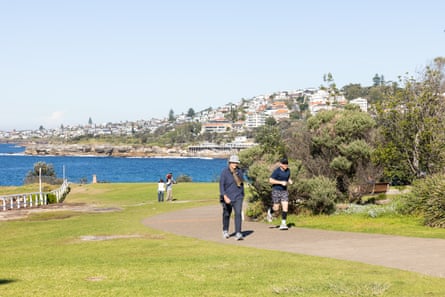
The tranquil clifftop path winding down to Coogee Beach, a scene of everyday Australian life, provided a contemplative backdrop for James O’Loghlin as he discussed his new book, "The Missing Piece." Amidst the rhythmic ebb and flow of small, ordinary pleasures – a beagle’s joyous walk, a yogi’s midday stretch, an elderly couple sharing hot chips – O’Loghlin, a familiar voice in Australian media, unveiled a deeply personal narrative born from profound loss and an unexpected foray into activism. His latest work chronicles the tragic journey of his university friend, James "Jum" Wallner, who succumbed to mesothelioma, an aggressive cancer, at the age of 54, and the subsequent fight for justice for those exposed to asbestos in their homes.
O’Loghlin, renowned for his multifaceted career as a comedian, writer, and broadcaster, and currently the host of the New South Wales ABC radio afternoon program, has always possessed a keen eye for human stories. A former lawyer, he has also penned several crime novels, drawn by "the puzzle of them." Yet, "The Missing Piece" deviates sharply from his typical genre, delving into the raw, complex emotions surrounding terminal illness and the bonds of male friendship. The book is a moving testament to Jum, remembered for a smile "so big it could swallow the world," and the enduring impact of his life and death on O’Loghlin.
The Unfolding Tragedy: A Friendship Interrupted by Mesothelioma
O’Loghlin and Jum’s friendship blossomed in the mid-1980s at the University of Sydney, specifically within the collegiate environment of Wesley College. Their bond was immediate and profound; O’Loghlin describes Jum as "the easiest person to hang out with – funny, smart, very interested in people, really good-hearted." However, as often happens in adult life, careers, families, and geographical distance gradually created a chasm, leading O’Loghlin to admit he allowed "cobwebs grow over" their once-vibrant connection. Both believed "there would be plenty of time to see each other when our lives were less busy," a poignant reflection that would soon be shattered by an inescapable reality.

The devastating news arrived abruptly: Jum had been diagnosed with mesothelioma. This rare and highly aggressive cancer is almost exclusively linked to asbestos exposure, often with a latency period of several decades between exposure and symptom onset. At 54, Jum was considered young for such a diagnosis, which typically affects individuals in their later years. The median survival rate for mesothelioma patients often ranges from 12 to 21 months post-diagnosis, underscoring the grim prognosis Jum faced.
Upon learning of his friend’s illness, O’Loghlin immediately drove from Sydney to Canberra, Jum’s hometown. It was there, in a "Mr Fluffy house," that the insidious connection to his friend’s illness became clear. These homes were insulated with loose-fill asbestos, a highly friable and dangerous material installed in over 1,000 Canberra properties during the 1960s and 70s. The exposure to this carcinogenic material in his childhood home sealed Jum’s fate.
The "Mr Fluffy" Legacy: A National Health Crisis Unveiled
The "Mr Fluffy" asbestos crisis represents one of Australia’s most significant and protracted public health challenges related to asbestos exposure. From approximately 1968 to 1979, a company named Mr. Fluffy (operating under various names) insulated homes in Canberra and surrounding regions of New South Wales with loose-fill amphibole asbestos, primarily crocidolite and amosite. This material, often pumped into wall cavities and roof spaces, was particularly hazardous because of its friable nature – meaning it could easily become airborne and be inhaled, even without direct disturbance.
The dangers of asbestos had been known for decades, but the full extent of the "Mr Fluffy" problem only became apparent in the 1980s. Initial remediation efforts were often inadequate, involving partial removal or sealing, which did not fully eliminate the risk. The inherent difficulty in completely removing all traces of loose-fill asbestos from a domestic environment meant that occupants of these homes continued to face ongoing exposure risks, even after attempted clean-ups. This created a generation of unwitting victims, like Jum, who had lived in these homes during their formative years.
Australia, unfortunately, has one of the highest per capita rates of mesothelioma in the world, largely due to its extensive historical use of asbestos in construction, manufacturing, and other industries until a national ban was fully implemented in 2003. The "Mr Fluffy" episode stands as a stark reminder of the long-term consequences of this past reliance on a deadly material. The Canberra region, with its high concentration of affected homes, became a focal point for the broader discussion around residential asbestos exposure and victim compensation.
Accidental Activism: A Race Against Time for Justice
The personal impact of Jum’s diagnosis immediately translated into a deeper emotional connection for O’Loghlin. He recounted his arrival at Jum’s door: "I had never hugged a male friend before," O’Loghlin stated matter-of-factly, highlighting a common societal barrier for men. "That was the first hug, and it was nice." This act, initially unfamiliar, became a regular, comforting gesture, extending to Jum’s funeral and among grieving friends. Today, O’Loghlin is a regular hugger, advocating for men to embrace such expressions of affection, noting that "women do it far more naturally and frequently… Us men should get into it a bit."
Beyond the personal, Jum’s illness ignited a powerful sense of purpose in O’Loghlin. He reflected on the choice presented when a friend faces terminal illness: "Whenever someone has a dying friend, you need to decide if you lean in or lean out. With family we don’t often get a choice – you lean in because you have to. But with friends, we do have a choice." O’Loghlin candidly admitted to "leaning out" during a similar situation two decades prior, a decision he "still regret[s]." This time, the choice was clear: he would lean in, accepting the inherent "cost" but recognizing the potential for a "very, very rewarding and rich" deepening of the relationship.
As O’Loghlin immersed himself in understanding mesothelioma, he uncovered a cruel anomaly in the existing compensation framework. Individuals exposed to asbestos in their workplaces were typically eligible for compensation, recognizing the industrial negligence involved. However, those exposed in residential settings, like Jum, often found themselves in a legal and financial void, with no clear pathway to redress. This injustice galvanized O’Loghlin. Together with two other friends, he launched an "accidental activism" campaign, driven by a desperate urgency to change the rules before time ran out for Jum.
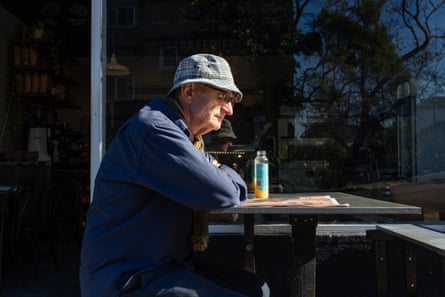
O’Loghlin, a self-proclaimed "total novice" and "not an activist at all," found himself tested in unprecedented ways. He "barely even read the news," he admitted, highlighting the transformative power of personal stakes. Recognizing his strengths, he offered to draft letters to federal and ACT governments, understanding that a powerful message was crucial. The challenge wasn’t just writing, but ensuring these letters cut through the bureaucratic noise. He employed relentless follow-up emails, phone messages, and leveraged every contact in Canberra – trade unions, health organizations, media outlets – to amplify their plea.
The campaign became an all-consuming obsession. O’Loghlin recounts lying awake at night, tormented by the question: "Is there one thing, one thing I can do that will make a difference to my dying friend? How am I going to do it? What more can I do? Who can I talk to? How can I prod them more?" This intense self-scrutiny was fueled by a desire to avoid future regret, to know he "done everything I could." His book, "The Missing Piece," unflinchingly details this period, replete with "gallows humour, self-doubt and second-guessing," as he navigated both the emotional complexities of caring for a dying friend and the demanding, unfamiliar world of political lobbying.
The Campaign’s Breakthrough and a Bittersweet Victory
The lobbying effort was a relentless, high-stakes battle against the clock. For 11 weeks and two days, O’Loghlin and his friends pressed their case, highlighting the moral imperative to compensate "Mr Fluffy" victims. They argued that the distinction between occupational and residential exposure, while legally defined, was ethically indefensible when both resulted in the same deadly disease. Their concerted efforts, combining personal stories with factual arguments and sustained political pressure, eventually broke through.
On May 6, 2021, the then-federal Health Minister, Greg Hunt, announced the establishment of a compensation fund for individuals diagnosed with mesothelioma due to residential exposure to loose-fill asbestos from "Mr Fluffy" homes. This landmark decision marked a significant victory for victims and their advocates, acknowledging a long-standing injustice. O’Loghlin, reflecting on the government’s response, offered "full credit to the government" for their eventual action.
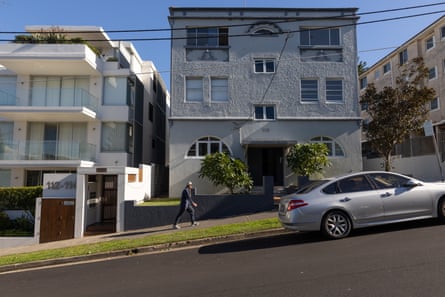
However, the triumph was steeped in profound sorrow. Just two days after the announcement of the compensation fund, James "Jum" Wallner passed away. The victory, hard-won and deeply meaningful, arrived too late to offer him direct relief, underscoring the brutal finality of mesothelioma. This bittersweet outcome, where justice was secured but life was lost, profoundly shaped O’Loghlin’s perspective. He vehemently rejects any notion of cosmic balance, stating, "Karma can go fuck itself," a raw expression of the unfairness inherent in such tragedies.
Official reactions to the compensation fund were largely positive, with victim advocacy groups praising the decision as a crucial step towards acknowledging the suffering of those affected by the "Mr Fluffy" crisis. While the fund could not restore lost lives, it provided vital financial support for ongoing medical care, palliative support, and a measure of dignity for families grappling with the devastating costs and emotional toll of the disease.
Beyond Grief: Lessons in Life and Connection
Jum’s illness and death profoundly altered O’Loghlin’s outlook on life, instilling a renewed appreciation for the present and the people in it. He vividly recalls Jum’s response when asked how he felt during his treatments. Jum rated his state as "seven out of 10," even amidst chemotherapy and pain, explaining that a year prior, before his diagnosis, he would have given the same rating due to everyday annoyances like work stress or a sore knee. Jum’s profound insight resonated deeply: "Funny thing is, once you don’t have your health, you realise that your life was a 10 out of 10 before."
This realization became a cornerstone of O’Loghlin’s transformed perspective. "Death is coming for us all," he states, a stark but liberating truth. "Now I have a determination to seek out the things that make me happy and if I’m not happy about something, I’ve learned to soften my brain and let things float away." This philosophy, born from the crucible of grief, champions conscious living and emotional resilience. When asked about his own happiness, O’Loghlin, ever the comedian, jokes "A solid three," before breaking into a "belly laugh" and revising it to "a nine and a half," citing the simple pleasures of an engaging conversation, warm sunshine, and an unexpected act of kindness.
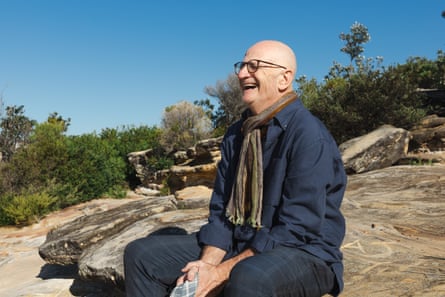
O’Loghlin’s book also serves as a practical guide for navigating the difficult terrain of supporting a dying friend. He emphasizes that conversations should center on "what they want to talk about," and that friends should avoid burdening the dying person with their own grief, suggesting to "go out and have a cry in the car." He acknowledges the inherent awkwardness of discussing death but encourages sensitivity to subtle cues. Jum, for instance, offered a hint by remarking, "I probably won’t see the flowers bloom." O’Loghlin advises seizing such opportunities to respond empathetically, "Well, I hope you do," or "That’s a bummer," creating space for the dying person to open up if they wish. This guidance aims to dismantle the societal discomfort surrounding mortality, fostering more authentic and supportive interactions.
Broader Implications and Ongoing Legacy
The success of the "Mr Fluffy" compensation campaign carries significant implications beyond Jum’s personal story. It set a precedent for recognizing and compensating victims of residential asbestos exposure, bridging a critical gap in public health policy. This outcome highlights the powerful impact that determined individual advocacy, even from "novice activists," can have in shaping government decisions and rectifying systemic injustices. It underscores the ongoing responsibility of governments to address the long-term health consequences of past industrial practices and inadequate regulations.
The "Mr Fluffy" crisis also serves as a potent reminder of Australia’s enduring legacy of asbestos. Despite the national ban, countless buildings, both public and private, still contain asbestos-containing materials, posing a latent threat to public health. The need for continued vigilance, safe removal practices, and accessible information remains paramount to prevent future generations from suffering similar fates to Jum.
Ultimately, "The Missing Piece" is more than a memoir of grief or a chronicle of activism; it is a profound meditation on the human condition. O’Loghlin’s concluding thoughts underscore the book’s universal message: "Time is something you never get back… We are all going to have to decide whether to lean in or lean out. Every single one of us is going to have a dying friend, unless we are one." He implores readers to overcome the "awkwardness" of confronting mortality and to prioritize genuine connection. "Sometimes words will come out wrong. It’ll be clunky. But it’s much better than after they’re dead, thinking, ‘I wish I’d said that.’ So, get into it." His powerful call to action resonates with a clear and urgent message: in the face of life’s fleeting nature, embrace friendship, express affection, and engage fully with those we love, for time, once gone, can never be retrieved.