
 Reynand Wu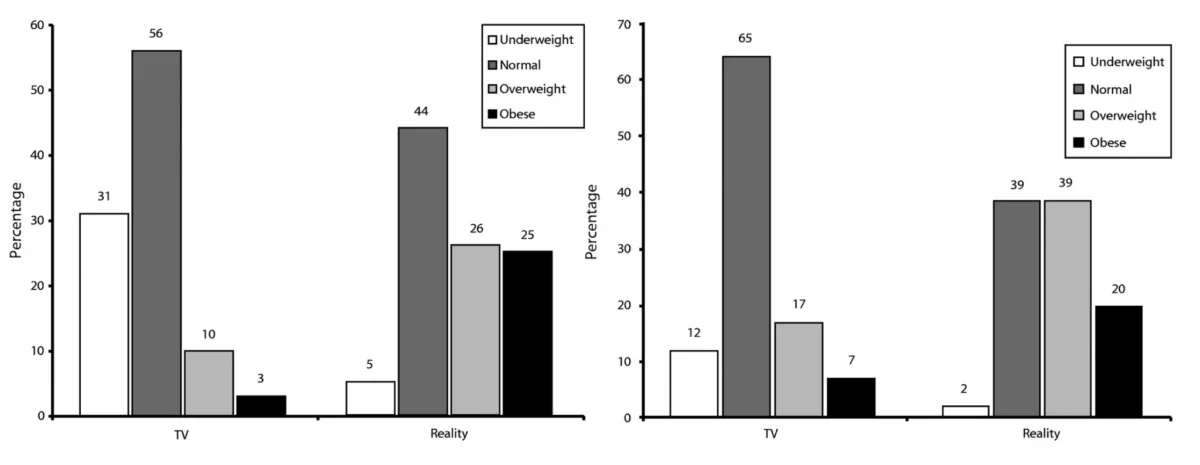
The pervasive and often damaging portrayal of individuals with larger body types on television continues to be a critical issue, contributing to a distorted societal perception of beauty and health while profoundly impacting viewer self-esteem. Far from being a neutral reflection of reality, television narratives frequently reduce characters with larger bodies to one-dimensional caricatures, denying them the depth, complexity, and positive attributes routinely afforded to their thinner counterparts. This phenomenon is not merely an oversight but a systemic pattern of dehumanization that perpetuates harmful stereotypes and reinforces a narrow, unattainable "thin ideal."
A Historical Lens on Body Ideals and Media
The evolution of beauty standards, particularly concerning body size, has been a dynamic and often cyclical journey, significantly influenced by cultural, economic, and media forces. Historically, throughout various periods and cultures, larger body types have been celebrated as symbols of prosperity, health, and fertility. From the voluptuous figures admired in Renaissance art to the "Gibson Girl" aesthetic of the early 20th century, which embraced a fuller silhouette, societal preferences have shifted. However, the mid-20th century saw a dramatic pivot, largely driven by the burgeoning fashion industry, Hollywood’s increasing influence, and the rise of mass media. The "flapper" era of the 1920s introduced a slimmer ideal, which gained significant traction post-World War II with the rise of supermodels and the commercialization of diet culture. By the late 20th and early 21st centuries, the "thin ideal" had become deeply entrenched, particularly in Western media, establishing a narrow definition of attractiveness that largely excluded individuals with average or larger body sizes. Television, as a powerful cultural mirror and shaper, has played an instrumental role in embedding and propagating this ideal, consistently favoring slender protagonists and often assigning negative attributes to characters who deviate from this norm.
The Current Landscape: Dehumanization and Caricature in Storytelling
Contemporary television continues to reflect and reinforce this skewed reality. Research consistently demonstrates that characters with larger body types are disproportionately relegated to supporting roles, often serving as comic relief or antagonists, rather than fully developed individuals with rich inner lives. A notable study by Tzoutzou et al., examining appearance-based compliments in television, revealed a stark disparity: all 36 compliments directed at women regarding their appearance were exclusively for thin women. Not a single positive message was conveyed to a woman of an average or overweight body type. For male characters, the pattern was equally concerning, with only one overweight character receiving a positive appearance-related comment. This data underscores a profound bias in how attractiveness is portrayed, signaling to audiences that external beauty is almost exclusively synonymous with thinness. The implication is clear: characters whose bodies do not conform to this narrow definition are implicitly deemed less attractive and, by extension, less worthy of positive affirmation. This lack of positive reinforcement extends beyond mere compliments, permeating the very fabric of their narrative arcs, often leaving their stories undeveloped and their identities unexamined, suggesting their personal journeys simply "don’t matter" in the grander scheme of the show.
A Statistical Disconnect: Underrepresentation in a Diverse Reality
Beyond the qualitative issues of portrayal, there is a significant quantitative problem: the severe underrepresentation of larger bodies on television compared to their prevalence in the real world. While a substantial portion of the population identifies as overweight or obese, television narratives fail to reflect this diversity. Data from studies like Brownell et al. (2003) comparing female and male body types on television versus reality from 1999-2000 starkly illustrates this disconnect. Their findings demonstrated that the proportion of larger body types on screen was dramatically lower than in the actual population, creating a media landscape that is fundamentally unrepresentative of its audience. This underrepresentation acts as a double-edged sword: not only are larger characters portrayed negatively, but their sheer absence further marginalizes and invisibilizes a significant demographic. When television consistently fails to mirror the diversity of its viewers, it perpetuates a sense of otherness for those whose bodies are not deemed "television-worthy," subtly communicating that their existence is less valid or less interesting.
Archetypes of Harm: The Comic Relief and The Villain
The limited roles available for characters with larger body types often fall into two damaging archetypes: the bumbling comic relief or the malevolent villain. In comedy, the humor derived from larger women, as explored in studies related to the "Melissa McCarthy effect," frequently comes at their expense rather than with them. Overweight women are reportedly twice as likely to be the subject of a joke compared to their thinner counterparts. These characters often have smaller roles, are less likely to be involved in romantic relationships, and engage in "fewer positive interactions than thin characters." This comedic framing not only trivializes their experiences but also normalizes the idea that their bodies are inherently funny or deserving of ridicule.
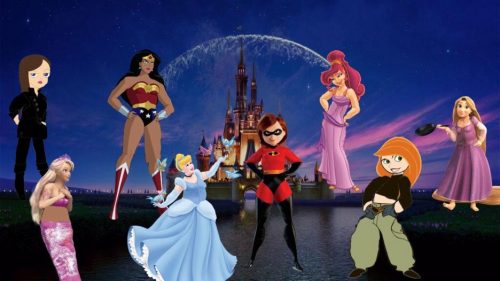
Equally pernicious is the consistent portrayal of larger characters as villains. A study by Himes and Thompson (2007) found that in 64% of the most popular children’s videos, "obesity was equated with negative traits (evil, unattractive, unfriendly, cruel)." Iconic examples abound in children’s media, such as Ursula from The Little Mermaid or the Queen of Hearts from Alice In Wonderland—characters whose physical size is often visually linked to their malevolence. This insidious connection between fatness and villainy, particularly in formative childhood media, instills a subconscious association that demonizes larger bodies, equating them with moral failings and danger. Such portrayals strip these characters of their humanity, preventing the development of nuanced backstories and motivations, thereby rendering them less relatable and reinforcing the idea that larger individuals are inherently less complex or less worthy of empathy.
Psychological and Social Ramifications on the Audience
The relentless barrage of negative and stereotypical portrayals has profound psychological and social ramifications for viewers, particularly women and young girls. The internalization of these distorted media messages can manifest rapidly; a study by Fouts and Burggraf (2000) indicated that as little as 30 minutes of television viewing could negatively impact a young woman’s body image. This immediate effect can trigger a cascade of adverse outcomes, including heightened body dissatisfaction, reduced self-esteem, and an increased propensity for disordered eating patterns.
The Tzoutzou et al. study further highlighted this connection, with girls explicitly acknowledging that media influence fueled their desire for thinness and conformity to the prevailing beauty standard. This desire often translates into frequent dieting, a significant precursor to various eating disorders, as individuals strive to achieve an unrealistic body ideal consistently transmitted by mass media. Beyond individual psychological distress, these misrepresentations can instill a fear of social judgment. Viewers, especially those whose bodies do not align with the "thin ideal," may internalize the belief that they will face the same sexist or discriminatory treatment depicted on screen if they fail to conform. This anticipatory anxiety can lead to self-objectification, social withdrawal, and a diminished quality of life, as individuals modify their behavior or appearance to preempt perceived negative reactions from others, reactions rooted in fictional and distorted television narratives. The collective impact is a pervasive sense of insecurity, where a space meant for enjoyment—television—becomes a source of judgment and self-critique.
Industry Perspectives and Calls for Change
While the media landscape has been slow to evolve, there are growing calls for greater accountability and more inclusive representation from advocacy groups, academic researchers, and increasingly, within the industry itself. Organizations dedicated to body positivity and media literacy have consistently highlighted the detrimental effects of fatphobic portrayals, urging writers, directors, and producers to challenge existing stereotypes. Industry insiders, though often constrained by commercial pressures and long-standing biases, are beginning to acknowledge the ethical imperative for change. Statements from creative professionals often emphasize the need for authentic storytelling that reflects the diverse world audiences inhabit, recognizing that representation is not just a matter of fairness but also a critical component of engaging and relevant content. The burgeoning "body positivity" and "fat acceptance" movements, amplified by social media, have created a powerful counter-narrative, putting pressure on studios and networks to diversify their casting and narratives. This movement advocates for not only the presence of larger bodies but also their portrayal with dignity, complexity, and normalcy, rather than as punchlines or villains.
Broader Societal Implications: Beyond the Screen
The implications of television’s portrayal of larger bodies extend far beyond individual self-esteem, contributing to a broader societal issue of weight stigma and discrimination. When media consistently associates larger body types with negative traits, it subtly legitimizes and perpetuates prejudice in real-world contexts. This can manifest in various domains: from workplace discrimination, where individuals with larger bodies may face hiring biases or fewer opportunities for advancement, to healthcare settings, where they may experience medical bias, inadequate care, or their health concerns being solely attributed to their weight. The demonization on screen reinforces the notion that larger bodies are inherently unhealthy or undesirable, contributing to a culture of "fatphobia" that can lead to social exclusion, bullying, and mental health challenges for affected individuals. This societal stigma is not just a matter of personal opinion; it has tangible, measurable impacts on quality of life, economic opportunity, and access to equitable treatment.
The Path Forward: Towards Inclusive and Authentic Storytelling
The imperative for change is clear. Television, as one of the most powerful cultural institutions, has a responsibility to foster an environment where all viewers feel seen, valued, and respected. This requires a conscious and concerted effort from creators, casting directors, and network executives to move beyond tokenism and embrace genuinely inclusive storytelling. Authentic representation means developing characters with larger bodies who are multifaceted, whose stories are rich and varied, and whose identities are not solely defined by their size. It means showcasing them in romantic relationships, in positions of power, as heroes, and as everyday people living complex lives, without their weight being the central plot device or the butt of a joke. By actively challenging existing tropes and investing in diverse narratives, television can transform from a source of judgment into a powerful platform for empathy, understanding, and positive social change. Ultimately, the goal is to create a media landscape where television is truly "fun for everyone," a space where all bodies are not only seen but celebrated, allowing viewers to relax, enjoy, and find themselves reflected with dignity and respect.









