Layla Zulfa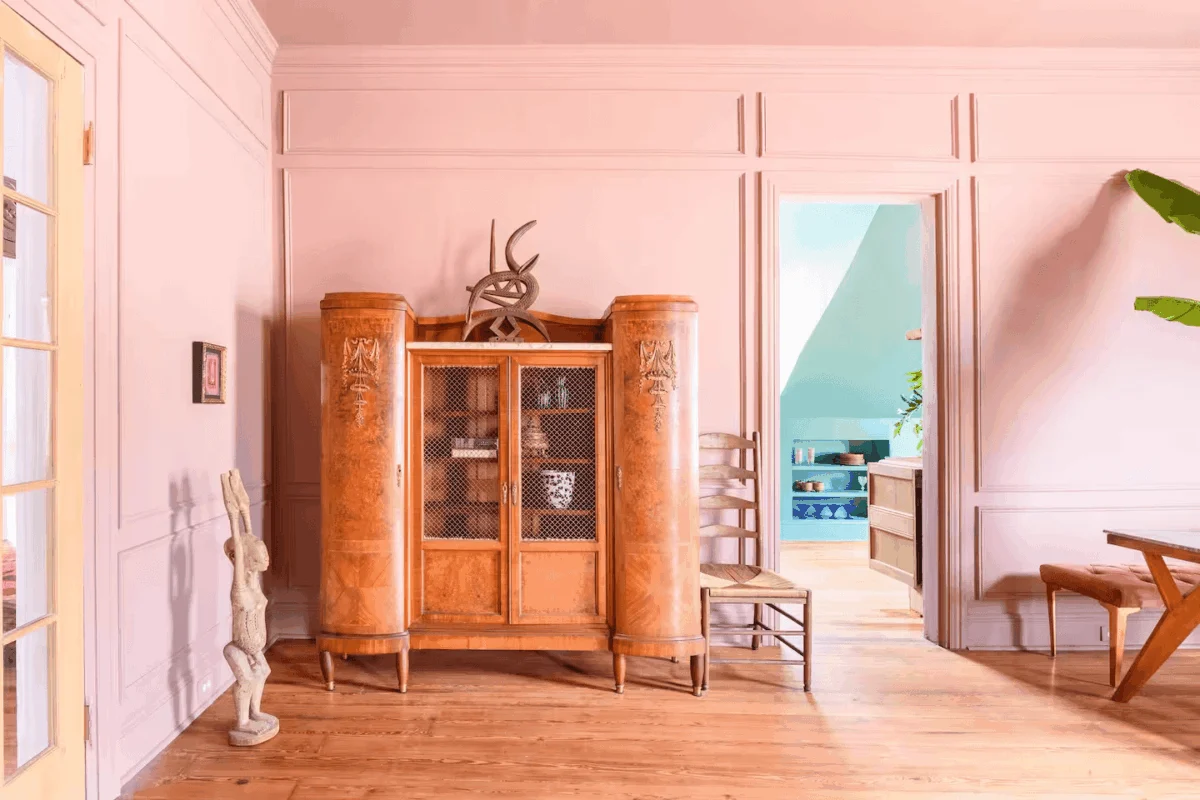
The hospitality landscape of New Orleans, a city defined by its centuries-old architectural heritage and vibrant cultural synthesis, has undergone a significant transformation over the last decade. While the city’s grand hotels—such as the Roosevelt and the Monteleone—remain pillars of the tourism industry, a sophisticated market for high-end short-term rentals (STRs) has emerged. This shift allows visitors to move beyond the traditional tourist corridors and "cosplay as locals" within the residential fabric of the French Quarter, the Marigny, and the Garden District. As the city navigates complex regulatory environments and a post-pandemic tourism surge, these curated properties represent a fusion of historic preservation and modern luxury.
The Strategic Importance of Neighborhood-Centric Tourism
New Orleans’ economy is heavily reliant on its ability to market its unique atmosphere. According to data from New Orleans & Company, the city’s official destination marketing organization, the region sees upwards of 18 million visitors annually, with spending often exceeding $10 billion. The rise of platform-based rentals like Airbnb has decentralized this economic impact, pushing foot traffic into neighborhoods that were historically residential.
For the traveler, the choice of a short-term rental is often a matter of architectural immersion. The city’s "shotgun" houses, Creole cottages, and Victorian mansions offer a tangible connection to the past that a standardized hotel room cannot replicate. From the wide porches of Uptown to the brick-walled outposts of the Marigny, these properties serve as cozy home bases for those looking to explore the city’s famous nightlife hotspots, such as Bourbon Street and Frenchmen Street, while maintaining a sense of domestic tranquility.
Luxury and Scale: High-End Accommodations for Groups
A prominent trend in the New Orleans STR market is the rise of large-scale luxury properties designed for groups. A prime example is the "Luxury on Magazine St" property. Situated in a high-traffic corridor known for its boutique shopping and dining, this two-story home accommodates up to 10 guests. The property reflects a "modern-meets-contemporary" decor scheme, utilizing deep jewel tones to evoke the city’s traditional joie de vivre.
With amenities such as a heated plunge pool, a pool table, and a whimsically wall-papered dining room, properties of this caliber command premium rates, often starting at $2,321 per night. This segment of the market caters to high-net-worth travelers and corporate retreats, providing an elevated respite from the bustling French Quarter.
Similarly, the "Luxe Garden District Suite" offers a bridge between boutique hotel services and private residential living. This award-winning property maintains the architectural integrity of the Garden District while providing shared access to a heated pool, spa facilities, and an outdoor kitchen. Its proximity to St. Charles Avenue—the route of the world’s oldest continuously operating streetcar line—makes it a strategic choice for those visiting during the Mardi Gras season.
Historic Preservation and the "Bywater Movement"
The Bywater and Marigny districts have become epicenters for creative-class tourism. Properties such as the "Historical Bywater Gem" and the "Sunny Designer Studio" highlight the ongoing revitalization of these riverfront neighborhoods. The Bywater Gem, a one-bedroom apartment featuring 12-foot ceilings and sunlight-drenched interiors, exemplifies the "gentle density" that urban planners often advocate for in historic districts.
The "Sunny Designer Studio," a restored 1910 structure, pairs historic character—such as exposed brick and clawfoot tubs—with modern amenities like Brooklinen robes and percale sheets. These properties are often favored by solo travelers or couples who seek a quieter alternative to the French Quarter. The Bywater neighborhood, characterized by its proximity to Crescent Park and its vibrant street art, has seen a steady increase in property values as these historic renovations continue to attract global interest.
Chronology of the Short-Term Rental Debate in New Orleans
To understand the current availability of these properties, one must look at the legal and social timeline of the city’s relationship with Airbnb:

- 2016: New Orleans becomes one of the first major U.S. cities to formalize an agreement with Airbnb, seeking to tax and regulate the industry.
- 2019: Amid concerns over housing affordability and neighborhood "hollowing out," the City Council passes stricter regulations, particularly in the French Quarter and the Garden District.
- 2022-2023: A series of legal battles ensue over "primary residence" requirements. Federal courts strike down certain provisions, leading to a period of regulatory uncertainty.
- 2024: The city continues to refine its permitting process, focusing on "Onerous Operator" rules to ensure that STRs do not degrade the quality of life for permanent residents.
Despite these challenges, the demand for unique stays, such as the "Historic Cottage in Faubourg Marigny"—a 200-year-old home featuring tongue-and-groove ceilings and a private backyard pool—remains high. These properties are often viewed by preservationists as a double-edged sword: they provide the capital necessary to maintain aging structures, yet they can alter the social fabric of the street.
Architectural Diversity: From Creole Cottages to Victorian Splendor
The New Orleans Airbnb market is a living museum of architectural styles. The "Retro, Funky Guest House" in the French Quarter demonstrates the "shotgun" house form—a narrow, rectangular residential dwelling where rooms are arranged one behind the other. This property is a masterclass in eclectic design, mixing 1950s formica with 1970s chevron prints and Native American-inspired decor.
In contrast, the "Victorian Home in Uptown" and the "Modern Victorian in Bywater" represent the ornate flourishes of the late 19th century. The Uptown "Magic Cottage" features two living rooms—one for relaxation and another for formal entertaining—reflecting the social hierarchies of the Victorian era. The Bywater property, with its bright blue exterior and orange door, showcases the city’s tradition of bold, expressive color palettes.
For those seeking a more gritty, authentic experience, the "Riverview Balcony Apartment" (built in 1834) offers what the hosts call "authentic city sounds," including train whistles and ship horns from the nearby Mississippi River. This property’s renovation preserved its canopy beds and blue stained glass, offering a direct link to the city’s maritime history.
The Treme and the Cultural Narrative
The Faubourg Treme neighborhood holds a unique place in American history as the oldest African American neighborhood in the United States. The "Rare Treme Jewel," a two-bedroom rental in a former citrus compound, is part of this historical narrative. By refurbishing hardwood floors and maintaining separate entrances, the property respects the original layout of the compound while catering to modern privacy needs.
The presence of high-quality rentals in the Treme is often cited by local proponents as a way to bring tourism dollars directly into historically underserved communities. However, it also sparks ongoing discussions regarding the balance between economic revitalization and the preservation of the neighborhood’s soul.
Infrastructure and the "Streetcar Factor"
A recurring "perk" across the city’s top-rated Airbnbs is proximity to public transit, specifically the streetcar lines. Properties like the "Large Studio on St. Charles Avenue" and the "Porch Life Near Parade Routes" leverage their location on these transit arteries. For a city with limited parking and narrow streets, the streetcar is more than a novelty; it is a vital piece of infrastructure that connects the University section and Uptown to the Central Business District (CBD) and the French Quarter.
The "Porch Life" property, specifically marketed for Mardi Gras, highlights the importance of the "front porch culture" in New Orleans. The ability to watch a parade or interact with neighbors from a raised porch is a quintessential New Orleans experience that these rentals capitalize on.
Broader Implications and the Future of the Market
The proliferation of high-end Airbnbs in New Orleans has several long-term implications for the city:
- Economic Diversification: The "STR economy" supports a secondary market of interior designers, professional cleaners, and local property managers.
- Housing Policy: The tension between the lucrative STR market and the need for affordable long-term housing remains a primary focus for the New Orleans City Council.
- Tourism Evolution: Travelers are increasingly seeking "experiential" stays. The "Modern Retreat Just Steps to Bourbon St." caters to this by providing a chef’s kitchen and pet-friendly amenities, allowing for a more personalized stay than a standard hotel.
In conclusion, the curated selection of New Orleans Airbnbs—ranging from the $149-per-night historic studio to the $2,300-per-night Magazine Street estate—reflects a city that is simultaneously anchored in its past and adapting to the demands of modern global tourism. As New Orleans continues to balance its identity as a living city and a premier travel destination, these properties will remain at the center of the conversation regarding how we inhabit and experience historic urban spaces.