Layla Zulfa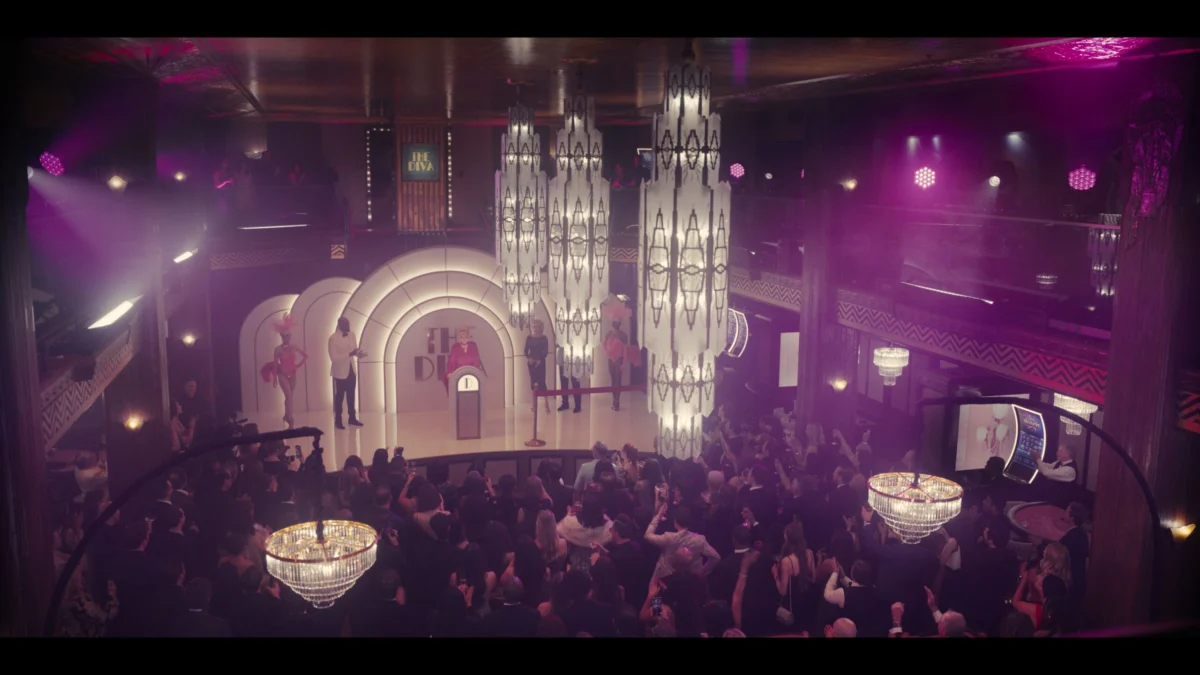
The series finale of the critically acclaimed HBO comedy Hacks has provided a definitive conclusion to the narrative arc of legendary comedian Deborah Vance and her ambitious CEO, Marcus, culminating in the grand reveal of their joint venture, The Diva casino. This final chapter serves not only as a resolution to five seasons of character development but also as a masterclass in production design, utilizing the Art Deco movement to encapsulate the essence of its central protagonist. As the doors of The Diva officially opened in the series climax, the aesthetic choices made by the production team highlighted a sophisticated blend of old Hollywood glamour, Las Vegas kitsch, and modern architectural sensibilities.
The journey toward the creation of The Diva began earlier in the final season when Marcus, portrayed by Carl Clemons-Hopkins, first scouted a derelict property located in Primm, Nevada. The filming for these initial scenes took place at Whiskey Pete’s, a real-world casino that has faced the looming threat of obsolescence in a town positioned precariously near the California border. This choice of location grounded the fictional narrative in the harsh reality of the Nevada gaming industry, where once-thriving hubs often teeter on the edge of becoming ghost towns. For Marcus, a Las Vegas native with a penchant for modernism, the derelict space represented a blank canvas—a site where he could have implemented a sleek, contemporary boutique design or leaned heavily into the campy history of his hometown.

However, the design trajectory shifted significantly once Deborah Vance, played by Emmy-winner Jean Smart, became an active partner in the project. The decision to adopt Art Deco as the primary design language for The Diva was an intentional move to align the casino’s identity with Deborah’s established personal brand. Production designer Rob Tokarz and set decorator Jennifer Lukehart noted that Art Deco has been a consistent thread throughout the series, influencing the set of Late Night with Deborah Vance, her season two tour bus, and her residency dressing room at the Palmetto. Lukehart characterized the style as possessing a specific type of femininity—one that is strong and bold without being "soft." This timelessness, she argued, mirrors Deborah’s own career resurgence, where vintage motifs have regained modern popularity.
The Exterior and the Neon Legacy of Las Vegas
The first visual introduction to the completed Diva casino was its exterior, which utilized the Plaza Hotel & Casino in downtown Las Vegas as its primary filming location. A centerpiece of this reveal was the massive "The Diva" sign perched atop the building. To ensure authenticity, the production team avoided standard digital fonts, opting instead for a hand-drawn logo that pays homage to the mid-century signage of iconic establishments like the Stardust and the Sahara.
During the 1950s and 60s, the Las Vegas Strip was defined by "Googie" architecture and exuberant neon displays that were largely crafted by hand. Rob Tokarz emphasized that this handmade quality is what allowed those historic logos to stand out. By collaborating with graphic designers to perfect a custom font for The Diva, the production team sought to capture that specific "wild" energy of vintage Vegas while maintaining a sense of prestige. The sign serves as a beacon of Deborah Vance’s ego and her ultimate triumph over an industry that frequently attempted to sideline her.

While Deborah initially campaigned for a monumental statue of herself to stand guard at the entrance—a prop that was actually developed using a 3D scan of Jean Smart’s body—the final version of the casino reflected a more nuanced partnership between her and Marcus. In a poignant narrative shift, Marcus chose to name the casino’s primary entertainment venue the "Deborah Vance Comedy Club," eschewing their previously agreed-upon title, the "Kitten Heel Club." This gesture signaled Marcus’s deep respect for Deborah’s legacy as a trailblazer in the comedy world.
Interior Design and the Influence of Bob Mackie
The interior of the Deborah Vance Comedy Club was brought to life within the actual theater of the Plaza Hotel & Casino. To elevate the existing space to meet Deborah’s exacting standards, the production team repapered the walls in shimmering gold and installed a gold lamé Austrian curtain on the stage. Tokarz noted that the Austrian curtain—a style characterized by multiple rows of scallops that rise simultaneously—was a design element he had hoped to incorporate since the show’s inception. The result was a space that felt both intimate and grand, perfectly suited for the "queen of comedy."
The grand opening sequence, featuring a ribbon-cutting ceremony that included a cameo by the eccentric Mayor Jo (Lauren Weedman), was filmed at the Cicada Restaurant and Lounge in downtown Los Angeles. This venue, known for its stunning Art Deco interior, provided the necessary geometric chandeliers and chevron borders to complement the show’s aesthetic. To further customize the space for the world of Hacks, the production team commissioned custom gaming tables with pink tops, adding a contemporary pop of color to the traditional Deco palette.

One of the most significant artistic collaborations in the finale involved legendary costume designer Bob Mackie. Having appeared as himself earlier in the season during a plotline involving Deborah’s quest for a specific white jumpsuit, Mackie contributed original showgirl sketches to the production of The Diva. Jennifer Lukehart discovered these sketches while researching Mackie’s past work, finding designs he had originally created for a casino project that was never realized. Mackie provided the original sketches to the team, which were then scanned and enlarged into massive lightboxes. These lightboxes, flanking the crowd during the grand opening, added an unparalleled layer of authenticity and industry history to the set.
Contextualizing the Art Deco Revival
The use of Art Deco in the finale of Hacks is reflective of a broader trend in both interior design and television production. Originating in France before World War I, Art Deco became a global phenomenon in the 1920s and 30s, symbolizing luxury, glamour, and faith in social and technological progress. Its revival in the context of Deborah Vance’s casino serves as a metaphor for her own "Golden Age" revival.
Data from architectural and design firms suggests that Art Deco motifs—such as bold geometric shapes, metallic finishes, and rich colors—have seen a significant uptick in commercial hospitality design over the last five years. By choosing this style, the creators of Hacks positioned The Diva not as a relic of the past, but as a sophisticated modern landmark that respects its roots. The integration of neon showgirls, borrowed from the Los Angeles-based prop company Heaven or Las Vegas, further bridged the gap between the historic "Showgirl" era of Vegas and the contemporary comedy scene.

Narrative Implications and the Future of the Franchise
The reveal of The Diva also served to resolve the long-standing tension between Deborah and Marcus. Throughout the series, their relationship has oscillated between professional mentorship and familial devotion. The casino represents the physical manifestation of their shared labor. While the finale utilized green-screen technology to suggest a sprawling casino floor beyond the immediate action, some critics and fans have noted that the limited screen time devoted to the full scope of the casino left a desire for more exploration.
Industry analysts suggest that the detailed world-building of The Diva provides ample ground for potential spinoffs or follow-up specials. The "Hacks universe" has consistently performed well for HBO Max (now Max), garnering multiple Emmy Awards and high viewership numbers. The finale’s focus on the "Deborah Vance Comedy Club" hints at a future where the casino becomes a hub for a new generation of comedians, potentially led by Ava (Hannah Einbinder), whose own evolution from a disgraced writer to Deborah’s creative equal has been the emotional core of the series.
Conclusion: A Fitting Tribute to a Comedy Icon
As Hacks concludes its five-season run, the architectural and design choices of the finale stand as a testament to the show’s commitment to character-driven storytelling. The Diva is more than just a setting; it is a character in its own right, embodying the resilience, flamboyance, and uncompromising standards of Deborah Vance. By utilizing iconic locations like the Plaza and Cicada, and collaborating with titans of design like Bob Mackie, the production team ensured that Deborah’s final act was as spectacular as the career that preceded it.

The transition from the "derelict" state of the early season scouts to the "Art Deco masterpiece" of the finale mirrors the journey of the characters themselves—transforming the old and forgotten into something vibrant, relevant, and undeniably bold. While the curtain has closed on this specific chapter of Hacks, the legacy of The Diva and the design language established by Tokarz and Lukehart will likely remain a point of reference for television production design for years to come.