Ferry Irwandi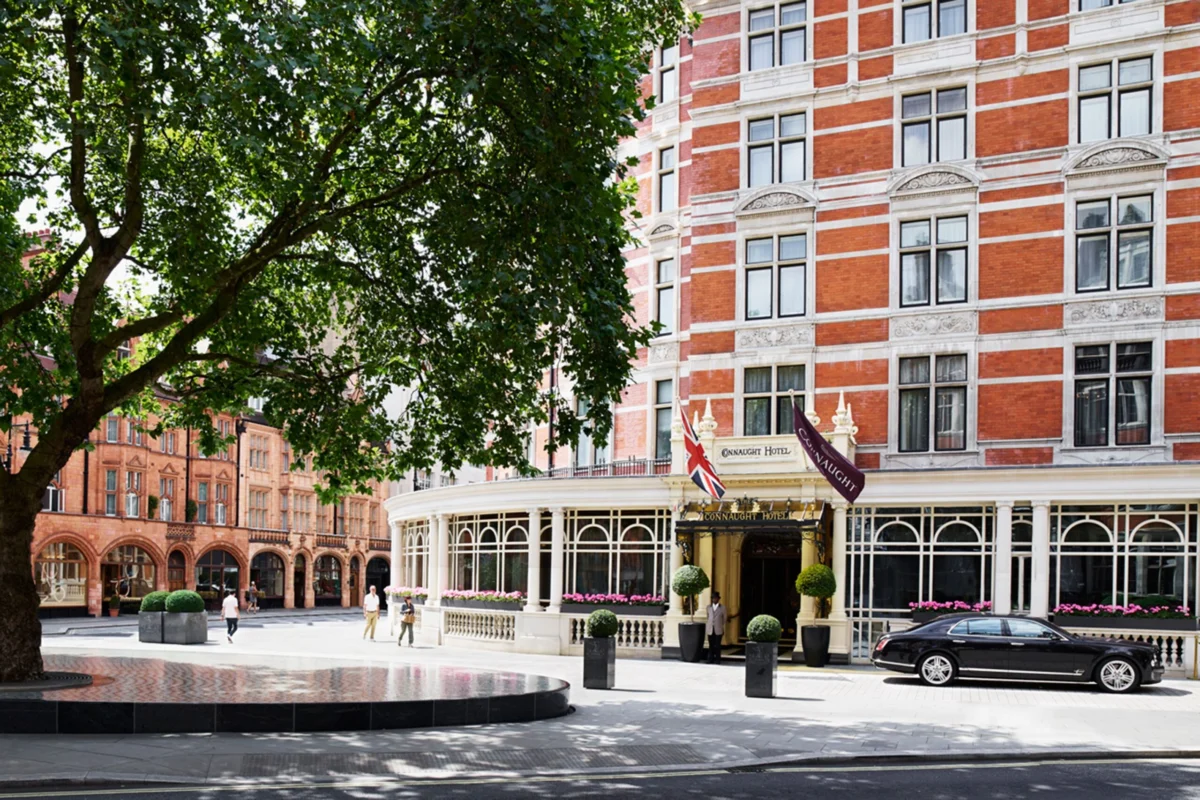
Mayfair remains the undisputed epicenter of London’s luxury landscape, a district where historical prestige meets the contemporary demands of the world’s ultra-high-net-worth individuals. Situated within the City of Westminster, this affluent enclave is defined not only by its geographical boundaries—nestled between Hyde Park to the west and Regent Street to the east—but by its status as one of the most expensive and sought-after real estate markets on the planet. At the heart of this neighborhood lies Grosvenor Square, a site currently undergoing a multi-billion-pound transformation that mirrors the broader evolution of London’s hospitality sector. Historically recognized as a diplomatic bastion, the square is now transitioning into a premier residential and hotel destination, anchored by the redevelopment of the former American Embassy into The Chancery Rosewood.
The Historical Foundations of Mayfair’s Prestige
The ascent of Mayfair began in the late 17th century, following the 1677 marriage of Mary Davies to Sir Thomas Grosvenor. This union brought 500 acres of land north of the Thames into the Grosvenor family’s holdings, laying the groundwork for what would become the Grosvenor Estate. However, it was not until the 1720s that formal development commenced, with Grosvenor Square serving as the centerpiece of an ambitious urban planning project.
Throughout the 18th and 19th centuries, Mayfair established itself as the preferred residence for the British aristocracy. The construction of grand townhouses and the proximity to the royal palaces in St. James’s solidified its reputation. In 1837, Brown’s Hotel opened on Albemarle Street, becoming London’s first hotel and setting a precedent for the luxury hospitality that would eventually define the district. By the mid-20th century, the neighborhood had evolved from a purely residential aristocratic enclave into a mixed-use district of high-end retail, private members’ clubs, and diplomatic missions.
The 20th century was marked by a heavy American presence, particularly centered on Grosvenor Square. During World War II, the square was colloquially known as "Eisenhower Platz" due to the presence of General Dwight D. Eisenhower’s military headquarters. This diplomatic legacy continued until the 2010s, when the United States Embassy moved to a more secure facility in Nine Elms, triggering a massive wave of redevelopment that is currently reaching its fruition.
The Transformation of Grosvenor Square
Grosvenor Square is currently the focus of significant investment aimed at revitalizing its public realm and surrounding architecture. As the second-largest garden square in central London, it has long been a focal point for the neighborhood, but the departure of the American Embassy in 2018 provided a catalyst for a new era.
The most significant project in this redevelopment is The Chancery Rosewood. Occupying the former Eero Saarinen-designed embassy building, the project is a £1 billion endeavor led by Qatari Diar. The transformation will yield 139 guest rooms, a variety of retail spaces, and a grand ballroom, all while preserving the Grade II-listed mid-century modern facade. This development joins other notable recent arrivals such as The Biltmore Mayfair, which opened in 2019 following a £60 million renovation of the former Millennium Hotel, and The Twenty Two, a lifestyle-focused hotel and private members’ club that opened on the square’s western edge in 2022.
Industry data suggests that these developments are part of a broader trend where Mayfair is capturing an increasing share of the global ultra-luxury market. According to real estate analysts at Savills, Grosvenor Square is frequently cited as one of the top five most expensive residential streets globally, with property values often exceeding £5,000 per square foot.
A Comparative Analysis of Mayfair’s Hospitality Landscape
Mayfair’s hospitality sector is characterized by a unique tension between "Grand Dame" institutions and innovative new entrants. This diversity allows the neighborhood to maintain its traditional appeal while attracting a younger, globally mobile demographic.
The Historic Grand Dames
- Brown’s Hotel: Established in 1837, it remains a symbol of Victorian elegance. It is noted for hosting historical figures such as Alexander Graham Bell and Agatha Christie.
- Claridge’s: Often referred to as the "annexe to Buckingham Palace," Claridge’s is an Art Deco masterpiece that has hosted royalty and heads of state for over a century. Recent subterranean expansions have added a five-floor basement including a spa and swimming pool, demonstrating how even the oldest institutions are modernizing.
- The Connaught: Located on Carlos Place, this hotel is famed for its discreet service and the world-renowned Connaught Bar, consistently ranked among the best globally.
- The Ritz London: Situated on Piccadilly, The Ritz remains the standard-bearer for Louis XVI style and formal British afternoon tea.
The Modern Vanguard
The new wave of hotels in Mayfair focuses on "lifestyle luxury," emphasizing design, gastronomy, and social connectivity. The Twenty Two, for instance, caters to a creative elite, offering a more maximalist and vibrant aesthetic compared to the understated luxury of The Connaught. Similarly, The Biltmore leverages its position on Grosvenor Square to offer a resort-like experience within the city, featuring extensive terrace dining and high-tech wellness facilities.
The Economic Impact of Bond Street and High-End Retail
Mayfair’s status is inextricably linked to its retail performance, particularly along Bond Street (consisting of New Bond Street and Old Bond Street). Bond Street serves as the primary artery for luxury commerce in London, housing flagship stores for brands such as Chanel, Louis Vuitton, and Cartier.
Data from the New West End Company indicates that Bond Street continues to outperform other retail districts in terms of spend per visitor. Despite the challenges posed by the shift to e-commerce and the removal of tax-free shopping for international tourists in the UK, Mayfair’s retail sector has shown resilience. The district’s ability to offer "experiential luxury"—where shopping is integrated with fine dining and staycations—remains a key driver of its economic health.
Gastronomy as a Catalyst for Growth
The culinary scene in Mayfair has undergone a revolution over the last decade, moving away from traditional French haute cuisine toward more diverse, concept-driven dining. This shift is vital for the hospitality sector, as high-end restaurants now serve as primary draws for both hotel guests and local residents.
Mount Street Restaurant, located above The Audley Public House, has become a landmark for its integration of world-class art with British gastronomy. Nearby, Bibi offers a contemporary take on Indian street food, while Humo explores wood-fired cooking techniques. These establishments, located within walking distance of the major hotels, create a self-sustaining ecosystem of luxury consumption.
A spokesperson for the Westminster City Council recently noted, "The concentration of Michelin-starred talent in Mayfair is unparalleled. It is no longer just about the hotels; it is about the holistic experience of the neighborhood, where every street corner offers a world-class cultural or culinary touchpoint."
Analysis of Broader Implications and Future Outlook
The continued investment in Mayfair, despite global economic fluctuations, signals a strong vote of confidence in London’s long-term position as a global financial and cultural capital. The redevelopment of Grosvenor Square into a hospitality-led hub suggests a move away from the "fortress-like" diplomatic presence of the past toward a more open, albeit exclusive, urban environment.
However, the rapid appreciation of property values and the focus on ultra-luxury have raised concerns regarding the accessibility and diversity of the district. Analysts suggest that while Mayfair remains a "safe haven" for capital, the success of the neighborhood in the next decade will depend on its ability to balance its exclusive nature with environmental sustainability and community engagement. The Grosvenor Estate has already committed to ambitious net-zero targets, aiming to make its portfolio—much of which is in Mayfair—environmentally sustainable by 2030.
The upcoming opening of The Chancery Rosewood will likely serve as the final piece of the puzzle for the "new" Grosvenor Square. As the American flags have been replaced by the flags of luxury hospitality groups, Mayfair has successfully transitioned its identity from a center of geopolitical power to the global benchmark for the luxury lifestyle.
In conclusion, Mayfair’s dominance is the result of centuries of careful stewardship by the Grosvenor Estate, combined with a relentless appetite for modernization among its hospitality and retail stakeholders. Whether through the historic corridors of Claridge’s or the innovative suites of The Twenty Two, Mayfair continues to define the pinnacle of the London experience, ensuring its place as a premier destination for years to come.