Kang Muslim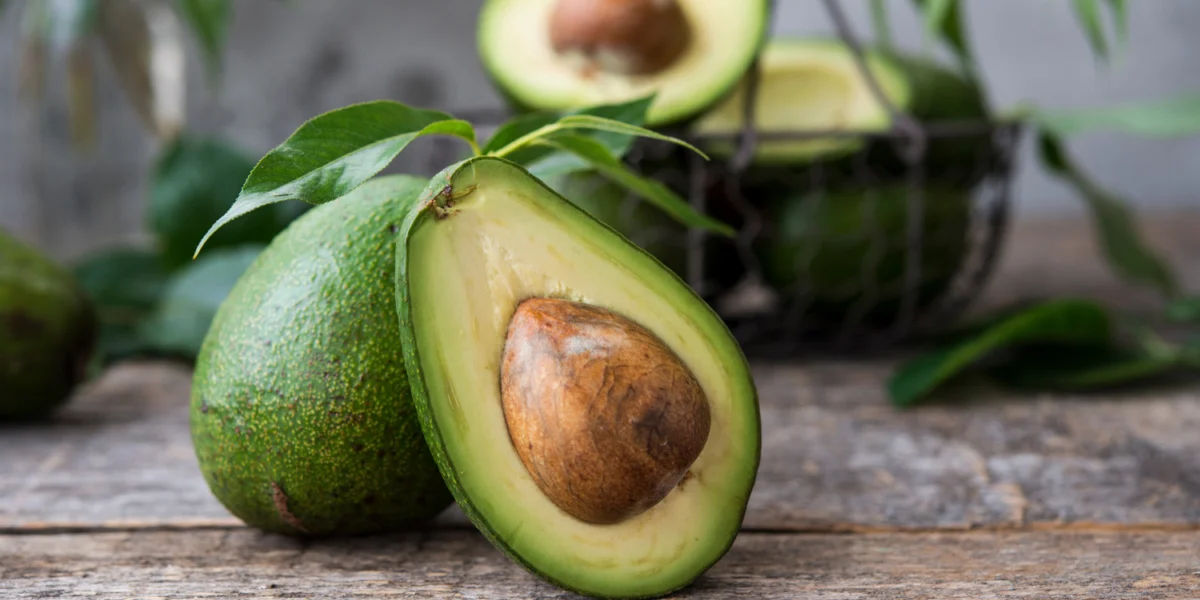
The Global Context of Cognitive Aging and Nutrition
The study arrives at a critical juncture in global public health. As life expectancy increases worldwide, the prevalence of age-related cognitive decline and neurodegenerative conditions, such as Alzheimer’s disease and various forms of dementia, is projected to rise exponentially. According to data from the World Health Organization (WHO), more than 55 million people currently live with dementia, a figure expected to surge to 139 million by 2050. Because clinical symptoms of cognitive decline often emerge decades after the initial physiological changes begin in the brain, the medical community is increasingly focused on mid-life interventions.
The biological mechanisms that drive cognitive aging are complex but largely centered on two pillars: oxidative stress and chronic inflammation. Over years of metabolic activity, the brain accumulates inflammatory byproducts that can damage neurons and the synapses that facilitate communication between them. Simultaneously, the vascular system—responsible for delivering oxygen and glucose to high-energy neural tissues—tends to lose elasticity. This stiffening of the arteries can lead to reduced cerebral blood flow, further compromising mental acuity. Consequently, researchers are searching for accessible, food-based strategies that can mitigate these processes early in life.
The Unique Nutritional Profile of the Avocado
Avocados have been a primary candidate for cognitive research due to their dense concentration of bioactive compounds. Unlike most fruits, which are primarily composed of carbohydrates, avocados are rich in monounsaturated fatty acids (MUFAs). These fats are known to support cardiovascular health by improving lipid profiles and reducing arterial stiffness.
Furthermore, avocados are a significant source of dietary fiber and carotenoids, specifically lutein and zeaxanthin. Lutein is a plant pigment that preferentially accumulates in the human brain and the macula of the eye. Prior observational studies have noted a correlation between high lutein levels and better performance on tasks involving memory and neural efficiency. Because the human body cannot synthesize lutein, it must be obtained through diet. The theoretical framework for the Loma Linda University study was built on the premise that the MUFAs in avocados would enhance the absorption of these fat-soluble carotenoids, thereby providing a synergistic boost to brain health.
Methodology: The Randomized Controlled Trial
Led by Grace J. Lee, a psychology researcher at Loma Linda University, the research team designed a comprehensive six-month randomized controlled trial to test these theoretical benefits. The study focused on a specific demographic: adults aged 25 to 84 with central obesity, defined by an elevated waist circumference. Central obesity is a known risk factor for metabolic syndrome, which is frequently associated with systemic inflammation and a higher risk of cognitive impairment later in life.
The recruitment process was stringent. The team sought participants who were infrequent consumers of avocados, defined as eating no more than two per month. After a series of one-on-one clinical interviews, 251 participants were enrolled and randomly assigned to one of two groups:
- The Experimental Group: These participants were provided with fresh Hass avocados and instructed to consume exactly one per day. They were given recipe booklets and consulted with dietitians to integrate the fruit into their existing diets without being told to change other caloric or nutritional habits.
- The Control Group: These participants were instructed to maintain their usual diet and continue to limit their avocado intake to less than two per month.
To ensure the integrity of the data, the researchers employed "unannounced dietary recalls." Dietitians called participants at random intervals to record everything they had eaten in the previous 24 hours. This method revealed remarkably high compliance; the experimental group consistently consumed their daily avocado, while the control group successfully abstained.
Measuring Cognitive Performance
Brain health was assessed at the beginning (baseline) and at the end of the six-month period. To ensure a holistic view of mental performance, the researchers utilized a battery of both traditional and digital tests, administered by trained psychometrists. These assessments were categorized into five primary domains:
- Memory: Evaluated through immediate and delayed recall tasks involving both verbal lists and visual geometric shapes.
- Processing Speed: Measured by tasks such as the Stroop test, where participants must quickly identify colors or match symbols to numbers under time pressure.
- Executive Function: Assessing working memory, mental flexibility, and the ability to inhibit impulsive responses.
- Simple Reaction Time: A digital test measuring how quickly a participant can respond to a visual stimulus on a screen.
- Working Memory Reaction Time: A more complex digital task requiring the participant to identify if a current stimulus matches one previously presented.
To maintain standardized conditions, participants were required to follow a consistent routine regarding sleep and caffeine intake prior to each testing session. All raw data were converted into percentage-based metrics to allow for a direct, side-by-side comparison of different cognitive domains.
Results and Statistical Analysis
Upon completion of the trial, data were available for 241 participants. The results, however, did not support the hypothesis that a daily avocado would provide a cognitive edge. The research team found no statistically significant differences in the scores of the experimental group compared to the control group across any of the five cognitive domains.
Interestingly, both groups showed a slight improvement in reaction times on the digital working memory tests by the end of the six months. However, the researchers attributed this to the "practice effect"—a common phenomenon in clinical trials where participants perform better on a second round of testing simply because they have become familiar with the format and requirements of the assessment.
The team also conducted a subgroup analysis to see if age played a role. They hypothesized that older participants, who might have more age-related neural "wear and tear," would benefit more from the nutrient influx. However, the data remained consistent across all age brackets; neither the 25-year-olds nor the 84-year-olds showed a measurable "avocado effect" on their cognitive scores.
Analyzing the Neutral Outcome: Why the Intervention Failed to Move the Needle
The researchers offered several evidence-based explanations for why the daily avocado habit did not translate into better brain power.
First, the role of metabolic blunting in obesity cannot be overlooked. Previous nutritional research suggests that individuals with high levels of body fat may process dietary fats and antioxidants differently than those with lower body weights. Systemic inflammation associated with obesity can sometimes "dampen" the positive effects of healthy nutrients, meaning the brain might not have received the full benefit of the avocado’s MUFAs and carotenoids.
Second, the dosage of specific nutrients may have been insufficient. While avocados are nutrient-dense, a single fruit contains approximately 0.5 milligrams of lutein. In contrast, prior clinical trials that successfully demonstrated cognitive improvements often used concentrated supplements containing 10 to 20 milligrams of lutein per day. It is possible that the "food-first" approach, while generally healthier, did not provide a high enough concentration of pigments to alter neural chemistry within a six-month window.
Third, the baseline health of the participants was relatively high. Despite their waist circumference, the volunteers were generally free of major clinical diseases. This "ceiling effect" means there was less room for measurable improvement compared to a population already suffering from early-stage cognitive impairment.
Implications for Future Nutritional Science
The results of this trial provide a sobering but necessary perspective on dietary interventions. While observational studies often show that people who eat more plants have better brains, these studies are often confounded by lifestyle factors; people who eat avocados may also exercise more, smoke less, or have higher socioeconomic status. This randomized controlled trial (RCT) isolated the food item itself and found that, in isolation, it was not enough to change cognitive trajectories over the short term.
However, the researchers do not suggest that avocados are "unhealthy." On the contrary, the fruit remains a superior choice compared to foods high in saturated fats or refined sugars. The study suggests that for brain health, the focus should perhaps shift from "single-food fixes" to broader dietary patterns. For example, the Mediterranean-DASH Intervention for Neurodegenerative Delay (MIND diet) emphasizes a comprehensive intake of leafy greens, berries, nuts, and olive oil.
Moving forward, the investigators suggest that future studies should examine longer intervention periods—perhaps several years rather than months—to see if the cumulative effect of a daily avocado becomes apparent over time. Additionally, testing the intervention on individuals with a healthy Body Mass Index (BMI) could determine if the metabolic status of the participant is indeed the primary barrier to nutrient absorption.
Ultimately, the Loma Linda University study reinforces the complexity of the human brain. Preserving cognitive function in an aging population will likely require a multi-faceted approach involving consistent physical activity, social engagement, and a holistic, plant-heavy diet, rather than relying on the addition of any single dietary component to compensate for an otherwise unchanged lifestyle.