Danny Garick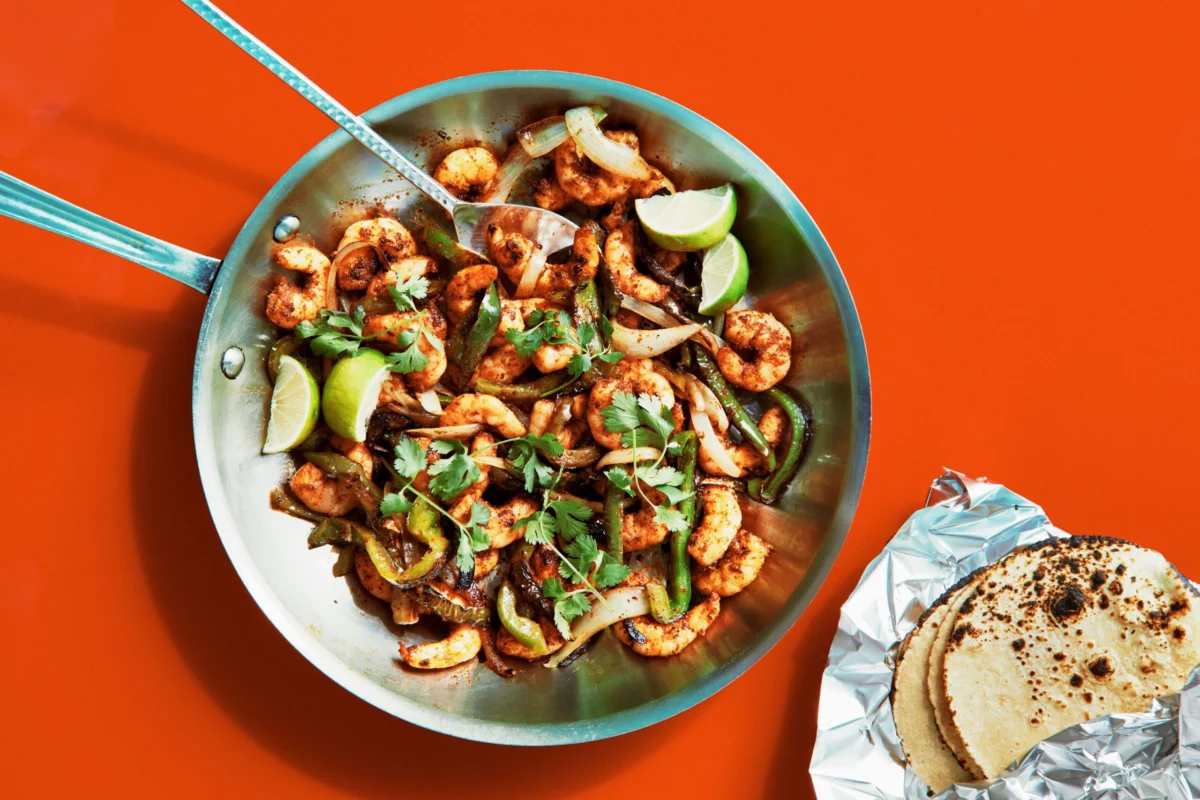
The modernization of Tex-Mex cuisine has increasingly prioritized efficiency without compromising the depth of flavor traditionally associated with long-simmered dishes, as evidenced by the growing popularity of high-heat skillet methods for preparing seafood-based fajitas. This culinary shift allows for the delivery of a restaurant-standard meal—characterized by charred vegetables and succulent protein—in under 30 minutes, a timeframe that aligns with contemporary consumer demands for rapid yet high-quality home dining. The technical success of the shrimp fajita relies on a specific confluence of high-temperature searing, precise spice application, and a nuanced understanding of seafood protein behavior.
The Historical Trajectory of the Fajita: From Vaqueros to Global Menus
The term "fajita" originates from the Spanish word "faja," meaning belt or girdle, referring to the skirt steak cut used by Mexican vaqueros (cowboys) in West Texas during the 1930s. Historically, these ranch workers were often given the less desirable cuts of beef as part of their compensation. They learned to tenderize the tough skirt steak by marinating it and grilling it over open fires. For decades, the dish remained a regional specialty of the Rio Grande Valley.
The transition from a localized ranch food to a global phenomenon began in the late 1960s and early 1970s. Sonny Falcón, known as the "Fajita King," opened the first commercial fajita taco stand in 1969 in Kyle, Texas. However, the introduction of shrimp and chicken fajitas was a later evolution, occurring in the 1980s as the dish moved into upscale restaurant environments. This diversification was driven by a growing health-consciousness among diners and a desire for lighter alternatives to red meat. Today, the shrimp fajita represents the pinnacle of this evolution, offering a lean, fast-cooking protein that absorbs the bold, smoky flavors of the Tex-Mex palette.
Technical Specifications and Culinary Science of High-Heat Cooking
The fundamental secret to replicating the "sizzling" restaurant experience in a domestic kitchen is the application of intense, dry heat. In professional culinary terms, this facilitates the Maillard reaction—a chemical reaction between amino acids and reducing sugars that gives browned food its distinctive flavor. When preparing shrimp fajitas, the skillet must reach a temperature high enough to blister the cell walls of the onions and peppers while maintaining their structural integrity.
Unlike beef, which can withstand longer cooking times, shrimp are highly susceptible to overcooking. Culinary data indicates that shrimp protein denatures rapidly at high temperatures; as soon as the flesh turns opaque and forms a "C" shape, it has reached its optimal internal temperature. Cooking the shrimp separately from the vegetable component is a critical technical step. This prevents the moisture released by the vegetables from steaming the shrimp, which would result in a rubbery texture rather than a seared exterior.
The spice profile used in modern quick-fajita preparations typically involves a concentrated mixture of chili powder and garlic powder. This combination provides an immediate depth of flavor that mimics the complexity of a long marinade. The inclusion of kosher salt—specifically Diamond Crystal or Morton variants—is essential for moisture control and flavor enhancement.

Market Trends and the Economic Impact of Seafood Consumption
The rise of the home-cooked shrimp fajita is mirrored by broader economic trends in the seafood industry. According to recent market analysis, shrimp remains the most consumed seafood in the United States, with the average American consuming approximately 5.9 pounds per year. The availability of high-quality frozen shrimp has been a significant driver of this trend.
Logistical data from the seafood supply chain shows that most "fresh" shrimp found at retail counters was previously frozen at sea to preserve peak quality. Consequently, the use of frozen shrimp in home fajita recipes is not merely a convenience but a scientifically backed preference. To ensure proper searing, experts emphasize the necessity of fully thawing and thoroughly drying the shrimp. Residual moisture on the surface of the protein creates steam, which acts as a thermal barrier and prevents the development of the desired deep color and charred flavor profile.
Ingredient Composition and Nutritional Value
The shrimp fajita is increasingly recognized by nutritionists as a balanced meal, providing a high protein-to-calorie ratio alongside significant fiber and micronutrients from the vegetable components. A standard 1.5-pound serving of large shrimp serves as an excellent source of selenium, vitamin B12, and phosphorus.
The vegetable components—typically large onions and green bell peppers—contribute vitamins A and C. The inclusion of fresh lime juice is not merely for flavor; the citric acid acts as a bright counterpoint to the earthy spices and helps to cut through the richness of the oil used for searing.
The choice of tortilla remains a point of regional and personal preference. Flour tortillas, ubiquitous in Tex-Mex cuisine, offer a soft, pliable vessel that complements the juices of the shrimp. Conversely, corn tortillas provide a gluten-free alternative with a higher fiber content and a toasted nutty flavor. Data from the Tortilla Industry Association suggests that while flour tortillas still dominate the market share in the U.S., corn tortilla consumption is rising as consumers seek more traditional and minimally processed options.
Strategic Topping Integration and Flavor Balancing
The assembly of a shrimp fajita is regarded by chefs as an exercise in balancing textures and temperatures. The "family-style" service model, where components are presented separately, allows for individual customization. Common additions include:
- Crema or Sour Cream: Provides a cooling element to balance the heat of the chili powder.
- Pico de Gallo: Adds acidity and a fresh crunch.
- Avocado or Guacamole: Introduces healthy fats and a creamy texture.
- Cotija Cheese: A salty, crumbly element that adds a savory finish.
- Herbal Accents: While cilantro is the traditional standard, modern variations have begun incorporating mint or chives to provide a different aromatic profile.
For those seeking a more contemporary twist, the substitution of traditional tomato-based salsas with mango salsa or salsa verde has become a prominent trend in fusion Tex-Mex cooking. The sweetness of mango, in particular, creates a sophisticated pairing with the natural sweetness of seared shrimp.
Broader Implications for the Domestic Culinary Landscape
The shift toward 30-minute, single-skillet meals like shrimp fajitas reflects a broader change in domestic labor patterns. As households face increasing time constraints, the demand for "restaurant-style" meals that can be prepared with minimal cleanup has surged. This has led to an increase in the sale of cast-iron and high-carbon steel skillets, which are the preferred tools for achieving the high heat necessary for fajitas.
Furthermore, the democratization of these recipes via digital media has lowered the barrier to entry for novice cooks. By breaking down complex restaurant techniques into manageable home steps—such as the "separate cooking" method for proteins and vegetables—culinary educators are empowering consumers to move away from processed "kit" meals toward fresh, ingredient-focused cooking.
Environmental and Sustainability Considerations
As the popularity of shrimp-based meals grows, the industry has faced increased scrutiny regarding sustainability. Responsible home cooks are increasingly looking for certifications from organizations like the Marine Stewardship Council (MSC) or the Best Aquaculture Practices (BAP). These certifications ensure that the shrimp used in dishes like fajitas are sourced in a way that minimizes environmental impact and protects marine ecosystems.
The move toward sustainable sourcing is not just an ethical choice but a quality one. Sustainably farmed or wild-caught shrimp often possess a superior texture and flavor profile, which is highlighted in the minimalist preparation of a skillet fajita.
Conclusion: The Future of the Tex-Mex Staple
The shrimp fajita stands as a testament to the adaptability of Tex-Mex cuisine. What began as a resourceful way for vaqueros to utilize tough cuts of meat has transformed into a sophisticated, fast-paced culinary staple that fits the needs of the 21st-century kitchen. By focusing on high-heat techniques, quality ingredients, and a balance of bold flavors, the dish continues to be a primary example of how traditional flavors can be preserved within the framework of modern efficiency. As home cooking continues to evolve, the emphasis on quick, nutritious, and flavor-dense meals like the shrimp fajita is expected to remain a dominant force in the global gastronomic landscape.