Nila Kartika Wati
The fashion industry, once heavily reliant on the star power of cultural icons to drive brand appeal and sales, is witnessing a significant shift. What was once a surefire strategy – signing a globally recognized celebrity to a lucrative brand umbrella – is proving to be an increasingly less effective, and at times, even detrimental approach. This evolving landscape is forcing brands to re-evaluate their endorsement strategies, moving away from singular, high-profile partnerships towards more nuanced and multifaceted approaches.
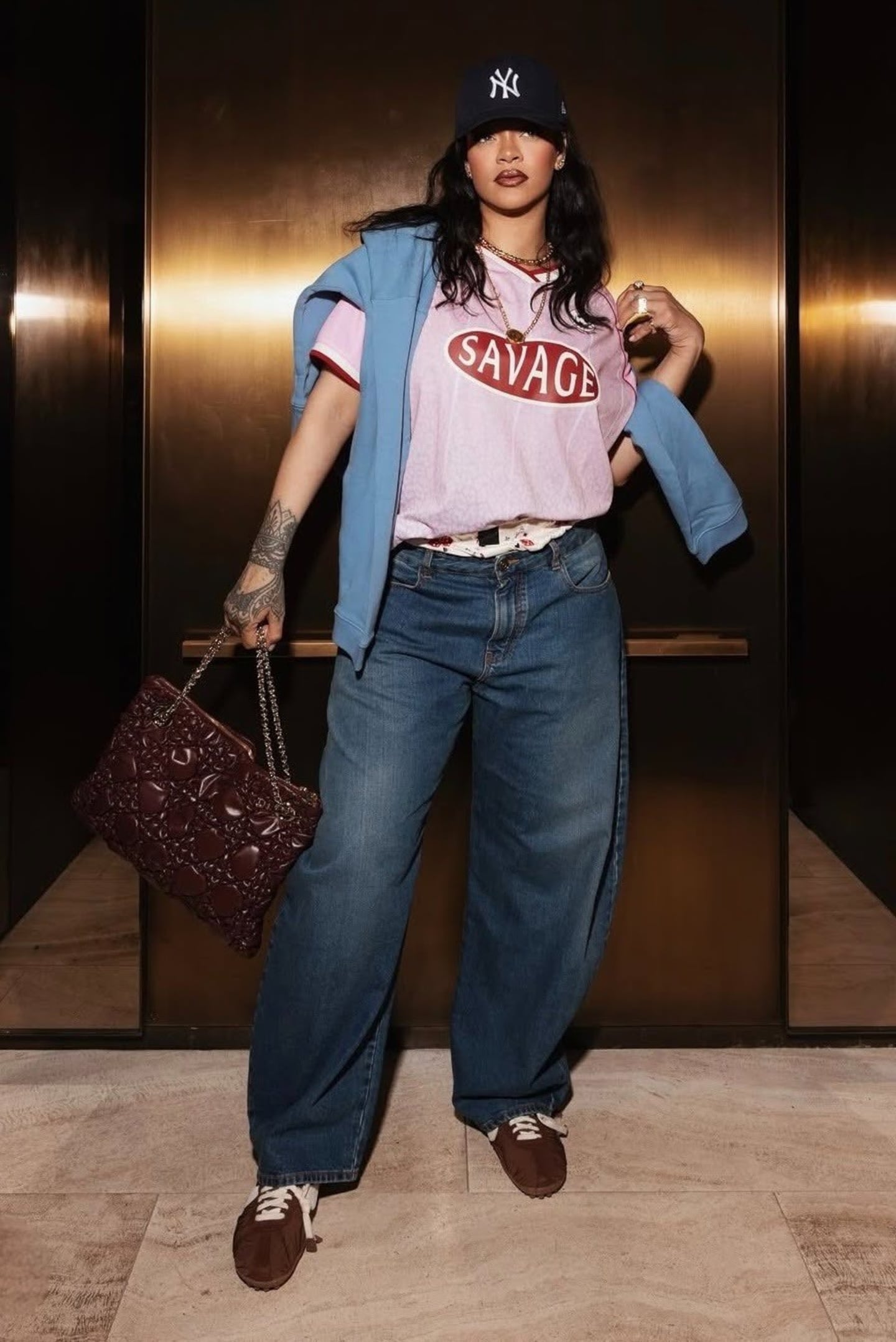
The recent speculation surrounding Rihanna’s long-standing partnership with Puma serves as a potent symbol of this changing tide. While official confirmation remains elusive, reports circulating earlier this year, particularly after the celebrated artist was photographed wearing Nike’s Jacquemus Moon Shoe, have ignited discussions about the efficacy of celebrity mega-deals. The visual dissonance of Rihanna, a prominent figure associated with Puma, sporting a rival brand’s footwear, albeit a niche collaboration, sent ripples through the fashion and business communities, prompting a closer examination of the underlying dynamics at play.
The Golden Age of Celebrity-Brand Alliances
For decades, the formula was straightforward: align a beloved personality with a brand, and watch sales soar. Celebrities lent their charisma, their aspirational lifestyle, and their massive fan bases to products, creating a powerful symbiotic relationship. Think of the iconic collaborations that defined eras: Michael Jordan and Nike, which revolutionized the sneaker industry and created a multi-billion dollar empire; or the enduring partnerships that saw pop stars and actors become synonymous with luxury fashion houses. These alliances were not merely about advertising; they were about cultural osmosis, embedding brands into the fabric of popular culture through the personalities that defined it.
The financial implications were immense. Brands invested heavily in these partnerships, understanding that a well-chosen celebrity could translate into significant market share and brand loyalty. For the celebrities, these deals offered not only substantial financial rewards but also a platform to extend their personal brands and influence into new commercial territories. It was a win-win scenario that fueled considerable growth and shaped the marketing strategies of countless fashion and sportswear companies.
The Shifting Sands: Data and Shifting Consumer Preferences
However, the landscape has irrevocably changed. Several factors are contributing to the diminished impact of traditional celebrity endorsements.
Firstly, market saturation has played a crucial role. The sheer volume of celebrity endorsements has diluted their individual impact. Consumers are bombarded with advertisements featuring famous faces across every conceivable product category, leading to a phenomenon of "endorsement fatigue." When every celebrity seems to have a deal, the novelty and perceived authenticity of any single partnership wane.
Secondly, evolving consumer values are paramount. Today’s consumers, particularly younger demographics like Gen Z and Millennials, are increasingly discerning. They prioritize authenticity, ethical practices, and genuine connection over mere celebrity association. They are adept at spotting superficial marketing ploys and are more likely to engage with brands that demonstrate genuine commitment to their values, whether that be sustainability, social responsibility, or inclusivity. A celebrity endorsement, if perceived as purely transactional or inauthentic, can even backfire, alienating a brand from a conscious consumer base.
Thirdly, the rise of social media and influencer marketing has democratized influence. While mega-celebrities still command vast reach, micro-influencers and niche content creators have cultivated highly engaged and trusting communities within specific interest areas. These influencers often possess a perceived authenticity and relatability that larger celebrities may lack, making their recommendations more credible to their followers. This has led to a fragmentation of influence, where brands are now considering a broader spectrum of personalities beyond traditional A-list stars.
Data from industry reports offers a glimpse into this shift. While precise figures for celebrity endorsement ROI can be complex to isolate, general trends indicate a growing scrutiny of these investments. A 2023 study by Influencer Marketing Hub revealed that while celebrity endorsements can still yield strong results, the cost-effectiveness is often higher with influencers who have a more targeted audience and a perceived higher level of authenticity. For example, a study by Edelman in 2022 found that 62% of consumers globally trust an influencer more than a celebrity when making a purchase decision.
The Rihanna-Puma Case: A Microcosm of Change
The alleged expiration of Rihanna’s deal with Puma, which reportedly concluded in February of this year, has brought this debate to the forefront. Rihanna, a global music and fashion icon, launched her Fenty x Puma line in 2015, and it was a resounding success, revitalizing Puma’s image and driving significant sales. Her creative direction and personal brand injected a much-needed dose of cool and relevance into the sportswear giant. The partnership was hailed as a masterclass in celebrity brand integration, demonstrating how a cultural force could reshape a legacy brand.
However, the narrative now seems to be shifting. The speculation was fueled by more than just hearsay. Rihanna’s recent public appearances, notably her wearing of the Nike Jacquemus Moon Shoe, a design that has garnered significant attention for its unique aesthetic and association with a direct competitor, have been interpreted by many as symbolic. While it’s crucial to note that individuals are free to wear what they choose, in the high-stakes world of fashion endorsements, such choices are rarely overlooked and often carry unspoken implications.
This situation begs the question: was the traditional model of a singular, long-term celebrity-brand alliance becoming outdated, even for a powerhouse like Rihanna? It suggests that perhaps the initial objectives of such a partnership may have been met, or that the evolving market demands a different approach.
The Broader Implications for the Fashion Industry
The implications of this trend are far-reaching for the fashion industry:
- Diversification of Endorsement Strategies: Brands are increasingly moving towards a more diversified approach. This includes not only working with a wider range of influencers, from macro to nano-level, but also exploring partnerships with artists, athletes, and cultural figures who align with specific brand values and target demographics, rather than solely relying on broad-appeal celebrities.
- Emphasis on Authenticity and Values Alignment: The future of endorsements lies in genuine connection. Brands that can demonstrate a clear alignment with their celebrity partners’ authentic interests and values will likely see greater success. This means moving beyond transactional relationships to foster collaborations that feel organic and meaningful.
- Data-Driven Decision Making: Brands are becoming more sophisticated in their use of data to identify effective partnerships. This includes analyzing audience demographics, engagement rates, purchase intent, and long-term brand impact, rather than relying solely on celebrity name recognition.
- Focus on Product and Brand Story: While celebrity can provide a powerful initial hook, sustainable success will depend on the strength of the product itself and the brand’s overarching narrative. Endorsements should amplify, not replace, a compelling brand story and high-quality offerings.
- The Rise of the "Cultural Collaborator": Instead of simply "endorsing" a product, celebrities are increasingly becoming active collaborators, contributing creatively to product design, marketing campaigns, and brand strategy. This deeper level of involvement can lead to more authentic and impactful partnerships.
Looking Ahead: A More Nuanced Future
The era of the celebrity endorsement as a universally potent marketing tool may be drawing to a close. While star power will undoubtedly remain a factor, its effectiveness is being challenged by evolving consumer behaviors, the democratized landscape of social media, and a growing demand for authenticity and purpose.
Brands that successfully navigate this transition will be those that are agile, data-informed, and willing to embrace a more nuanced and collaborative approach to influence. The focus will shift from simply attaching a famous face to a product, to forging genuine connections with individuals who can authentically represent and contribute to a brand’s identity and values. The story of Rihanna and Puma, whether it officially concludes or evolves, serves as a timely reminder that in the ever-changing world of fashion, adaptability is the ultimate currency. The challenge for brands now is to find new ways to connect with consumers in a landscape where trust and authenticity are the new benchmarks of success.