Danny Garick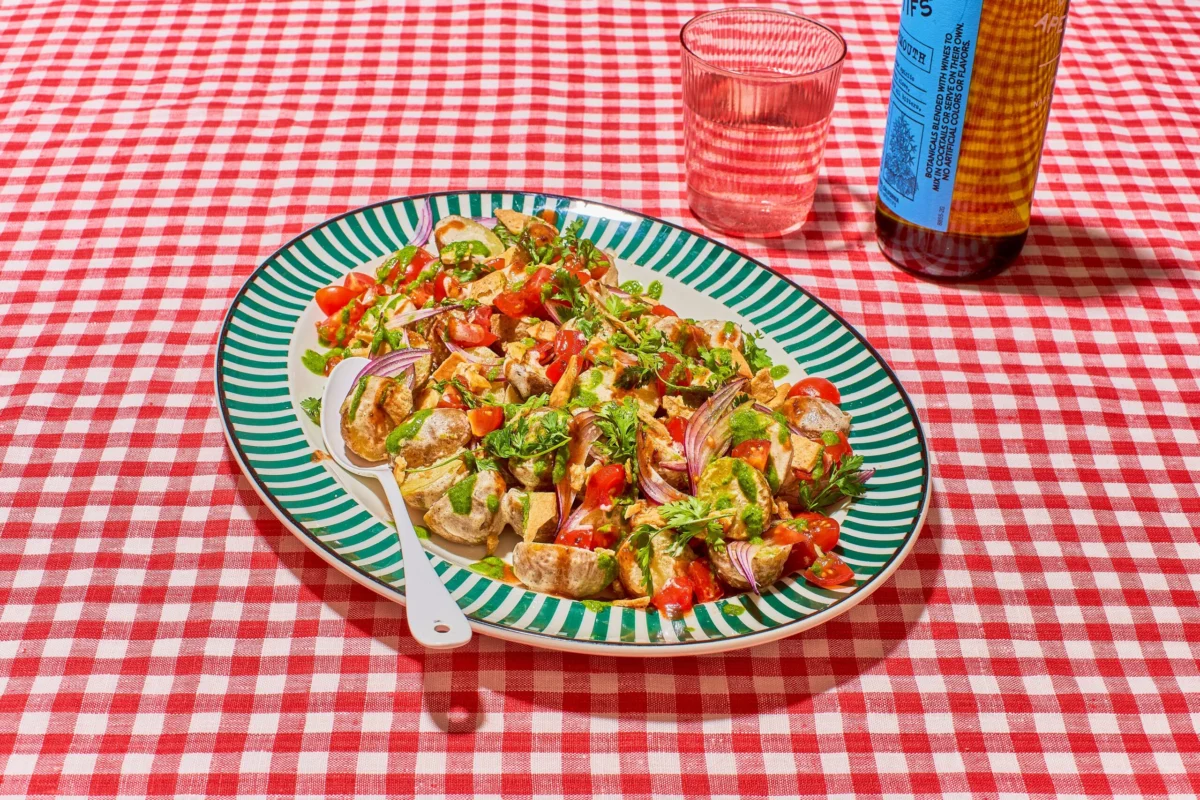
The potato salad remains a cornerstone of global culinary traditions, serving as a versatile staple that bridges the gap between casual outdoor dining and sophisticated gastronomy. While often relegated to the status of a side dish, its presence at summer cookouts, picnics, and formal gatherings underscores a complex history of migration, agricultural development, and culinary innovation. From the creamy, mayonnaise-based iterations found at American barbecues to the sharp, vinegar-laden versions of Central Europe, the potato salad represents a unique intersection of local ingredients and global influences. As modern chefs and home cooks continue to experiment with flavor profiles—incorporating everything from spicy Caesar dressings to everything bagel seasonings—the dish has evolved into a canvas for culinary expression that reflects broader shifts in dietary preferences and food culture.
Historical Context and the Chronology of the Potato Salad
The history of potato salad is inextricably linked to the global journey of the potato itself. Indigenous to the Andean region of South America, the potato was introduced to Europe by Spanish explorers in the 16th century. Initially met with suspicion, the tuber eventually became a dietary mainstay across the continent. The specific concept of a "potato salad" began to take shape in the 17th and 18th centuries, primarily within Germanic regions. The traditional German Kartoffelsalat was typically prepared with boiled potatoes, vinegar, oil, salt, pepper, and often bacon, served either warm or at room temperature.
By the 19th century, German immigrants brought these recipes to the United States, where the dish underwent significant transformations. The introduction of commercially produced mayonnaise in the early 20th century marked a pivotal shift in the American culinary landscape. This led to the creation of the "classic" creamy potato salad that became synonymous with American picnic culture. Over the decades, the chronology of the dish has seen a diversification of ingredients, moving from simple root vegetable preparations to complex assemblies featuring fresh herbs, exotic spices, and diverse textures.
Categorical Classifications: From Classic Creamy to Vinaigrette-Based Profiles
Culinary experts generally categorize potato salads into two primary families: those defined by an emulsion of fat (usually mayonnaise or sour cream) and those defined by an acid-forward dressing (typically vinegar or citrus-based).
The Creamy Tradition
The mayonnaise-based potato salad is the dominant variety in North America. It often includes hard-boiled eggs, celery, onions, and relish. This version is designed to provide a cooling contrast to grilled meats such as porterhouse steaks, burgers, and hot dogs. In recent years, this category has expanded to include "smashed" potato salads, which utilize the starchy interior of the potato to create a naturally creamy texture, often supplemented with bacon and sour cream to mimic the flavor profile of a loaded baked potato.

The Vinaigrette and Mustard-Based Variations
Alternative versions of the dish eschew mayonnaise entirely, favoring punchy vinaigrettes or sharp mustards. These recipes often draw inspiration from French and German traditions, utilizing Dijon mustard, shallots, and fresh herbs like tarragon or chives. This style is frequently preferred for its resilience in high temperatures, making it a safer and more practical choice for outdoor events where refrigeration may be limited.
Modern Culinary Innovations and the Diversification of Flavor
Recent trends in the culinary industry indicate a move toward "fusion" potato salads that incorporate elements from other iconic dishes. This diversification suggests that the potato has a nearly limitless "range" in terms of flavor compatibility.
- The Caesar Influence: Some modern iterations utilize a spicy Caesar dressing, blending the salty, umami notes of anchovies and parmesan with the heartiness of boiled potatoes. This represents a merging of two distinct salad traditions.
- The "Everything Bagel" Synthesis: Reflecting the widespread popularity of "everything" seasoning, some recipes now include sesame seeds, poppy seeds, dried garlic, and onion, often accompanied by lox and cream-cheese-based dressings. This elevates the dish from a simple side to a brunch-style centerpiece.
- Textural Contrast: The use of unconventional toppings, such as crushed potato chips, highlights a growing interest in textural play. By adding a crunchy element to the soft, starchy base, chefs create a more engaging sensory experience.
Supporting Data: Economic and Seasonal Consumption Patterns
Data from agricultural and retail sectors indicate that potato consumption spikes significantly during the summer months in the Northern Hemisphere. According to the United States Department of Agriculture (USDA), potatoes remain the most consumed vegetable in the U.S., with a substantial portion of sales during the second and third quarters attributed to outdoor dining preparations.
Retail analysis shows that sales of condiments associated with potato salad—such as mayonnaise, prepared mustards, and vinegars—see a correlated increase of approximately 15% to 25% in the weeks leading up to major holidays like Memorial Day, the Fourth of July, and Labor Day. Furthermore, the "prepared foods" section of grocery stores has seen a 10% year-over-year growth in gourmet potato salad offerings, suggesting that consumers are increasingly looking for complex, chef-driven versions of the dish rather than standard commercial options.
Professional Perspectives and Culinary Analysis
Culinary historians and professional chefs observe that the potato salad’s enduring popularity is due to its "anchoring" quality. In a spread of side dishes, the potato salad provides a dense, caloric foundation that complements lighter fare like green salads or fruit platters.
"The potato salad is essentially the social glue of the American cookout," notes one industry analyst. "It is a dish that requires minimal specialized equipment to prepare in bulk, yet it allows for infinite customization based on regional preferences or dietary restrictions."

From a technical standpoint, the choice of potato variety is critical to the success of the dish. Waxy potatoes, such as Red Bliss or New Potatoes, are preferred for salads where the tubers must remain intact. Starchy potatoes, like Russets, are better suited for "smashed" styles where a fluffier, more integrated texture is desired. This technical nuance is a frequent point of discussion among culinary professionals aiming to optimize the "vibe" and mouthfeel of the final product.
The Sociological Impact of the "Function"
In contemporary parlance, the "function"—referring to a social gathering, party, or community event—is where the potato salad truly shines. Sociologically, the dish serves as a communal offering. Because it is rarely served in individual portions and is instead presented in large bowls for shared service, it fosters a sense of community and egalitarianism.
The presence of specific variations of potato salad often serves as a cultural marker. For instance, the inclusion of certain spices or the temperature at which the salad is served can indicate a family’s heritage or regional roots. This makes the dish not just a source of nutrition, but a medium for cultural storytelling and identity.
Broader Implications and Future Outlook
As global temperatures rise and the frequency of outdoor dining increases, the evolution of the potato salad is expected to continue. There is a growing movement toward plant-based and allergen-friendly versions of the dish. The substitution of traditional mayonnaise with avocado-based oils or vegan aquafaba-based dressings is becoming more common as consumers become more health-conscious and environmentally aware.
Furthermore, the "no-oven" trend—preparing meals without increasing indoor temperatures during heatwaves—has solidified the potato salad’s role as a dinner staple. By boiling potatoes during cooler morning hours and assembling the salad for later consumption, households can manage energy use while maintaining high-quality meal standards.
In conclusion, the potato salad is far more than a simple accompaniment to grilled meat. It is a historically significant, economically impactful, and culinarily diverse dish that reflects the ingenuity of cooks across centuries. Whether it is a classic creamy version meant for a backyard barbecue or a modern, chip-topped innovation, the potato salad remains an essential component of the global food landscape, demonstrating an unparalleled ability to adapt to changing tastes and social contexts. As we look toward future culinary trends, the potato’s range ensures that it will remain a centerpiece of the "function" for generations to come.