Ferry Irwandi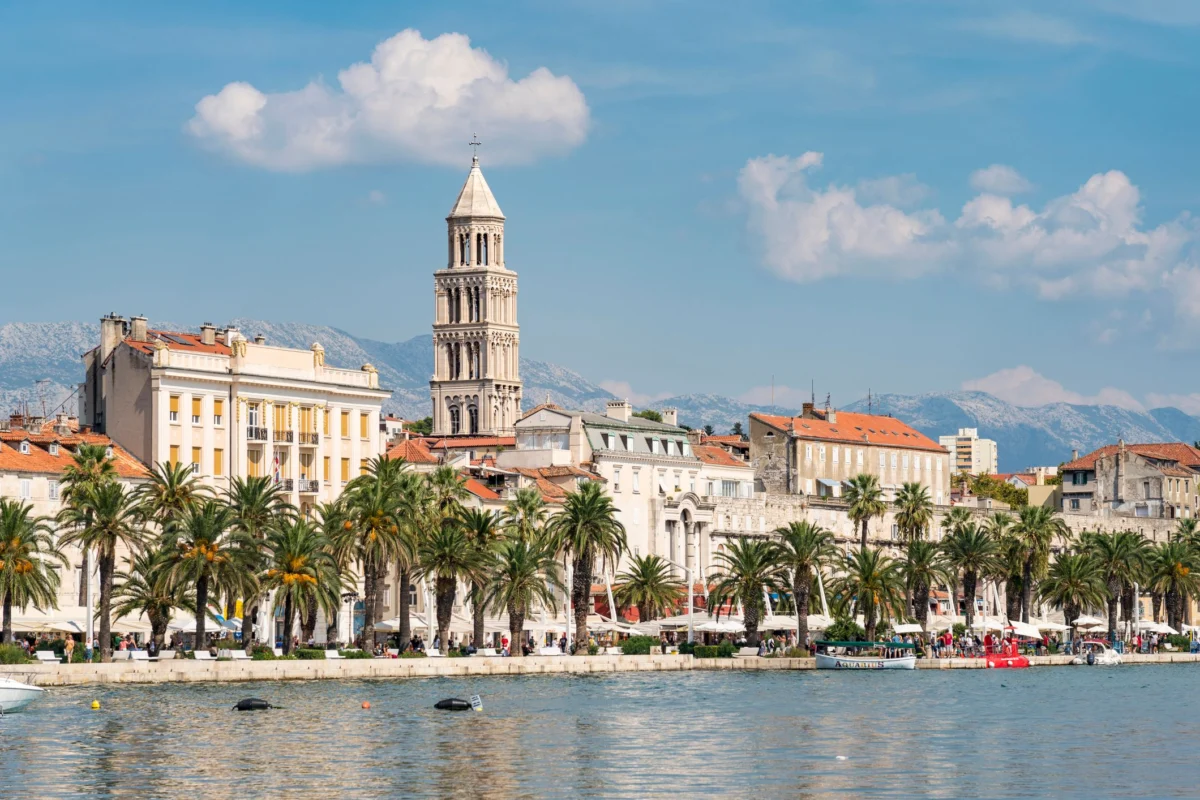
The strategic expansion of transatlantic flight routes is set to redefine American tourism in the Adriatic, centered on the launch of United Airlines’ nonstop service from Newark Liberty International Airport to Split, Croatia, on April 30, 2026. This logistical milestone marks the first-ever direct gateway between the United States and Central Dalmatia, providing seamless access to a region that has long been a focal point of Mediterranean history and culture. The introduction of this route reflects a broader trend of increasing American interest in Croatia, which has seen a steady rise in visitor numbers following the country’s accession to the Schengen Area and the Eurozone in early 2023. As travelers move beyond the traditional hubs of Western Europe, the Dalmatian Coast offers a unique confluence of Roman heritage, maritime tradition, and the "pomalo" philosophy—a local cultural pillar emphasizing an unhurried, intentional approach to daily life.
The Evolution of Dalmatian Infrastructure and Tourism
The Dalmatian Coast, spanning approximately 200 miles of the southern Croatian shoreline, is characterized by its rugged karst topography and a dense archipelago of hundreds of islands. Historically, the region served as a vital maritime link for the Roman, Venetian, and Ottoman empires, each leaving behind a distinct architectural and culinary imprint. In the modern era, the region has transitioned from a seasonal destination for European holidaymakers to a year-round interest for global travelers. The 2026 United Airlines route is expected to bolster this transition, bringing high-spending North American tourists directly to the heart of the coast.

Industry analysts note that the Newark-Split route is a response to the capacity constraints observed in Dubrovnik, which has historically been the primary entry point for Americans. By diverting traffic to Split, the Croatian National Tourist Board (HTZ) aims to distribute economic benefits more evenly across the region while mitigating the pressures of over-tourism in the far south. Local hospitality leaders have expressed optimism regarding the new route, anticipating that it will extend the traditional tourist season into the shoulder months of April and October, thereby stabilizing the local labor market and supporting sustainable growth.
Split: The Living Urban Palimpsest
Split, the second-largest city in Croatia and the administrative center of the Split-Dalmatia County, serves as the primary gateway for island-bound travelers. The city’s identity is inextricably linked to Diocletian’s Palace, a UNESCO World Heritage site commissioned by the Roman Emperor Diocletian at the turn of the 4th century. Unlike many archaeological sites that exist as static museums, Diocletian’s Palace remains a living entity, housing approximately 3,000 residents within its ancient walls and hosting a vibrant array of shops, cafes, and hotels.
Historical and Cultural Landmarks
A comprehensive exploration of Split begins within the Peristil, the palace’s central square, where the architectural transition from Roman columns to Venetian facades is most visible. Nearby, the Klis Fortress, situated on a mountain pass 20 minutes from the city center, provides a deeper historical context. Having served as a defense against Mongol and Ottoman invasions, the fortress gained modern notoriety as a filming location for "Game of Thrones," contributing significantly to the "screen tourism" phenomenon that has bolstered the local economy.

For a perspective on 20th-century Croatian identity, the newly renovated Meštrović Gallery on Marjan Hill showcases the work of Ivan Meštrović, arguably the nation’s most influential sculptor. The gallery, housed in the artist’s former summer residence, serves as a testament to the enduring relevance of classical form in modern Mediterranean art.
Culinary Integration and Local Markets
The culinary landscape of Split is governed by the principles of the Mediterranean diet, recognized by UNESCO as Intangible Cultural Heritage. The "Pazar" (Green Market) and the "Peškarija" (Fish Market) remain the epicenters of local commerce. Professional chefs and home cooks alike gather daily to source seasonal produce, Dalmatian olive oils, and fresh catches from the Adriatic. The regional cuisine is characterized by dishes such as "soparnik"—a savory chard-filled pastry—and slow-cooked veal risotto, often paired with robust red wines like Plavac Mali, a relative of the American Zinfandel.
Brač: Limestone, Altitude, and Marine Topography
Located an hour’s ferry ride from Split, the island of Brač is renowned for its distinctive white limestone, which was used in the construction of Diocletian’s Palace and, notably, parts of the White House in Washington, D.C. Brač offers a more diverse topographical experience than its neighbors, featuring both the highest peak in the Adriatic islands and some of the region’s most famous coastal features.

Active Tourism and the Vidova Gora Peak
The town of Bol, located on the southern coast, has emerged as a hub for active tourism. The "riva," or seaside promenade, serves as a starting point for e-biking and hiking excursions. The ascent to Vidova Gora, rising 778 meters above sea level, provides a panoramic view of the surrounding archipelago, including the islands of Hvar and Vis. On days of high visibility, the Italian coastline is discernible across the Adriatic. This focus on active travel aligns with global shifts toward health-conscious and experiential tourism.
The Zlatni Rat Phenomenon
Bol is also home to Zlatni Rat (Golden Horn), a pebble beach whose shape shifts according to the prevailing winds and currents. While Zlatni Rat is a significant driver of tourism revenue, local authorities have implemented measures to manage crowds during peak months, encouraging visitors to explore more secluded alternatives like Murvica. This shift is part of a broader strategy to preserve the island’s environmental integrity while maintaining its status as a premier beach destination.
Agricultural Heritage: Wine and Oil
The interior of Brač remains deeply rooted in agriculture. The Olive Oil Museum in the village of Škrip documents the island’s millenary tradition of olive cultivation, featuring antique hydraulic presses and offering tastings of extra virgin oils. Similarly, the Stina Winery in Bol demonstrates the modernization of Dalmatian viticulture, utilizing indigenous grapes like Pošip and Vugava to produce wines that compete on the international stage.

Šolta: A Case Study in the "Pomalo" Philosophy
While Split and Brač have adapted to higher volumes of tourism, the island of Šolta remains a bastion of the traditional Dalmatian lifestyle. With a permanent population of approximately 1,500, Šolta is characterized by its rugged coastline, wild olive groves, and a total absence of traffic signals. The island exemplifies the "pomalo" philosophy, an ethos that prioritizes social cohesion and leisure over industrial efficiency.
Environmental Stewardship and Beekeeping
Šolta is globally recognized for its honey production, specifically the Olynthio rosemary honey. The Tvrdic Honey estate serves as an educational center, highlighting the critical role of pollinators in the Mediterranean ecosystem. This focus on biodiversity and traditional crafts has made Šolta a destination for eco-conscious travelers seeking an authentic connection to the land.
Nautical Tourism and Boutique Hospitality
The village of Maslinica, located on the western tip of the island, has become a premier destination for nautical tourism. The Martinis Marchi castle, an 18th-century structure restored into a boutique hotel, anchors the harbor. The presence of a 50-bay marina allows for the integration of luxury yachting with local heritage, providing a high-end experience that remains respectful of the island’s scale and character.

Chronology of Regional Development
To understand the current state of Dalmatian tourism, one must look at the timeline of its integration into the global market:
- 305 AD: Completion of Diocletian’s Palace, establishing Split as a permanent urban center.
- 1979: Split’s historic core is designated a UNESCO World Heritage site.
- 2013: Croatia joins the European Union, initiating a decade of infrastructure upgrades.
- 2023: Croatia enters the Schengen Area and adopts the Euro, removing travel barriers for European neighbors and simplifying financial transactions for international visitors.
- 2026 (April 30): United Airlines launches the Newark-Split nonstop service, marking a new era of North American connectivity.
Data and Economic Implications
Tourism accounts for approximately 20% of Croatia’s GDP. In 2023, the country recorded over 20.6 million arrivals and 108 million overnight stays. American tourists represent one of the fastest-growing segments, with a preference for cultural heritage and luxury island experiences. The Newark-Split route is projected to increase American arrivals in Central Dalmatia by an estimated 15-20% in its first year of operation.
The economic impact extends beyond the aviation sector. Increased connectivity drives demand for high-end boutique accommodations, such as Hotel Vestibul Palace in Split and Martinis Marchi on Šolta. Furthermore, it supports the "agroturizam" (agritourism) sector, where family-owned farms like Agroturizam Kaštelanac provide direct-to-consumer sales of wine and oil, ensuring that tourism dollars reach local producers.

Broader Impact and Conclusion
The opening of direct flight paths from the United States to Split is more than a logistical convenience; it is a recognition of Dalmatia’s status as a top-tier global destination. However, this growth brings the challenge of balancing modernization with the preservation of the "pomalo" lifestyle. The success of the region in 2026 and beyond will depend on its ability to maintain the authenticity of its historic sites and the integrity of its natural environment while accommodating an increasingly global audience.
By emphasizing "slow travel" through e-biking on Brač, honey tasting on Šolta, and culinary education in Split, the region is positioning itself as a leader in sustainable Mediterranean tourism. For the visitor, the reward is a journey through a landscape where history is not merely found in books, but is lived daily on the sunbleached streets and sparkling waters of the Adriatic.