Danny Garick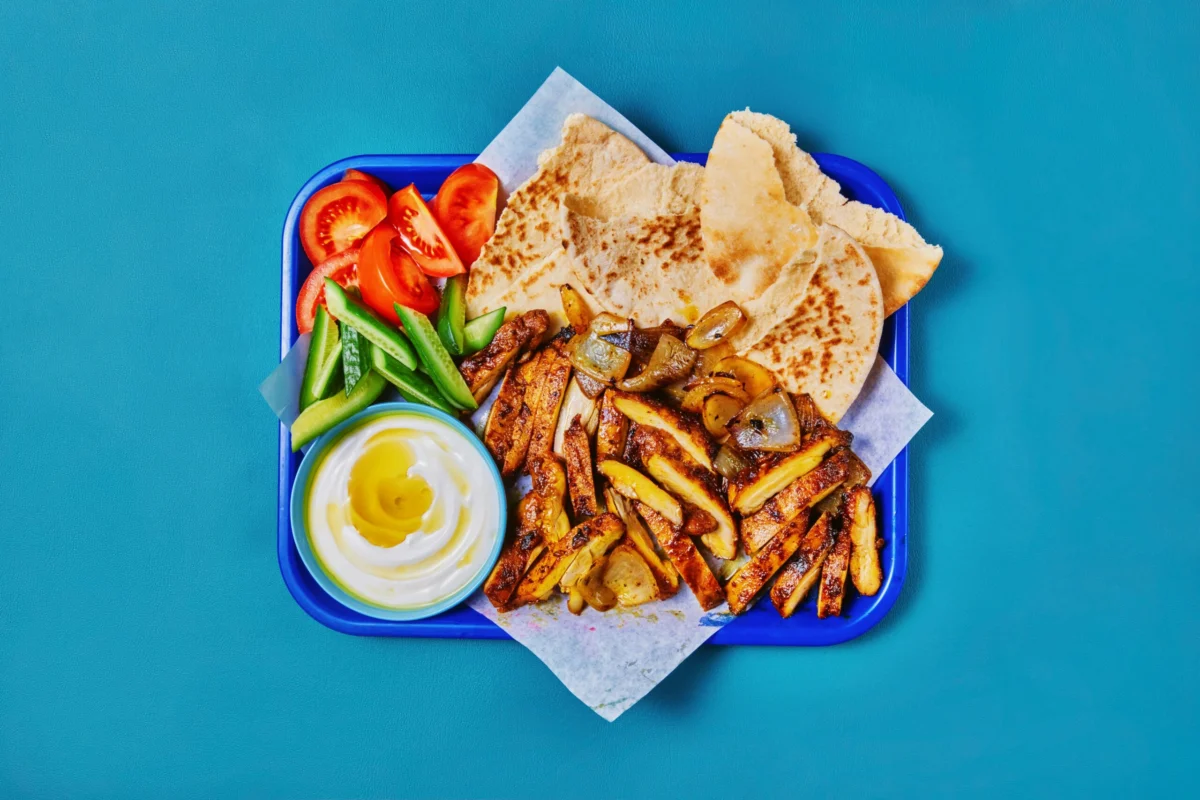
Mastering the Home Kitchen Broiler Shawarma as Global Interest in Levantine Cuisine Hits Record Highs has become a focal point for culinary experts and home cooks alike as the demand for authentic Middle Eastern flavors continues to surge across Western markets. While the traditional preparation of shawarma involves a vertical rotisserie—a method dating back centuries to the Ottoman Empire—modern domestic adaptations are revolutionizing how this dish is consumed. The latest culinary protocols emphasize the use of the home broiler to replicate the high-heat char of a professional spit, utilizing a specific blend of aromatics and high-fat-content proteins to ensure a restaurant-quality result within a standard kitchen environment.
The Evolution of the Vertical Spit: From Bursa to the Modern Kitchen
The origins of shawarma are deeply rooted in the 19th-century Ottoman Empire, specifically in the city of Bursa, where the concept of the doner kebab was first popularized. This technique of stacking seasoned meat on a vertical skewer and slicing it as it rotates against a heat source revolutionized the culinary landscape of the Levant. Over decades, the dish evolved into regional variations: the Greek gyro, the Mexican al pastor, and the Levantine shawarma.
Historically, shawarma was a street food staple, inaccessible to the home cook due to the specialized equipment required to achieve the necessary Maillard reaction—the chemical reaction between amino acids and reducing sugars that gives browned food its distinctive flavor. However, the shift toward "takeout-style" home cooking, accelerated by the global events of 2020-2022, has led to a refinement of domestic techniques. Culinary analysts note that the move from the vertical spit to the oven broiler represents a significant democratization of Levantine cuisine, allowing for a "fuss-free" preparation that maintains the integrity of the original dish.
Technical Specifications and Ingredient Profiles
The modern home-broiled shawarma relies on a precise ratio of spices and fats to mimic the slow-roasted depth of traditional versions. The foundational protein recommended by chefs is the skinless, boneless chicken thigh. Unlike the leaner breast meat, chicken thighs possess a higher connective tissue and fat content, providing the resilience needed to withstand the intense, direct heat of a broiler without dehydrating.
The chemical profile of the marinade is essential for both flavor and texture. A standard high-performance recipe calls for:
- Lipid Base: 1/4 cup plus 2 tablespoons of extra-virgin olive oil, which acts as a heat conductor and flavor carrier.
- Aromatic Profile: A combination of 1 tablespoon of garlic powder, 1 tablespoon of ground cumin, 2 teaspoons of ground coriander, 2 teaspoons of paprika, and 1 teaspoon of ground turmeric.
- Flavor Enhancers: 2 teaspoons of sugar (to accelerate caramelization under the broiler), 1/4 teaspoon of ground cinnamon for warmth, and kosher salt (approximately 2.5 teaspoons of Diamond Crystal or 1.25 teaspoons of Morton).
The inclusion of red or yellow onions, cut into 2-inch pieces and charred alongside the meat, provides a structural and flavor contrast. The onions release natural sugars that, when subjected to the 500°F+ temperatures of a broiler, create a smoky sweetness that complements the savory chicken.
The Science of the Garlic Yogurt Accompaniment
A critical component of the shawarma experience is the contrast between the hot, spiced meat and the cool, acidic condiments. The industry standard for a domestic version involves a tangy garlic yogurt sauce. This is typically composed of 1.5 cups of plain whole-milk Greek yogurt mixed with two finely grated garlic cloves.
From a nutritional and chemical perspective, the yogurt serves multiple purposes. The lactic acid in the yogurt provides a sharp counterpoint to the heavy spices (cumin and coriander), while the fat content in the whole milk yogurt helps to dissolve the fat-soluble compounds found in the turmeric and paprika, making the flavors more perceptible to the palate. Furthermore, the use of fresh, grated garlic—rather than powdered—introduces allicin, which provides a pungent "bite" that defines the authentic shawarma profile.
Market Trends: The Rise of Middle Eastern Flavors
The shift toward home-prepared shawarma is reflected in global market data. According to recent consumer reports, the Middle Eastern food market is projected to grow at a Compound Annual Growth Rate (CAGR) of 6.4% through 2028. This growth is driven by an increasing consumer preference for "clean label" foods and the perceived health benefits of the Mediterranean diet.
Data from spice importers indicates a 15% year-over-year increase in the sale of turmeric, cumin, and sumac in North America and Northern Europe. Analysts suggest that as consumers become more educated on the medicinal properties of these spices—such as the anti-inflammatory benefits of curcumin found in turmeric—their integration into daily cooking becomes more frequent.
Chronology of a "Faster Than Delivery" Meal
The efficiency of the broiler method has redefined the timeline of weeknight dinners. A comparative analysis of the shawarma preparation process versus modern food delivery logistics reveals a significant time advantage for the home cook:
- Preparation (10–15 minutes): Slicing the chicken thighs and tossing them in the oil-and-spice emulsion. Unlike traditional recipes that require overnight marination, the high-intensity heat of the broiler allows for immediate cooking as the spices bloom rapidly under direct flame.
- Cooking (12–18 minutes): The chicken and onions are spread on a sheet pan and placed under the broiler. This phase requires minimal intervention, aside from an occasional toss to ensure even charring.
- Assembly (5 minutes): While the meat rests, the yogurt sauce is whisked, and fresh vegetables (tomatoes and cucumber spears) are sliced.
- Total Time: Approximately 30–40 minutes.
In contrast, the average food delivery time in urban centers currently ranges from 45 to 60 minutes, often resulting in a product that has lost its structural integrity (soggy bread) and temperature during transit.
Health and Nutritional Implications
The transition from traditional street-food shawarma to a controlled home version offers substantial health benefits. Commercial shawarma is often high in sodium and may contain processed fat additives to keep the meat moist on the spit for extended periods.
A home-cooked version using the broiler method allows for:
- Sodium Control: By using specific measurements of kosher salt, home cooks can reduce sodium intake by up to 40% compared to restaurant versions.
- Probiotic Integration: The use of Greek yogurt provides a source of protein and probiotics, which are often absent in the commercial "white sauce" (which may be mayonnaise-based).
- Vegetable Density: The inclusion of fresh cucumber and tomato adds essential vitamins (A, C, and K) and hydration to the meal.
Dietitians point out that the combination of lean protein (chicken), healthy fats (olive oil), and complex carbohydrates (whole-wheat pita) aligns with the Gold Standard of heart-healthy eating patterns.
Expert Reactions and Culinary Analysis
Culinary historians and professional chefs have noted that the success of the broiler-shawarma method lies in its "resilience to overcooking." Chef-instructors emphasize that the chicken thigh is the "insurance policy" of the dish. "The broiler is an unforgiving heat source," says one industry consultant. "By selecting a high-fat cut like the thigh and pairing it with a moisture-retaining marinade of oil and spices, the home cook can achieve the crispy edges and tender interior that were once thought to be the exclusive domain of the rotisserie."
Furthermore, the addition of sugar to the spice mix has been lauded as a "pro-tip" that bridges the gap between domestic and professional results. The sugar caramelizes at a lower temperature than the meat proteins, ensuring a dark, flavorful crust is formed before the interior of the chicken becomes dry.
Broader Impact on Global Food Culture
The popularity of this "fuss-free" shawarma recipe is indicative of a broader trend: the "gourmetization" of the home kitchen. As social media platforms continue to circulate high-definition culinary content, the barrier to entry for complex international dishes has lowered.
The broiler shawarma represents more than just a meal; it is a case study in how traditional cultural artifacts adapt to modern technology and lifestyle constraints. By utilizing the tools already present in most kitchens—the oven, the sheet pan, and basic spices—the essence of Levantine hospitality and flavor is being preserved and propagated in a new, global context.
As the food industry continues to evolve, the emphasis is expected to remain on "high-impact, low-effort" recipes that do not sacrifice authenticity for speed. The broiler shawarma stands as a primary example of this balance, proving that even the most ancient of cooking traditions can find a permanent place in the fast-paced rotation of the modern weeknight dinner.