Danny Garick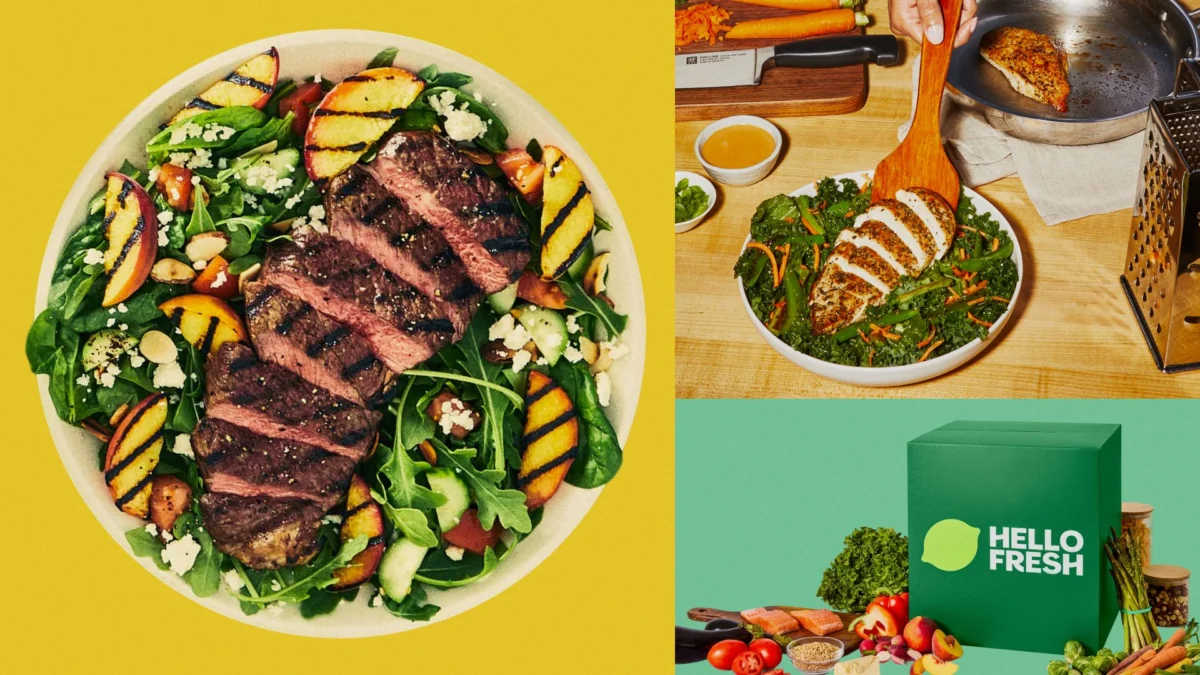
The Shift in the Direct-to-Consumer Culinary Landscape
The meal kit industry has undergone a radical transformation since its inception over a decade ago. Initially marketed as a way for busy professionals to avoid grocery shopping, the service model has evolved into a platform for culinary education and exploration. Market data suggests that the global meal kit delivery services market, valued at approximately $15.21 billion in 2021, is expected to expand at a compound annual growth rate (CAGR) of 17.4% through 2030. This growth is driven largely by the diversification of menu options and the integration of specialized dietary plans.
HelloFresh has maintained its competitive edge by pivoting away from the "one-size-fits-all" approach that once characterized the sector. By offering over 100 rotating weekly options, the service addresses the primary reason for customer churn: boredom. The inclusion of culturally diverse recipes—such as za’atar-crusted Halloumi, Peruvian chili-soy steak stir-fry, and moo shu pork bowls—signals a strategic move to capture a demographic that values "adventure-eating" within the home environment.
Logistics and Subscription Mechanics
The HelloFresh operational model is built on a foundation of flexibility and data-driven customization. Subscribers begin by selecting a plan tailored to their household size—ranging from two to six people—and their desired frequency of three to five meals per week. The pricing structure remains competitive within the premium segment, with entry-level plans starting at approximately $57 for two meals for two people.
Beyond volume, the service offers six distinct dietary tracks:
- Meat and Veggies: A standard omnivorous selection.
- Veggies: Focused on plant-based proteins and produce.
- Family-Friendly: Designed with milder flavors to appeal to children.
- Fit and Wholesome: Recipes generally containing around 650 calories or less.
- Under 20 Minutes: Prioritizing speed for time-constrained households.
- Pescatarian: A seafood-forward approach excluding land-based meats.
Each delivery arrives in an insulated box equipped with heavy-duty ice packs, a necessity for maintaining food safety during the 8:00 a.m. to 8:00 p.m. delivery window. This logistical framework allows for a "set it and forget it" user experience, where ingredients are pre-measured to reduce the cognitive load of meal planning and the physical labor of ingredient sourcing.
The August 4 Relaunch: "ReFreshed" Menu Strategy
In a significant move to respond to consumer feedback, HelloFresh is set to launch a comprehensive "ReFreshed" menu on August 4. This initiative represents a substantial overhaul of the brand’s core offerings and is intended to raise the baseline of quality across its entire portfolio. According to Assaf Ronen, President of HelloFresh Group, the menu evolution is a direct response to the accelerating pace of innovation in the food-at-home sector.
"This menu evolution is designed to bring more enjoyment and excitement to home cooking by making it easier than ever to cook delicious meals any day of the week—and it’s just the beginning," Ronen stated. "With more than double the amount of new recipes launching each week, including restaurant-quality ingredients and bold global flavors, our pace of innovation is only accelerating."
Key features of the August 4 relaunch include:

- Increased Portion Sizes: Addressing a common industry critique regarding the heartiness of servings.
- Enhanced Nutritional Value: A focus on higher protein content and superior vegetable quality.
- Expanded "Quick and Easy" Categories: Over 25 new options per week, including one-pan recipes and an expanded "Ready Made" line for microwave-ready meals.
- Customization Flexibility: New options for swapping sides, upgrading proteins, and adding appetizers or desserts to standard orders.
Performance Analysis: Testing the Professional Kitchen Claim
To evaluate the efficacy of HelloFresh’s current offerings, a week-long trial was conducted involving a variety of meal types, ranging from labor-intensive stir-fries to heat-and-eat preparations. The results highlighted a clear distinction between HelloFresh and its more "predictable" competitors, though they also revealed some operational friction points.
Case Study 1: Sweet and Spicy Shrimp Lo Mein
This dish exemplified the brand’s move toward "vibrant and saucy" profiles. The recipe utilized professional-grade development techniques that ensured a balance of heat, sweetness, and acidity. While the preparation was straightforward—searing shrimp and vegetables before integrating pre-mixed sauces—the quality of the raw ingredients was notable. The shrimp arrived at a safe, ice-cold temperature, and the produce, specifically the bok choy and green beans, maintained structural integrity and freshness.
Case Study 2: Chicken and Spinach Couscous Salad
Designed for high-temperature summer evenings, this meal relied on textural contrast rather than complex cooking techniques. The inclusion of "Fry Seasoning" and toasted walnuts provided a depth of flavor often missing from standard meal kit salads. However, this recipe highlighted a consistent discrepancy in the service’s marketing: time management. While advertised as a 30-minute meal with five minutes of hands-on time, the actual preparation exceeded 35 minutes.
Case Study 3: Ready-Made Shrimp and Pesto Rotini
The "Ready Made" line represents HelloFresh’s foray into the convenience-first market. Unlike traditional frozen dinners, the pesto rotini utilized al dente pasta and fresh-tasting basil, accompanied by parboiled asparagus and a five-cheese blend. This product category serves as a strategic bridge for consumers who occasionally lack the time for even a 20-minute cooking process.
Operational Realities and User Challenges
Despite the culinary successes, the HelloFresh experience is not without its logistical hurdles. A recurring issue identified during testing involves the packaging of condiments and seasonings. The use of numerous small, plastic sachets—while effective for portion control—can become "agonizing" during the heat of a high-temperature sear or sauté. Furthermore, the "one-pot" promise is not universal. Many recipes require multiple bowls and pans, leading to a post-dinner cleanup process that may offset the time saved during the grocery shopping phase.
Analytical data suggests that users should generally add approximately 15 minutes to any advertised cook time to account for real-world variables, such as vegetable chopping speed and stove-top temperature variances. This "time-buffer" is a critical consideration for intermediate cooks who rely on the service for precise scheduling.
Sustainability and Corporate Responsibility Data
As environmental, social, and governance (ESG) criteria become increasingly important to modern consumers, HelloFresh has invested heavily in reducing its ecological footprint. The company reports a 63% reduction in carbon emissions at its production facilities since 2019. This has been achieved through a multi-pronged strategy:
- Renewable Energy: Transitioning facility power sources to wind and solar.
- Supply Chain Optimization: Utilizing a shorter supply chain to minimize "food miles" and logistics-related emissions.
- Waste Mitigation: Research published in the journal Resources, Conservation and Recycling indicates that using pre-portioned ingredients reduces total meal waste by approximately 38% compared to traditional grocery-bought dinners.
- Recyclability: HelloFresh claims that 90% of its packaging is now curbside recyclable, addressing a long-standing criticism of the meal kit industry’s reliance on single-use plastics and insulation.
The Bottom Line: Market Implications
HelloFresh has successfully transitioned from a basic meal delivery service to a culinary platform that prioritizes variety and professional-grade recipe development. The upcoming "ReFreshed" menu launch on August 4 signals the company’s intent to dominate the "premium-convenience" space by addressing historical pain points such as portion size and preparation speed.
For the broader food industry, the success of HelloFresh’s model suggests that the future of home dining lies in "outsourced curation." Consumers are proving willing to pay a premium for the elimination of decision fatigue and the assurance of global flavor profiles. While the service still requires a time commitment for cooking and cleanup, its ability to provide a "restaurant-at-home" experience makes it a formidable competitor to both traditional grocery stores and mid-range takeout services. As the brand continues to innovate with its "Ready Made" and "Quick and Easy" lines, the line between a "meal kit" and a "premium prepared meal" will likely continue to blur.