Reynand Wu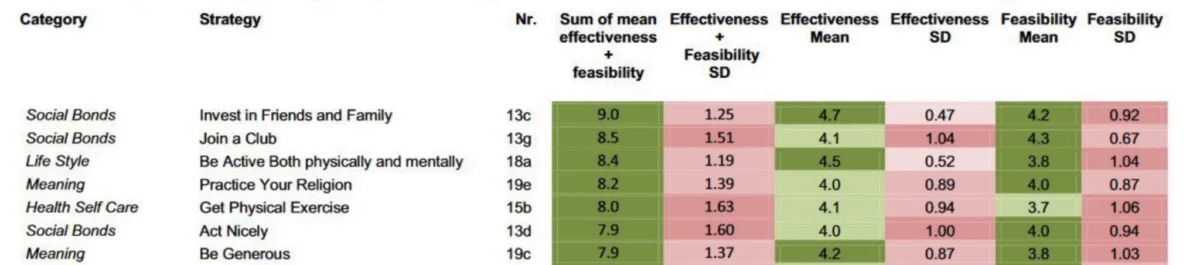
As the new year unfolds, marking another cycle in the ongoing global health crisis, a palpable sense of unease permeates societies worldwide. With fresh peaks in COVID-19 cases sweeping across nations, an underlying sentiment of weariness and despondency has become increasingly evident. This emotional toll is not merely anecdotal; robust sociological data points to a significant and sustained decline in self-reported happiness, a trend that warrants serious attention from policymakers, public health experts, and community leaders alike.
A Deeper Look at the Data: GSS and Beyond
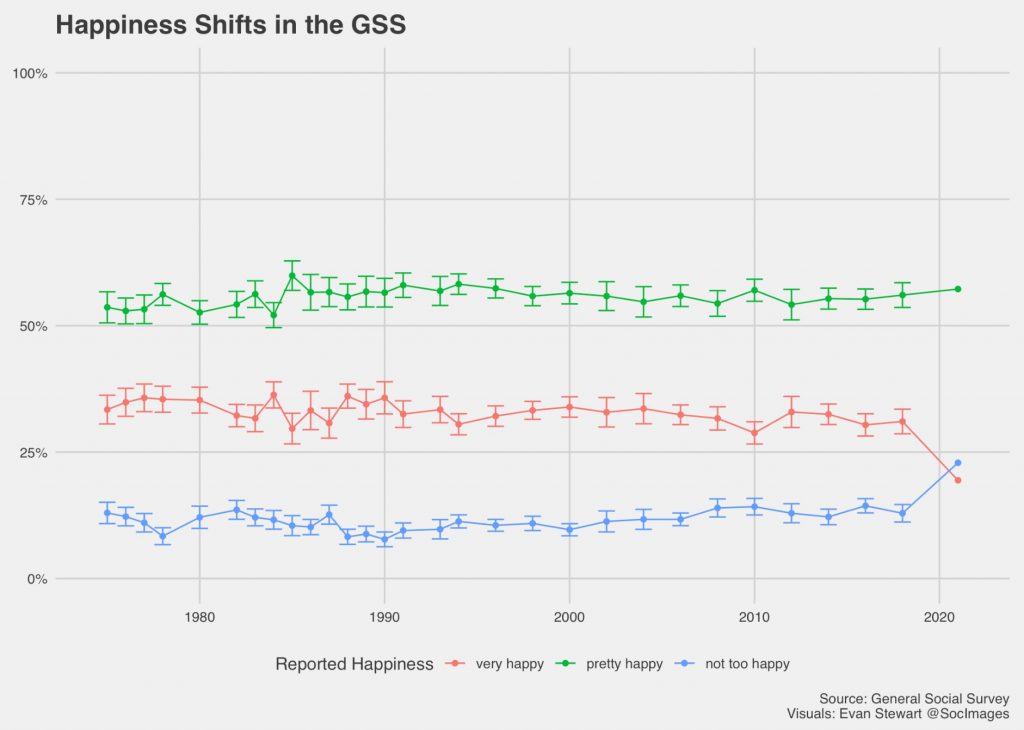
The General Social Survey (GSS), a seminal sociological study conducted by the National Opinion Research Center (NORC) at the University of Chicago, has long served as a vital barometer for tracking social trends and public opinion in the United States. Its most recent data release underscores a troubling continuation of a pattern first observed earlier in the pandemic: a notable drop in self-reported happiness among the American populace. For decades, the GSS has meticulously tracked various indicators of societal well-being, including responses to the question, "Taken all together, how would you say things are these days – would you say you are very happy, pretty happy, or not too happy?"
Prior to the pandemic, the percentage of Americans reporting themselves as "very happy" hovered consistently around 30-33%. However, early surveys during the initial phases of the COVID-19 outbreak in 2020 revealed a discernible dip in this figure, with a corresponding rise in those reporting being "not too happy." The newly released GSS data for 2021 indicates that this trend has not only persisted but potentially deepened. While specific figures for the latest release are still being thoroughly analyzed, early indications suggest a continued decline in the "very happy" category and an increase in the "not too happy" segment, aligning with preliminary pandemic tracking surveys conducted by NORC.
It is important to acknowledge that part of this observed shift in the GSS data could be influenced by methodological changes, specifically the survey’s transition to an online administration method. Researchers are carefully evaluating the extent to which this change might impact responses, as online surveys can sometimes yield different results compared to traditional in-person interviews. However, the consistency of the observed pattern with other pandemic-era surveys, which have also noted a decline in well-being, strongly suggests that the downward trend in happiness is a genuine societal phenomenon rather than merely an artifact of survey methodology.
This decline is not isolated to the United States. International reports and polls corroborate a global downturn in mental and emotional well-being. The World Happiness Report, for instance, has highlighted the profound impact of the pandemic on global well-being, noting increased anxiety, stress, and declines in life satisfaction across numerous countries. Data from the World Health Organization (WHO) and various national health agencies have also pointed to a significant rise in the prevalence of anxiety and depressive disorders since the onset of the pandemic, further underscoring the widespread nature of this mental health crisis.
The Persistent Pandemic and Its Ripple Effects on Well-being
The chronology of this decline in happiness is inextricably linked to the evolving trajectory of the COVID-19 pandemic. In early 2020, as the virus spread globally, initial lockdowns, economic uncertainties, and fear of illness triggered an immediate and sharp decline in public morale. Supply chain disruptions, unprecedented job losses, and the sudden shift to remote work and learning upended daily routines and social structures. The initial shock was profound, manifesting in increased stress levels, sleep disturbances, and a pervasive sense of isolation.
As 2020 progressed, many hoped for a swift resolution. However, the virus proved resilient, necessitating prolonged restrictions and ushering in a "new normal" characterized by masked interactions, social distancing, and a constant undercurrent of health anxiety. The development and rollout of vaccines in late 2020 and early 2021 offered a glimmer of hope, but this was soon tempered by the emergence of new variants, vaccine hesitancy, and the continuation of the pandemic’s disruptive effects.
By 2021, societies grappled with a different kind of pandemic fatigue. While some aspects of life began to normalize, the cumulative stress, the emotional toll of loss and uncertainty, and the persistent disruptions to social connection began to solidify into a more chronic state of diminished well-being. The economic fallout continued for many, with rising inflation impacting household budgets and exacerbating financial anxieties. The political and social polarization witnessed globally further strained community ties and trust, adding another layer of complexity to the collective emotional landscape. The GSS data for 2021, therefore, reflects a society contending with not just a health crisis but a prolonged period of psychological and social strain.
Expert Consensus: Social Bonds as the Antidote
Amidst this backdrop of declining happiness, a particular study making rounds in academic and policy circles offers a beacon of hope and a clear direction for intervention. This research, widely discussed on platforms like Twitter, involved interviews and surveys with leading experts in the field of happiness research. The objective was to synthesize their collective understanding of the academic literature and identify the most impactful strategies for enhancing life satisfaction. Two critical insights emerged from this expert consensus.
Firstly, the study notably ranked both personal solutions and policy solutions for improving life satisfaction. This dual focus is crucial because the discourse surrounding happiness often defaults to individualistic narratives, heavily influenced by the multi-billion-dollar self-help industry. While personal effort undoubtedly plays a role, framing happiness solely as an individual endeavor overlooks the profound impact of societal structures and collective well-being. The experts’ emphasis on policy solutions highlights that individual happiness is intricately linked to the broader social, economic, and political environment. Policies that foster supportive communities, ensure economic stability, and promote social equity are not just matters of justice but direct contributors to the happiness of citizens.
Secondly, and perhaps most strikingly, many of these experts’ top-ranked solutions unequivocally centered on the importance of social relationships. For personal solutions, two of the most highly rated suggestions were "investing in friends and family" and "joining a club or group." These recommendations underscore the fundamental human need for connection and belonging. Actively nurturing close personal ties and engaging in community activities provide individuals with vital support networks, a sense of purpose, and opportunities for shared experiences that are crucial for emotional resilience.
On the policy front, the experts’ consensus similarly gravitated towards initiatives that bolster social cohesion. Top policy recommendations included "promoting voluntary work or civil service" and "reducing loneliness." These suggestions move beyond individual actions, advocating for systemic approaches to foster community engagement and mitigate social isolation. The high level of agreement among experts regarding the value of social bonds—indicated by low standard deviations in their ratings—lends significant weight to these findings. It signals a robust scientific understanding that strong social ties are not merely desirable but are foundational to human well-being.
The Sociological Imperative: Connecting Individual Happiness to Collective Flourishing
These findings resonate deeply within the discipline of sociology. Sociology, at its core, seeks to understand how social structures, institutions, and interactions shape individual lives and collective experiences. The ongoing drop in happiness and the expert consensus on the primacy of social relationships powerfully validate the field’s relevance, particularly in challenging times. As introductory sociology courses grapple with how their field contributes to solving real-world problems, this research provides a compelling answer: by illuminating the intricate connections between individual well-being and collective societal health.
The idea that our happiness is not solely an internal state but is deeply embedded in our social fabric is a foundational sociological principle. Concepts like social capital, social support networks, and community integration have long been central to sociological inquiry. This expert study translates these academic concepts into actionable insights, moving them from theoretical discussions to practical policy considerations. It reinforces the argument that a society rich in social capital—characterized by strong community ties, trust, and reciprocity—is inherently more resilient and conducive to individual flourishing.
Sociologists like Émile Durkheim, in his seminal work on suicide, demonstrated centuries ago how social integration (or its lack thereof) profoundly impacts individual outcomes, including mental health. Modern sociological research continues to build on this, showing how social isolation and loneliness are not just unpleasant experiences but significant risk factors for various adverse health outcomes, including cardiovascular disease, dementia, and premature mortality, comparable in impact to smoking or obesity. Therefore, addressing declining happiness and promoting social connections becomes a matter of public health and societal stability, not just individual preference.
Policy Pathways to a More Connected Society
Given the expert consensus, concrete policy interventions designed to strengthen social relationships and reduce loneliness become critical. Governments and local authorities have a powerful role to play in creating environments that naturally foster connection.
One key area is urban planning and public space design. Policies that prioritize walkable neighborhoods, accessible public parks, community centers, and shared recreational facilities can create opportunities for spontaneous interactions and planned community activities. Investing in "third places"—spaces outside of home and work where people can gather informally, like libraries, cafes, and community gardens—can significantly enhance social cohesion.
Furthermore, policies promoting voluntary work and civil service can be instrumental. Governments can offer incentives, facilitate matching programs, and provide resources for organizations that rely on volunteers. Initiatives such as national service programs for young people, or community-based volunteering schemes for older adults, can not only address societal needs but also provide participants with a strong sense of purpose, belonging, and connection. The United Kingdom’s appointment of a Minister for Loneliness, while a novel approach, exemplifies a governmental recognition of social isolation as a serious public health issue requiring policy-level attention.
Educational institutions also have a role. Schools and universities can implement programs that foster a sense of belonging, encourage collaborative learning, and provide opportunities for extracurricular engagement. For adults, community education programs and skill-sharing workshops can serve as vital hubs for new connections.
Finally, economic policies that reduce precarity and inequality can indirectly support social connection. When individuals are burdened by financial stress, long working hours, and job insecurity, their capacity and time for social engagement are often severely limited. Policies supporting living wages, affordable housing, and accessible healthcare can alleviate these stressors, freeing up mental and emotional resources for building and maintaining relationships.
The Broader Implications: Rebuilding Social Capital for Resilience
The implications of declining happiness and the urgent need to rebuild social capital extend far beyond individual well-being. A society characterized by low levels of happiness and widespread social isolation is inherently more vulnerable to a host of other challenges. Reduced social cohesion can exacerbate political polarization, undermine civic engagement, and erode trust in institutions. It can hinder collective action on critical issues, from climate change to public health crises.
Conversely, a society with strong social bonds is more resilient. Communities where people know and trust each other are better equipped to respond to disasters, support vulnerable populations, and foster innovation. Investing in social relationships, therefore, is not merely about making individuals feel better; it is about strengthening the very fabric of society.
This perspective challenges the prevailing narrative that often prioritizes economic growth or individual achievement above all else. It suggests that a truly thriving society must also prioritize the less tangible, yet profoundly impactful, aspects of human connection and collective well-being. It underscores the necessity of an integrated approach to public policy, one that recognizes the interconnectedness of physical health, mental health, economic stability, and social vitality.
Conclusion: A Call for Integrated Action
The persistent drop in self-reported happiness, corroborated by comprehensive data like the General Social Survey and global well-being reports, serves as a stark reminder of the profound and often invisible toll exacted by prolonged periods of crisis. The expert consensus that emphatically points to social relationships as the most potent antidote to this decline offers a clear, evidence-based pathway forward. This is not a self-help fad but a critical social policy priority.
Addressing this "unseen epidemic" of unhappiness requires a concerted, multi-faceted effort. It necessitates a shift in perspective, acknowledging that our individual well-being is deeply intertwined with the health of our communities and the strength of our social bonds. By prioritizing policies that foster connection, promote civic engagement, and mitigate loneliness, societies can not only help individuals navigate tough times together but also build more resilient, vibrant, and ultimately happier futures. The time for integrated action, guided by sociological insights and expert consensus, is now.