Layla Zulfa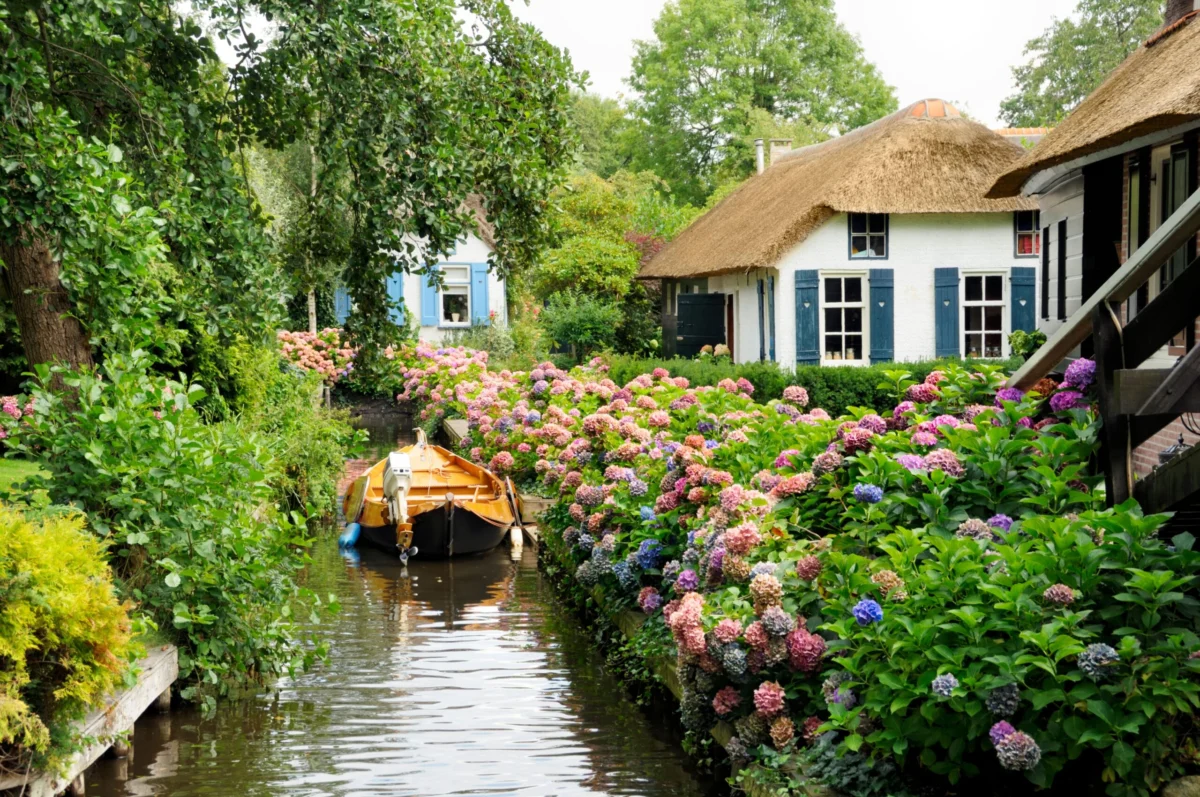
For centuries, the silhouette of a thatched cottage has served as the quintessential emblem of pastoral serenity, bridging the gap between historical necessity and contemporary architectural charm. While often romanticized as the backdrop for folklore and fairy tales, the practice of thatching—the covering of a roof with dry vegetation such as straw, water reed, sedge, or palm—represents one of the oldest and most sophisticated building techniques in human history. From the mist-covered villages of Japan’s mountainous regions to the wind-swept rural outposts of Chile and the quintessentially English hamlets of the Cotswolds, the persistence of the thatched roof is a testament to the enduring viability of sustainable, vernacular architecture.

A Chronology of Vernacular Engineering
The history of thatching is essentially the history of human shelter. Before the industrialization of construction materials, communities relied exclusively on locally sourced, organic matter to provide thermal protection and weather resistance.
In Northern Europe, the Neolithic period saw the first widespread adoption of reed and straw roofs. By the Middle Ages, thatching was the standard for all but the most elite stone structures in Europe. In the United Kingdom, the "Thatchers’ Guilds" emerged in the 13th century to regulate quality and fire safety, marking an early attempt at professional standardization.
In Asia, the technique evolved alongside the regional climate. In Japan, the kayabuki (thatched roof) style became synonymous with traditional farmhouses (minka). The technique utilized susuki (Japanese silver grass), which grows abundantly in the mountains. These structures were designed not only to repel heavy snowfall but to facilitate ventilation, as the homes often contained central hearths that required smoke to drift through the porous roof material, simultaneously curing the straw and preventing pest infestation.
The 19th century brought a decline in the prevalence of thatch due to the increased availability of fire-resistant materials like slate and tile, facilitated by the expansion of the railway network. However, the 21st century has seen a resurgence in the popularity of thatched structures, driven by a growing global interest in sustainable, carbon-neutral building practices.

The Technical Efficacy of Organic Roofing
Thatching is often misunderstood as a fragile or primitive method, yet scientific analysis suggests otherwise. A well-maintained thatched roof is remarkably durable, with life spans ranging from 20 to 60 years depending on the material and regional climate.
Water reed (Phragmites australis), often considered the gold standard in Europe, offers superior longevity compared to combed wheat straw. The internal structure of the reed is hollow and rigid, creating a naturally aerated layer that provides exceptional thermal insulation. In colder climates, this acts as a barrier against heat loss, while in tropical regions, the thickness of the material keeps interiors cool.

The environmental footprint of thatching is significantly lower than that of conventional roofing materials. Because the materials are plant-based, they are carbon-sequestering during their growth cycle. Furthermore, they are biodegradable and require minimal energy to process or transport when sourced locally. According to industry reports from the Thatching Advisory Services, a thatched roof can achieve a U-value (a measure of heat loss) that meets or exceeds current building regulations for new constructions, provided the roof is of sufficient thickness.
Global Case Studies: Preservation and Adaptation
The persistence of the thatched roof varies significantly by geography, influenced by climate, fire codes, and cultural preservation efforts.

The Cotswolds, England: In this region, thatching is not merely an aesthetic choice but a regulatory requirement in many conservation areas. The local planning authorities mandate the use of traditional materials to preserve the "Area of Outstanding Natural Beauty" designation. Master thatchers here often undergo multi-year apprenticeships, preserving a lineage of technique that has remained largely unchanged for centuries.
Shirakawa-go, Japan: This UNESCO World Heritage site is home to gasshō-zukuri farmhouses. The steep, thatched roofs—designed to resemble hands pressed in prayer—are replaced periodically by the entire community. This collaborative practice, known as yui, involves hundreds of residents working in unison to strip old thatch and apply new layers in a single weekend. It serves as a vital case study in social cohesion and architectural heritage management.

Chiloé Archipelago, Chile: In South America, the influence of European settlers mixed with indigenous building techniques to create a unique style of shingle-thatching. While less common than in the past, the use of native wood shingles and dried grasses remains a hallmark of traditional Chiloé architecture, specifically in the construction of the island’s famous wooden churches.
Challenges: Fire Safety and Insurance
The primary obstacle to the widespread adoption of modern thatch is fire safety. Thatch is naturally combustible, and historical disasters, including the destruction of countless medieval villages, have led to stringent local ordinances.

In many jurisdictions, thatching is heavily restricted or prohibited in high-density urban areas. However, modern innovations have mitigated these risks. Fire-retardant sprays and fire-resistant membranes—placed between the roof structure and the thatch—are now standard in modern restorations. These interventions allow homeowners to enjoy the aesthetic benefits of thatch without the prohibitive insurance premiums that previously rendered the style unsustainable for the average property owner.
Economic and Environmental Implications
The revitalization of the thatching industry carries broader implications for local economies and ecological management. The demand for high-quality reed has spurred a "circular economy" in several European countries, where wetlands are managed not just for biodiversity, but for the harvest of roofing materials.

From an economic perspective, the reliance on specialized labor creates a niche but stable market for artisans. The "Master Thatcher" remains a highly skilled professional whose work cannot be automated. As the construction industry faces pressure to move away from carbon-intensive materials like steel and concrete, there is a growing discourse among architects regarding the viability of "biophilic design," where traditional, natural materials are integrated into modern, high-performance homes.
Official Responses and Future Outlook
Planning departments and heritage organizations, such as Historic England and the Japan National Tourism Organization, have acknowledged that the preservation of thatched landscapes is essential for cultural identity. However, they also emphasize the need for "adaptive reuse." This involves retrofitting traditional roofs with modern insulation technologies to ensure they remain functional for contemporary living standards.

Experts note that while the cost of installing a thatched roof remains higher than synthetic alternatives—due to the labor-intensive nature of the installation—the long-term maintenance costs are offset by the longevity of the materials and the energy savings provided by natural insulation.
As the world looks toward 2050 climate goals, the humble thatched roof—once dismissed as a relic of the past—is being re-evaluated as a potential component of a sustainable future. By blending the ancient wisdom of natural materials with modern fire-suppression technology, the thatched village remains not just a picturesque destination for travelers, but a viable model for environmentally conscious living.

The survival of these villages is not guaranteed, however. It relies on a continuous investment in apprenticeship programs, the protection of wetlands that provide raw materials, and a regulatory framework that encourages, rather than penalizes, the use of organic building methods. As long as these conditions are met, the thatched roof will continue to stand as a testament to the endurance of traditional craftsmanship in a rapidly changing world.