
 Ronny Sianturi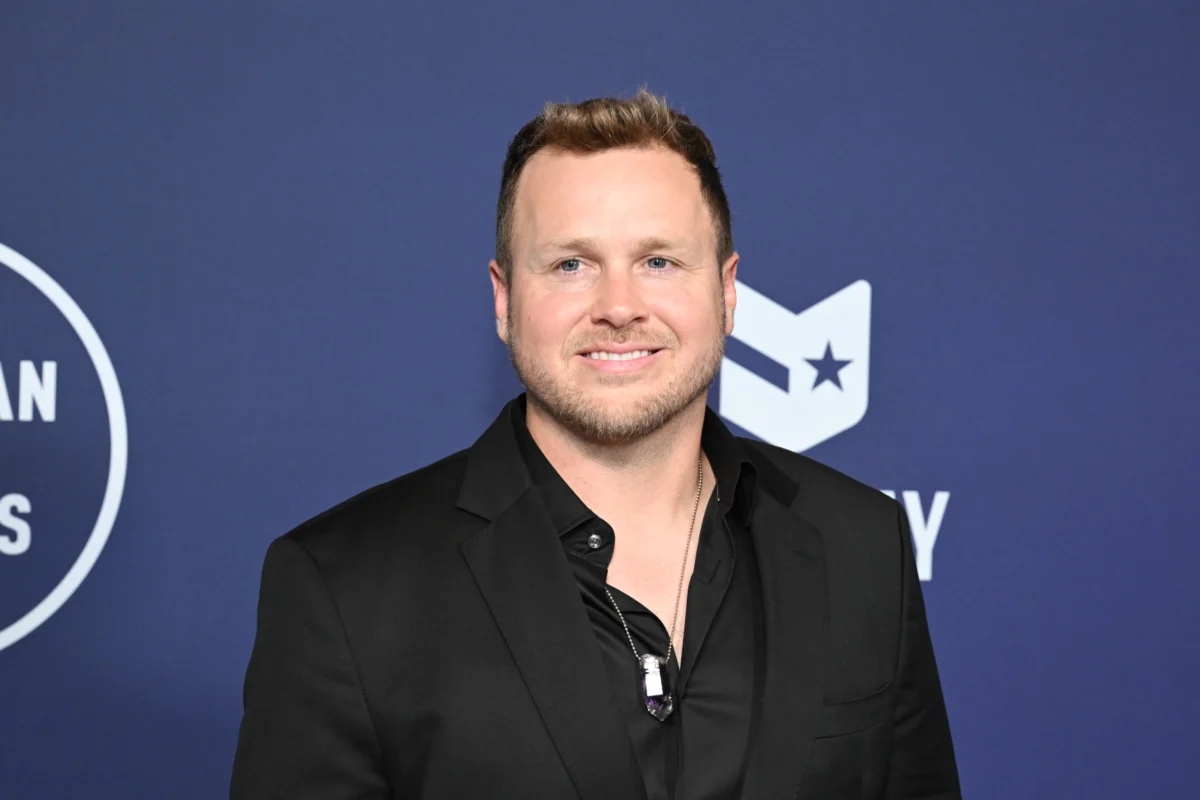
In a political landscape often dominated by seasoned politicians and established figures, Los Angeles is witnessing a fascinating, and for some, a deeply unconventional, shift in its electoral dynamics. With approximately half of the votes meticulously counted in the city’s mayoral primary, Spencer Pratt, a figure widely recognized for his prominent role in the early 2000s reality television phenomenon "The Hills," has secured a surprising second-place standing. This development, if it holds, could pave the way for a general election showdown that promises to be as captivating as any scripted drama, pitting the reality TV personality against the incumbent, Mayor Karen Bass.
Pratt currently commands a significant 30% of the vote, establishing a nine-point lead over his closest rival, progressive City Council member Nithya Raman, who trails in third place. While a substantial number of ballots still await tabulation, the current trajectory suggests a potential runoff election between Pratt and Mayor Bass, who is leading the field with 37% of the vote. This scenario, a stark departure from typical mayoral contests, would undoubtedly inject an unprecedented level of celebrity wattage and cultural commentary into the city’s political discourse, a far cry from the policy-heavy debates that usually define such races. The prospect of such a contest has already ignited conversations about the evolving nature of political celebrity and the influence of media personalities in shaping public opinion and electoral outcomes.
A Campaign Defined by Contrasting Personalities and Public Perceptions
The potential general election battle between Pratt and Bass is being characterized by many as one of the most fiercely contested and visually striking contests the city has encountered in decades. Pratt, who has cultivated a public persona as a political provocateur and "gadfly," has not shied away from aggressively challenging Mayor Bass throughout the primary campaign. His tactics have included the reposting of viral videos that depict Bass in unflattering ways, notably as a rendition of the iconic comic book villain "The Joker," and sharp criticisms of her administration’s handling of pressing issues such as the pervasive wildfires, the escalating homelessness crisis, and the persistent housing affordability challenges that plague Los Angeles.
Initially, Mayor Bass appeared to largely dismiss Pratt’s campaign efforts. However, as his standing in the polls solidified, her office began to engage more directly with his candidacy. In a notable shift, Bass recently referred to Pratt as a "TV reality star villain," a direct acknowledgment of his background and a clear attempt to frame him as an unqualified candidate unsuited for the complexities of governing a major metropolitan city. This exchange highlights a central theme of the campaign: the juxtaposition of established political experience against the disruptive force of a media-savvy outsider.
Further complicating the narrative is Pratt’s association, however tenuous, with former President Donald Trump. While Trump publicly endorsed Pratt, the reality TV star has, in a move that underscores his independent and often contrarian approach, reportedly rebuffed the endorsement. This complex interplay of endorsements and rejections adds another layer to the unfolding political drama, suggesting that Pratt is navigating his campaign with a strategy that prioritizes his own brand and perceived authenticity, even if it means diverging from traditional political alliances.
The Unfolding Ballot Count and Progressive Aspirations
Despite the current standings, the primary race is far from definitively concluded. Historically, ballots cast later in the counting process, particularly mail-in ballots which constitute a significant portion of votes in California, tend to lean more Democratic. This trend could potentially benefit Nithya Raman, the progressive City Council member, if she can maintain or improve her position as more votes are tallied. Should Raman find herself within striking distance of Pratt by the close of Tuesday night’s initial count, there remains a possibility that she could overtake him as the final ballots are processed.
The potential elimination of Raman from the runoff contention would represent a significant setback for the progressive movement within Los Angeles politics. This outcome would inevitably lead to introspection and "Monday morning quarterbacking" among her supporters and strategists. A key point of discussion would likely be the decision of Rae Huang, a Democratic Socialist of America candidate, to remain in the race. The argument would be that Huang’s presence, by siphoning votes from the progressive lane, may have inadvertently provided Pratt with the crucial advantage needed to secure the second spot, thereby blocking a more ideologically aligned candidate from advancing.
The current projections also indicate that it is highly improbable for Mayor Bass to surpass the 50% threshold required to win the primary outright, thus avoiding a runoff election. This suggests that the race for the mayor’s office will indeed proceed to a general election, setting the stage for the highly anticipated contest against the leading contender from the primary.
Hollywood’s Endorsement and Pratt’s Media Strategy
Intriguingly, while Pratt is a product of the entertainment industry, it was Mayor Bass who sought to align herself with Hollywood in her address to supporters on election night. She lauded Los Angeles as "the creative capital of the world" and expressed a commitment to revitalizing an industry that has faced challenges. Her speech emphasized a desire to reclaim and bolster the city’s status as a global hub for creative endeavors.
Pratt, conversely, has adopted a strategy of managing his media exposure, particularly on election night. Reports from individuals present at his election-night party at Don Antonio’s in Sawtelle indicated that media presence was reportedly restricted, a departure from the customary practice of covering such events. This move, if accurate, aligns with Pratt’s broader anti-establishment and anti-elite messaging, aiming to project an image of authenticity and independence from traditional media gatekeepers and political machinery.
A Parallel Narrative: The California Gubernatorial Race
The electoral landscape in California extends beyond the mayoral race in Los Angeles, with other races showcasing a similar trend of unconventional candidates challenging established political norms. In the contest for California Governor, Steve Hilton, a former Fox News host and a prominent critic of Democratic leadership, has also demonstrated a strong performance in the early vote count. Like Pratt, Hilton is a media personality with no prior experience in elected office.
With roughly half of the ballots counted, Hilton has edged into the lead, holding a one-point advantage over Xavier Becerra, the Democratic candidate and former California Attorney General. Hilton is also seven points ahead of Tom Steyer, a progressive Democrat and billionaire entrepreneur. This result, if sustained, would set up a general election between Becerra, representing the Democratic establishment, and Hilton, the political outsider with a conservative platform, who also has garnered an endorsement from former President Donald Trump.
Hilton’s campaign has been characterized by its vocal criticism of incumbent Democrats, particularly Governor Gavin Newsom. He has championed a traditional conservative agenda, advocating for lower taxes and reduced regulatory burdens. Notably, Hilton has expressed his intent to significantly increase the state’s film tax credit ceiling, proposing a raise to as high as 60%, a move that would likely appeal to the entertainment industry. During his election night rally, Hilton acknowledged his British origins, drawing a parallel to Arnold Schwarzenegger’s successful transition from a foreign-born celebrity to the governorship, proclaiming, "Change is coming."
In contrast, Tom Steyer’s campaign focused on a more activist governmental approach, emphasizing increased climate regulations, enhanced worker protections, and innovative policy proposals such as a "token tax" designed to generate revenue from AI usage for displaced workers. Despite having invested over $200 million of his personal wealth into his campaign, making him the largest spender nationwide in this primary season, Steyer appears to be underperforming in the early vote counts, potentially signaling another setback for progressive candidates in California.
Becerra’s Ascent and the Shifting Political Tides
Meanwhile, Xavier Becerra has experienced a late-season surge in his gubernatorial bid, propelling him from single-digit polling numbers to the forefront of the race. His campaign has focused on his extensive experience as a former Congressman and Attorney General, positioning him as a seasoned and reliable candidate. This upward momentum could see him become the state’s first Latino governor, a historic achievement if he secures victory in the general election.
The unfolding results across these key races suggest a complex and dynamic electorate in California. The strong showings by media personalities like Spencer Pratt and Steve Hilton, coupled with the apparent struggles of some progressive candidates, indicate a potential shift in voter sentiment, perhaps a desire for change, a disillusionment with traditional politics, or a growing receptiveness to celebrity influence in the political arena. As the remaining ballots are tallied, the full implications of these electoral trends will become clearer, potentially reshaping the political landscape of Los Angeles and California for years to come. The coming weeks and months will be crucial in observing how these nascent political movements evolve and whether these unconventional candidates can translate their primary success into general election victories. The narratives are still being written, and the final chapters of these electoral contests promise to be anything but ordinary.








