
 Reynand Wu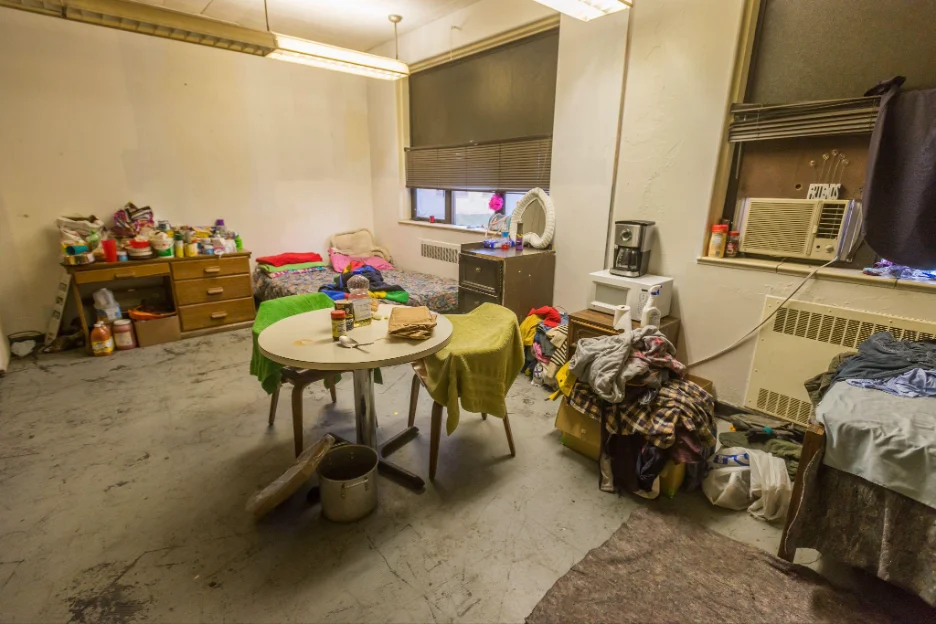
Migrant labor forms an indispensable, yet often unseen, pillar of the U.S. agricultural sector, providing the constant workforce necessary to harvest the nation’s food supply. Despite their critical role, the individuals performing this demanding work frequently operate within a system designed to keep them out of public view, not merely socially but fundamentally spatially. This spatial invisibility is meticulously engineered through housing arrangements, with employers often situating accommodations in secluded areas—behind dense groves, far from main roads, or on private lands secured by locked gates—rendering these sites difficult for workers to access autonomously and equally challenging to leave. This structural arrangement is more than just inadequate housing; it represents a deliberate mechanism of control, intricately woven into the fabric of the labor system.
The Invisible Workforce: A Foundation of U.S. Agriculture
The U.S. agricultural industry relies heavily on a workforce comprising approximately 2.4 million farmworkers, with a significant proportion being migrants. According to the U.S. Department of Agriculture (USDA) and the Department of Labor (DOL), over half of these workers are foreign-born, and many follow seasonal crops across states, moving from one temporary job to another. This transient population is essential for cultivating, harvesting, and processing a vast array of crops, from fruits and vegetables to nuts and grains. For instance, in California, which produces over a third of the nation’s vegetables and two-thirds of its fruits and nuts, migrant labor is the lifeblood of its multi-billion-dollar agricultural economy. Without their consistent labor, often performed under arduous conditions, the efficiency and productivity of American agriculture—and consequently, the nation’s food security and economy—would be severely compromised. The economic impact is substantial; farmworkers contribute billions of dollars annually to the agricultural GDP, yet their average annual income often falls below the poverty line, highlighting a stark disparity between their contribution and their compensation and living standards. Data from the National Agricultural Workers Survey (NAWS) consistently show that farmworkers earn low wages, with median personal incomes often below $25,000 annually, pushing many families into poverty despite their essential work.
Spatial Invisibility: Housing as a Mechanism of Control
The deliberate placement and design of migrant worker housing are central to their marginalization. These accommodations, often referred to as labor camps or dormitories, are typically located in remote rural areas, far removed from towns, public transportation, and essential services like grocery stores, healthcare facilities, and community centers. This geographical isolation serves to limit workers’ mobility and integration into local communities, reinforcing their status as a transient, dependent population. The physical characteristics described by workers, such as shared beds in cramped quarters, communal bathrooms, and often bare or non-existent kitchen facilities, underscore a profound lack of privacy, comfort, and basic human dignity. Photographs from various states, including North Carolina, California, and Illinois, consistently depict rows of identical cabins or dormitory rooms, furnished with narrow beds and small windows, offering minimal personal space. These visual records are not merely documentary; they serve as critical evidence illustrating a system designed to maintain control over a vulnerable workforce by erasing their individual humanity and collective visibility. Reports from advocacy groups frequently document housing units where multiple individuals share small rooms, sometimes sleeping in bunk beds, with inadequate heating or cooling, and limited access to potable water.
Historical Context of Migrant Labor and Housing
The current housing challenges for migrant farmworkers are rooted in a long history of agricultural labor practices in the United States, shaped by fluctuating labor demands and evolving immigration policies. During the Great Depression, the plight of internal migrant agricultural families, fleeing the Dust Bowl and economic hardship, was famously documented by photographers like Dorothea Lange. Her iconic image of a "Migrant Mother" in Nipomo, California, in 1936, outside a temporary shelter, visually represented the dire living conditions and precarious existence that have long characterized migrant labor. This period highlighted the vulnerability of a workforce essential for harvesting crops but lacking stable housing or social safety nets.
Post-World War II, programs like the Bracero Program (1942-1964) brought millions of Mexican guest workers to the U.S. to address wartime labor shortages. Under this program, employers were mandated to provide housing, a provision that cemented the practice of employer-provided accommodation. While intended to regulate labor and protect workers, the program was frequently criticized for widespread abuses, including poor housing conditions, low wages, and exploitation, laying groundwork for many of the issues observed today. The legacy of these historical arrangements continues to influence contemporary practices, where the provision of housing by employers remains a common, yet often problematic, aspect of farmworker employment. The historical precedent of a dependent workforce, tied to their employer through housing, created a template for current systems that exploit this dependency.
Legal Framework and Enforcement Challenges
In response to historical abuses and growing advocacy, federal legislation such as the Migrant and Seasonal Agricultural Worker Protection Act (MSPA) of 1983 was enacted to establish basic protections for farmworkers concerning wages, working conditions, transportation, and housing. MSPA, enforced by the U.S. Department of Labor (DOL), requires certain housing providers to meet specific health and safety standards, often referencing Occupational Safety and Health Administration (OSHA) regulations for temporary labor camps. These standards cover aspects like structural integrity, sanitation, ventilation, and fire safety.
However, enforcement remains a significant challenge. The remote location of many housing sites makes routine inspections difficult, and understaffing at regulatory agencies often limits proactive oversight. According to a 2019 Government Accountability Office (GAO) report, federal agencies struggle with data collection and coordination, impacting their ability to effectively monitor and enforce housing standards. Furthermore, the transient nature of the workforce and language barriers can hinder workers from understanding their rights or filing complaints. Fear of retaliation, including job loss, immediate eviction, or even deportation for undocumented workers, further discourages reporting violations, creating an environment where substandard conditions can persist unchecked. Advocacy groups frequently highlight that while legal standards exist, the practical reality for many farmworkers falls far short of compliance, often barely meeting minimum legal thresholds that are, in some cases, comparable to standards for correctional facilities in terms of space and amenities, particularly concerning square footage per occupant and access to private facilities.
Voices from the Field: The Lived Experience
The experiences recounted by migrant workers consistently paint a picture of precarious living, marked by a profound lack of autonomy and dignity. As observed by Joey Colby Bernert during her time as a paralegal at an immigration law firm in Metro Detroit, migrant workers frequently detailed housing situations that were both physically inadequate and emotionally taxing. They spoke of returning to isolated dormitories after grueling six or seven-day workweeks in extreme heat, only to find shared spaces devoid of privacy and comfort. Stories included bunk beds so closely stacked that "every breath of the man above him" could be heard, illustrating the complete absence of personal space. Strict, arbitrary rules often governed daily life, dictating visitor policies, meal times, and noise levels. In some cases, married couples were forced to live separately in gender-segregated dorms, further eroding personal autonomy and family life.
These narratives reveal a pervasive sense of being monitored and a deep-seated fear of speaking out. Workers understood that their housing was inextricably linked to their employment; a complaint about living conditions could easily translate into job termination, immediate homelessness, and for many, the profound risk of deportation. This symbiotic relationship between employer-provided housing and employment creates a powerful disincentive for workers to advocate for improved conditions, effectively silencing their voices within the system and fostering a constant state of anxiety and powerlessness.
Sociological Lens: Understanding Structural Control
Sociological frameworks provide crucial insights into understanding these housing arrangements as a systemic issue rather than isolated incidents of poor accommodation. Conflict theory, which posits that society develops and changes based on struggles over power and resources, offers a powerful lens. In the context of migrant labor, the struggle for power is starkly evident in the organization and control of living spaces. When employers control both employment and housing, they wield immense power, influencing every aspect of workers’ lives, from their daily routines to their ability to organize or seek external help. This economic and residential dependency creates a highly unequal power dynamic, where workers’ fundamental needs for shelter and livelihood are entirely at the discretion of their employer.
The concept of "social production of space," articulated by French philosopher Henri Lefebvre, is particularly relevant. Lefebvre argued that space is not merely a neutral container but is actively shaped and produced by social relations, power dynamics, and economic interests. The layout of migrant housing—its remote location, cramped interiors, and lack of amenities—is not accidental. It reflects the interests of those in control: to maximize labor efficiency, minimize costs, and maintain a compliant workforce. Comfort, fairness, or human dignity are often secondary considerations, if considered at all. The distance between houses, the arrangement of rooms, and the overall design are not random but are deliberate reflections of power relationships, designed to facilitate supervision and limit worker agency, thus reinforcing the employer’s dominance.
Furthermore, Michel Foucault’s analysis of how institutions use architecture to enforce discipline, as detailed in "Discipline and Punish," resonates strongly with migrant housing conditions. Foucault argued that architecture can function as a subtle yet potent tool for control, shaping behavior and reinforcing power structures without the overt presence of guards or bars. In migrant dorms, the architecture itself acts as a disciplinary mechanism. By providing housing that meets only the bare minimum legal standards—often described as barely exceeding prison cell specifications—and by designing spaces that lack privacy and communal gathering areas, the system implicitly communicates the workers’ diminished status and the limits of their autonomy. This dehumanizing architecture subtly controls by fostering a sense of vulnerability and dependence, making workers more susceptible to employer demands and less likely to challenge their conditions.
Health, Safety, and Dignity: Broader Implications
The implications of these housing conditions extend far beyond mere discomfort, impacting the health, safety, and overall well-being of migrant farmworkers and their families. Overcrowding, inadequate sanitation, and lack of proper ventilation contribute to the rapid spread of infectious diseases, including respiratory illnesses and gastrointestinal infections. For example, during the COVID-19 pandemic, farmworker housing was identified as a significant risk factor for outbreaks due to cramped living quarters and shared facilities. Exposure to pesticides in fields, combined with limited access to clean water and washing facilities in housing, poses significant health risks, leading to higher rates of skin conditions, respiratory problems, and other chronic illnesses.
The constant stress of precarious living, long working hours, isolation, and fear of reprisal can lead to severe mental health issues, including anxiety, depression, and post-traumatic stress. Children of migrant workers often face educational disruptions due to frequent moves and live in environments that are not conducive to learning or healthy development. Moreover, the lack of private, dignified spaces can erode a sense of self-worth and community, perpetuating a cycle of marginalization and hindering social integration. These conditions contribute to significant health disparities, with farmworkers experiencing higher rates of certain illnesses, injuries, and reduced life expectancy compared to the general population.
Industry Perspectives and Economic Realities
It is also important to acknowledge the complex economic realities faced by agricultural employers. Farmers often operate on thin margins, influenced by volatile market prices, unpredictable weather conditions, and international competition. The cost of labor is a significant input, and providing compliant, high-quality housing can be a substantial expense. Some growers argue that the regulatory burden and the financial investment required for improved housing are prohibitive, especially for small and medium-sized farms, potentially impacting their ability to compete. They may also point to perennial labor shortages, which necessitate the provision of housing to attract and retain workers, particularly those participating in guest worker programs like H-2A, where housing provision is a mandatory requirement. While these economic pressures are real and underscore the complexities of the agricultural supply chain, they do not absolve employers of their fundamental responsibility to provide safe, dignified, and humane living conditions. The challenge lies in finding sustainable solutions that support both agricultural viability and farmworker well-being, potentially through government subsidies, tax incentives, or industry-wide cooperative models for housing development.
Advocacy and the Path Forward
Recognizing these systemic issues, various advocacy organizations, legal aid societies, and human rights groups tirelessly work to improve conditions for migrant farmworkers. Organizations like Farmworker Justice, the National Center for Farmworker Health, and regional legal aid groups provide legal assistance, advocate for stronger enforcement of labor laws, and push for policy reforms that address housing, wages, and working conditions. Their efforts include litigation to challenge exploitative practices, educational campaigns to inform workers of their rights, and lobbying for legislative changes that would provide better protections and resources.
Proposals for improvement often include increased funding for housing inspections and a greater number of inspectors, stronger penalties for non-compliance, and incentives for employers to build or renovate higher-quality housing. Additionally, initiatives that grant workers more autonomy over their living arrangements, potentially decoupling housing from employment where feasible, are critical. This could involve developing independent, non-employer-controlled housing options or supporting worker cooperatives. Ultimately, a multi-faceted approach involving robust governmental oversight, sustained advocacy, and collaborative efforts across the agricultural sector is required to address this deeply entrenched structural problem.
Conclusion: Unveiling the System
Ultimately, the issue of migrant farmworker housing transcends a simple problem of inadequate shelter; it is a profound reflection of a deeply embedded labor strategy. The isolated, controlled, and often substandard living conditions are not accidental "temporary camps" but rather long-term, structurally enforced solutions that maintain a vulnerable and compliant workforce essential to the U.S. agricultural economy. As scholars, policymakers, and engaged citizens, it is imperative to bring these meticulously designed systems of control into public discourse. Understanding this architecture of invisibility—its historical roots, legal frameworks, sociological implications, and human cost—is the crucial first step. We cannot effectively address or dismantle what remains hidden. Only by fully illuminating these structural realities can society begin to forge equitable solutions that uphold the dignity and rights of those who sustain our agricultural abundance.








