Ronny Sianturi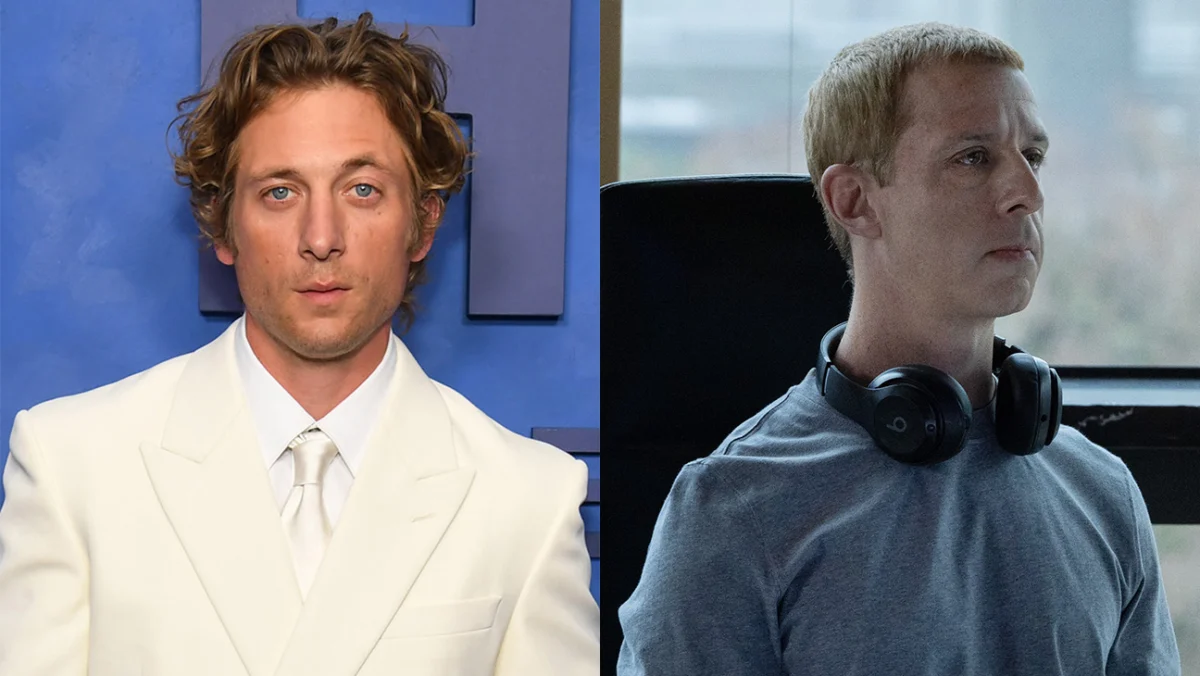
The buzz surrounding the upcoming film, The Social Reckoning, has reached a fever pitch, particularly after the release of its first trailer, which offered a striking glimpse of Jeremy Strong embodying Facebook founder Mark Zuckerberg. For many viewers, Strong’s vocal interpretation was a revelation. However, the actor most closely associated with the project, Jeremy Allen White, who portrays Wall Street Journal reporter Jeff Horwitz, shared that his own initial exposure to Strong’s performance was through the same trailer.
White, speaking at the premiere of the fifth and final season of FX’s critically acclaimed series The Bear in New York City on Monday night, acknowledged the impact of the trailer and Strong’s portrayal. "Jeremy and I spent zero time together filming – we were totally separate," White explained to The Hollywood Reporter. "So the first I heard was the trailer with you guys, but it’s incredible." This separation in filming schedules meant that the trailer served as White’s definitive introduction to Strong’s Zuckerberg, a performance that has already generated considerable discussion and anticipation.
The Emmy winner elaborated on his reaction to Strong’s performance, stating, "I thought it was great, but that’s what I expect of Jeremy. He’s so talented. He works so hard. It makes perfect sense to me." This endorsement from a fellow acclaimed actor underscores the perceived dedication and transformative nature of Strong’s approach to the role, a hallmark of his acclaimed career.
A Legacy Sequel: Building on "The Social Network"
The Social Reckoning is positioned as a direct successor to the Oscar-winning 2010 film The Social Network. That seminal work, directed by David Fincher and penned by Aaron Sorkin, meticulously chronicled the tumultuous genesis of Facebook. It delved into the complex relationships, legal battles, and entrepreneurial ambition that defined the platform’s early years. Jesse Eisenberg famously portrayed Zuckerberg in the original film, earning critical acclaim for his nuanced performance. The narrative explored the lawsuits brought forth by Facebook co-founder Eduardo Saverin, played by Andrew Garfield, and the Winklevoss twins, portrayed by Armie Hammer. Sorkin’s sharp, incisive screenplay earned him an Academy Award, cementing the film’s place in cinematic history.
The upcoming sequel, also written by Aaron Sorkin, who this time takes on directorial duties as well, picks up the narrative approximately 17 years after the events of the original film. This temporal leap allows The Social Reckoning to explore the far-reaching and often controversial impact of Facebook and social media on global society.
New Characters, Deeper Conflicts
In The Social Reckoning, Jeremy Strong steps into the formidable shoes of Mark Zuckerberg, tackling a more mature and perhaps more embattled iteration of the tech mogul. Jeremy Allen White is cast as Jeff Horwitz, a reporter for The Wall Street Journal. Horwitz, in collaboration with former Facebook employee Frances Haugen, portrayed by Mikey Madison, embarks on a mission to expose what are described as the social network’s deepest secrets. This premise suggests a narrative that moves beyond the platform’s creation and into the ethical quandaries and societal consequences that have emerged over nearly two decades of its existence.
While The Social Network focused on the explosive growth and internal conflicts of Facebook’s early days, The Social Reckoning is set to examine the ripple effects of social media on individuals, institutions, and the broader fabric of society. The film’s focus on exposing secrets and controversies hints at a critical examination of data privacy, algorithmic influence, misinformation, and the mental health implications of constant connectivity.
White’s Personal Reflections on Social Media’s Impact
For Jeremy Allen White, the experience of working on a film that directly addresses the complexities of social media did not fundamentally alter his pre-existing views on the subject. "I don’t know if it changed," White mused when asked about any shifts in his perspective. "I think I have always held similar feelings to what we’re trying to provoke with the film, so I don’t think it changed my mind in any way. But it definitely strengthened my opinions."
He further elaborated on this sentiment, highlighting the growing body of evidence regarding the detrimental aspects of pervasive social media use. "There’s a lot of proof about the addictive aspects of this stuff, and we should all take a step back," White stated, underscoring a sentiment that resonates with increasing public discourse surrounding digital well-being. This personal reflection from White adds a layer of authenticity to the film’s thematic concerns, suggesting that the narrative is not just an exploration of corporate intrigue but also a commentary on the human experience in the digital age.
The Evolving Landscape of Social Media and Its Societal Footprint
The transition from The Social Network to The Social Reckoning mirrors the evolution of social media itself. The initial film captured a moment of unprecedented technological innovation and cultural disruption, focusing on the entrepreneurial spirit and the personal rivalries that fueled Facebook’s ascent. The sequel, however, arrives at a time when the societal implications of these platforms are under intense scrutiny.
Since Facebook’s inception in 2004, its user base has ballooned to nearly three billion monthly active users globally, making it the largest social media platform worldwide. This unparalleled reach has amplified its influence, leading to widespread concerns about its impact on political discourse, mental health, and the dissemination of information. Whistleblower revelations, such as those from Frances Haugen, have brought to light internal research suggesting the company was aware of its platforms’ potential harms, including their addictive nature and negative effects on teenage mental health.
The timeline of Facebook’s impact can be broadly categorized:
- 2004-2010 (The Rise): Marked by rapid expansion, the development of core features, and early legal challenges. The Social Network captured this era of innovation and internal conflict.
- 2011-2016 (Global Dominance and Early Controversies): Facebook expanded internationally, acquired Instagram and WhatsApp, and began to face scrutiny over privacy policies and its role in political events like the Arab Spring.
- 2017-Present (Accountability and Reckoning): This period has been characterized by increased public and governmental pressure regarding data privacy (e.g., Cambridge Analytica scandal), the spread of misinformation, algorithmic bias, and the mental health impacts of social media. The Social Reckoning appears poised to delve deeply into this era of reckoning.
Data and Analysis: The Societal Footprint of Social Media
The film’s focus on exposing secrets and controversies is timely, given the wealth of data and ongoing analysis concerning social media’s societal footprint. Studies have repeatedly highlighted the addictive qualities of these platforms, driven by sophisticated algorithms designed to maximize user engagement. For instance, research from institutions like the Pew Research Center has documented the increasing amount of time individuals spend on social media and the correlative rise in reported anxiety and depression, particularly among adolescents.
Furthermore, the role of social media in shaping public opinion and facilitating the spread of misinformation has become a critical concern. The 2016 U.S. Presidential election and subsequent global political events have underscored how these platforms can be exploited to influence electoral outcomes and sow societal division. The debate around content moderation, algorithmic transparency, and the responsibility of tech giants continues to be a central issue in policy discussions worldwide.
The Social Reckoning‘s exploration of these themes, through the lens of investigative journalism and whistleblowing, promises to bring these complex issues to a wider audience. The film’s narrative arc, centered on uncovering "biggest secrets," suggests a deep dive into the internal workings of a company that has fundamentally reshaped global communication and social interaction.
Anticipation and Release
Sony Pictures’ The Social Reckoning is slated for a theatrical release on October 9th. The film arrives at a pivotal moment, as public awareness and critical examination of social media’s pervasive influence continue to grow. With a script penned by Aaron Sorkin and a cast featuring acclaimed actors like Jeremy Strong and Jeremy Allen White, the sequel is poised to be a significant cinematic event, sparking further dialogue about the profound and often complex legacy of Facebook and the digital age it helped usher in. The juxtaposition of the original film’s narrative of ambition and innovation with the sequel’s focus on consequences and accountability offers a compelling arc for audiences to engage with, reflecting the ongoing societal conversation surrounding the platforms that have become integral to modern life.