Ferry Irwandi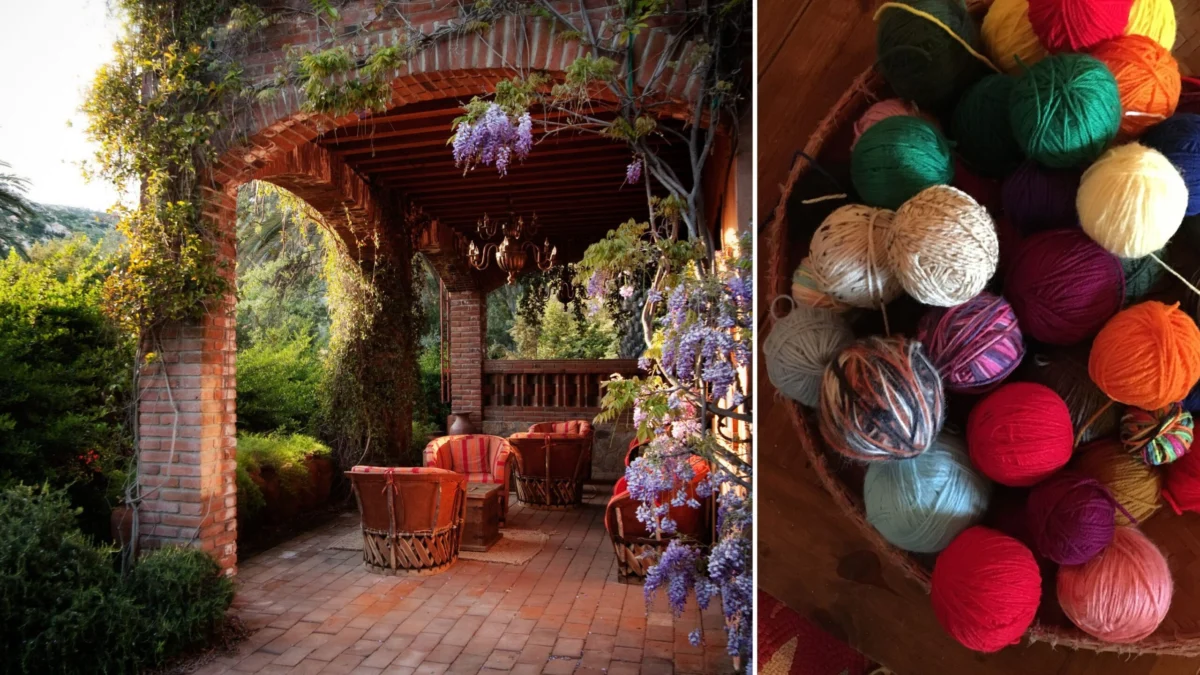
The global wellness tourism sector, a market valued at over $800 billion according to the Global Wellness Institute, is undergoing a fundamental shift from passive relaxation to active, skill-based engagement. For decades, the industry was defined by a "pamper-centric" model, where guests sought detoxification and physical rejuvenation through massages, saunas, and structured fitness regimens. However, a new trend dubbed the "skillcation" is emerging, placing creative arts—such as crochet, pottery, tile painting, and jewelry making—at the center of the therapeutic experience. This evolution suggests that the modern traveler is increasingly seeking "portable wellness," a set of skills and mental tools that can be integrated into daily life long after the vacation concludes.

The Philosophical Shift in Holistic Health
The concept of the skillcation posits that creativity is not merely an optional hobby but a vital component of a comprehensive wellness ecosystem. This philosophy has been championed by institutions like Rancho La Puerta, a world-renowned retreat located in Tecate, Mexico. Founded in 1940 by Edmond and Deborah Szekely, the resort has long maintained that health extends beyond the gym or the spa table. Deborah Szekely, who recently celebrated her 104th birthday, has been a vocal advocate for the "whole-person" approach, which balances physical movement with mental stimulation and artistic expression.
At Rancho La Puerta, the daily schedule includes upwards of 50 activities, ranging from high-intensity interval training and mountain hikes to quiet workshops in the arts. By framing creativity as an essential pillar of recovery, the resort encourages guests to engage in activities that may initially seem peripheral to physical fitness. For many visitors, these creative sessions provide a necessary "pause" between high-intensity physical workouts, yet the psychological impact often proves to be the most enduring aspect of their stay.

The Science of Crafting: Mental Health and the Flow State
The integration of crafts into wellness programs is supported by a growing body of scientific research. The World Health Organization (WHO) has officially recognized the role of arts-based activities in supporting overall well-being, noting that creative engagement can improve mental health outcomes and foster social inclusion.
A pivotal 2021 study focused specifically on the effects of crochet revealed that 90% of participants felt significantly calmer after engaging in the craft, while 85% reported increased levels of happiness over a six-week period. Neurologists suggest that the repetitive, rhythmic nature of activities like knitting, crocheting, and weaving induces a "flow state"—a term coined by psychologist Mihaly Csikszentmihalyi. This state of deep absorption results in a reduction of cortisol (the stress hormone) and an increase in dopamine and serotonin, the brain’s natural antidepressants.

For individuals dealing with significant life stressors or trauma, the cognitive demands of learning a new craft serve as a healthy alternative to "doomscrolling" or emotional avoidance. The focus required to follow a pattern or master a stitch acts as a form of "informal mindfulness," grounding the individual in the present moment and providing a sense of agency and accomplishment that is often missing during periods of personal crisis.
Chronology of the Skill-Based Retreat Experience
The journey of a "skillcationer" typically follows a distinct pattern of resistance, struggle, and eventual breakthrough. The process often begins with the selection of a "beginner-friendly" project—such as a circular eyeglasses case or a simple clay pot—intended to be a low-pressure diversion.

- Initial Engagement: Guests enter a workshop setting, often led by resident artisans. The atmosphere is designed to be supportive, contrasting with the competitive nature of traditional fitness classes.
- The Struggle of Acquisition: As seen in the experiences of many first-time crafters, the initial attempts are rarely successful. Stitches may be too tight or too loose; clay may collapse on the wheel. This phase is critical as it forces the guest to confront perfectionism and the frustration of being a "novice."
- The Pivot: When a project fails—such as a misshapen crochet circle—the wellness benefit lies in the decision to continue. Guests are encouraged to "frog" their work (rip it out) and start again, or to pivot to a different project, such as a simple coaster.
- The Breakthrough: Completion of a tangible object, regardless of its aesthetic quality, provides a neurological reward. The realization occurs that the value was not in the product (the glasses case or the pot), but in the hours of focused, meditative work required to create it.
- Integration: Upon returning home, the guest carries the physical tools (hooks, needles, or sketchbooks) and the mental resilience developed during the retreat back into their everyday environment.
Global Adoption: From Baja to the Douro Valley
While Rancho La Puerta was an early adopter of the integrated arts model, the "skillcation" trend has been embraced by luxury resorts worldwide, each tailoring the creative experience to its local culture and geography.
- North America: At Canyon Ranch (Lenox, Massachusetts) and Enchantment Resort (Sedona, Arizona), guests engage in mixed-media art and jewelry making, often using materials inspired by the surrounding landscapes. Miraval Resorts & Spas, with locations in Arizona, Texas, and the Berkshires, offer niche workshops like photography and candle-making, embedding these practices into a broader "digital detox" curriculum.
- Europe: Six Senses Douro Valley in Portugal utilizes the country’s rich heritage by offering tile painting workshops based on the centuries-old azulejo tradition. This approach allows guests to connect with the history of the region while engaging in a tactile, meditative process.
- Asia: Chiva-Som International Health Resort in Hua Hin, Thailand, incorporates decorative Thai fan painting into its wellness offerings. Similarly, the Four Seasons Hotel Suzhou in China teaches traditional embroidery techniques, emphasizing the precision and patience inherent in the craft.
Industry Analysis: The Economic and Social Impact
The rise of skill-based travel is more than a niche hobby; it represents a strategic shift in how the hospitality industry approaches guest retention and brand loyalty. By teaching a guest a skill, a resort creates a lasting emotional connection that transcends the duration of the stay.

Market analysts observe that "transformational travel"—trips that result in a permanent change in the traveler’s perspective or lifestyle—is one of the fastest-growing segments of the industry. Travelers are increasingly willing to pay a premium for experiences that offer more than just a temporary escape. The "skillcation" provides a solution to the "re-entry problem," where the benefits of a vacation evaporate the moment the traveler returns to their professional responsibilities.
Furthermore, the surge in craft-led trips has spurred a secondary market in specialized tourism. Knitting cruises through the fjords of Norway and macramé retreats in the mountains of Montenegro indicate that for a significant portion of the traveling public, the craft itself has become the primary destination, with traditional sightseeing serving as a secondary benefit.

Broader Implications and Official Responses
Educational and health organizations have begun to take note of this trend. Occupational therapists have long used crafting as a tool for cognitive and physical rehabilitation, particularly for veterans and individuals recovering from strokes. The mainstreaming of these activities into the luxury wellness space suggests a broader societal recognition of the need for "analog" solutions in an increasingly digital world.
In response to the growing demand, several wellness brands have started to partner with local artisan guilds to ensure the authenticity and sustainability of their programs. This not only provides guests with high-quality instruction but also supports local economies and preserves traditional crafts that might otherwise be lost to modernization.

The consensus among wellness experts is that the "skillcation" represents the future of the industry. As Deborah Szekely and other pioneers have suggested, the ultimate goal of wellness is to equip the individual with the tools necessary to maintain their own health. In this context, a deformed clay pot or a misshapen crochet beanie is more than a souvenir; it is a symbol of a reclaimed mental state.
Conclusion: The Portable Souvenir
The true value of the skillcation lies in its durability. Treatments and massages are, by their nature, fleeting experiences. Once a guest leaves the resort, the physical sensations of a spa treatment begin to fade. However, a skill is a permanent acquisition. It provides a way to return to a state of calm and groundedness in the midst of a chaotic daily routine.
.jpg)
As the travel industry continues to evolve, the focus will likely remain on these "portable souvenirs." The rise of craft-led wellness retreats signals a shift toward a more resilient form of self-care—one that values the process of making over the perfection of the result. For the modern traveler, the best takeaway from a five-star resort may not be a photograph or a luxury product, but the ability to pick up a crochet hook or a paintbrush and find a moment of peace in their own bedroom.