Danny Garick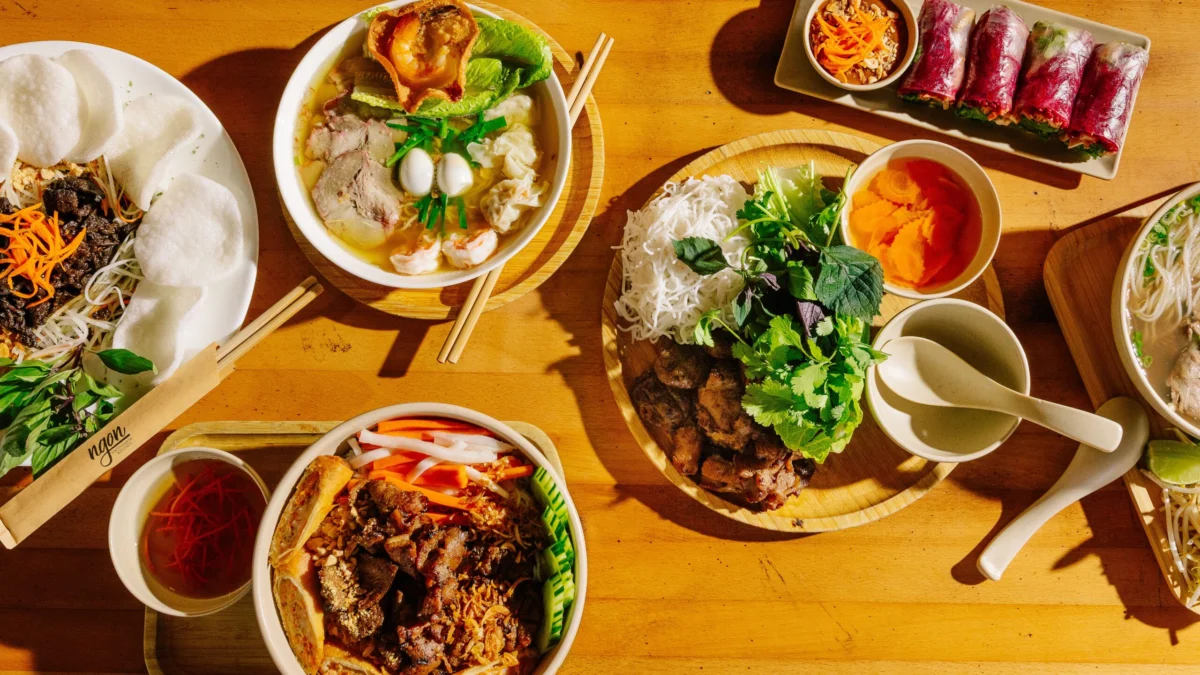
The city of Dallas, long defined by its "everything’s bigger" mantra and the oil-wealth caricatures of 1980s television, is currently undergoing a profound cultural and culinary metamorphosis. As the core of the fourth-largest metropolitan area in the United States, with a population exceeding 1.3 million within city limits and over 8 million in the greater North Texas region, Dallas has transitioned from a regional hub of cattle and commerce into a global destination for art, design, and sophisticated gastronomy. This shift was formalized in late 2024 when the prestigious Michelin Guide released its inaugural Texas edition, awarding several Dallas establishments and signaling to the international community that the "Big D" has moved beyond the singular tropes of barbecue and Tex-Mex.
The Chronology of a Culinary Renaissance
The trajectory of the Dallas food scene has historically been anchored by high-end steakhouses and casual regional fare. However, the last decade has seen an influx of domestic and international talent, driven by a robust economy and a net migration pattern that brings nearly 400 new residents to the North Texas area daily. This demographic shift has created a "talent magnet" effect, where chefs from across the globe view Dallas not just as a secondary market, but as a primary laboratory for creative expression.

In the early 2000s, the Dallas Arts District—the largest contiguous urban arts district in the country—laid the groundwork for a more aesthetic-focused city. This emphasis on design eventually bled into the hospitality sector. By the 2010s, neighborhoods like the Design District and Lower Greenville began to see a rise in chef-driven concepts. The arrival of the James Beard Foundation’s attention in the early 2020s, followed by the Michelin Guide’s entry in 2024, represents the culmination of twenty years of urban development and cultural investment.
Morning Gastronomy: International Imports and Coastal Traditions
The diversification of the Dallas palate begins with the most important meal of the day, where traditional American breakfast is being challenged by global concepts. San Martin, a historic bakery founded in Guatemala City in 1974, chose Uptown Dallas for its first United States location. The establishment serves as a case study in the city’s architectural ambition, featuring a glass-enclosed "cathedral" design with hanging gardens and skylights. Beyond the aesthetics, the menu introduces North Texans to the motuleño—a complex Guatemalan breakfast dish involving fried corn tortillas, chipotle sauce, refried beans, and a trio of meats (ham, chorizo, and bacon). The success of San Martin highlights a growing appetite for authentic Latin American cuisines that extend beyond the traditional Mexican border.
Simultaneously, the city has embraced coastal staples through establishments like Shug’s Bagels. Founded by New York native and SMU graduate Justin Shugrue, the shop addresses a long-standing void in the Dallas market for authentic, kettle-boiled bagels. While the "New York style" label is often debated by transplants, the high volume of traffic at Shug’s—characterized by a fast-paced "get in, get out" service model—reflects the city’s increasing demand for specialized, high-quality comfort foods. The popularity of the "Spicy Shug" breakfast sandwich, which incorporates Texas-favored ingredients like pepper jack cheese and hot sauce, demonstrates the successful hybridization of Northern traditions with Southern flavor profiles.

The Rise of the "Third Place": Intellectual and Design Spaces
As Dallas densifies, the importance of "third places"—spaces outside of home and work—has become central to the city’s urban fabric. Bird’s Bookstore, located on Royal Lane, represents the pinnacle of this trend. Designed to mimic a private, high-end library, the space utilizes lush wood shelving and curved architecture to create an analog refuge.
Supporting data from the American Booksellers Association suggests a resurgence in independent bookstores that offer curated experiences, and Bird’s Bookstore capitalizes on this by integrating a professional espresso bar featuring local Oak Cliff Coffee Roasters. The collaboration with Five Mile Chocolate, a local bean-to-bar chocolatier, emphasizes a broader trend in the Dallas market: hyper-localization. By sourcing ingredients from nearby artisans, these establishments create a self-sustaining ecosystem that appeals to a consumer base increasingly weary of digital saturation.
Global Neighborhoods: From CDMX to Hanoi
The true depth of the Dallas culinary landscape is found in its neighborhood-specific gems. In East Dallas, El Come Taco has spent years bridging the gap between the local community and the vibrant street food culture of Mexico City (CDMX). Long before Mexico City became a top-tier destination for American "digital nomads," El Come Taco was serving authentic cabeza (head) and sesos (veal brains) tacos. Their seasonal offering of chapulines (roasted crickets) serves as a litmus test for the adventurousness of the modern Dallas diner. The adjacent speakeasy, La Viuda Negra, disguised as a bridal shop, reflects the global trend of "hidden" hospitality, focusing on artisanal mezcal programs that cater to a sophisticated, spirit-forward audience.

In Lower Greenville, Ngon Vietnamese Kitchen has emerged as a critical darling, earning a Michelin Bib Gourmand in 2024. Led by Chef Ngoc Duong, the restaurant focuses on the refined flavors of Hanoi, a departure from the more common Southern Vietnamese styles found elsewhere in the United States. The signature mango salad, featuring poached shrimp and squid in a pungent fish sauce dressing, exemplifies the balance of sweet, salty, and aromatic notes that have elevated Vietnamese cuisine in the eyes of international critics.
The international influence extends beyond city limits into the suburb of Richardson, which houses some of the most authentic Middle Eastern cuisine in the region. Al Baghdadi’s Salam Grill provides a window into Iraqi culinary traditions, utilizing charcoal-burning grills to prepare lamb tikka and shish tawook. The attached bakery, serving z’labia and cardamom-soaked daheen, illustrates how immigrant communities have preserved their cultural heritage while contributing to the economic vitality of the North Texas Metroplex.
Redefining the Texas Aesthetic: Modern Western and The Classic Steakhouse
Despite its modernization, Dallas remains deeply connected to its Western roots, though the expression of that heritage has evolved. Far Out, a bar and restaurant housed in a repurposed Quonset hut near the Fair Park grounds, offers what critics call "West Texas rugged-chic." With a menu influenced by Chef Misti Norris—a frequent James Beard nominee known for her work with ferments and charcuterie—Far Out represents the "New Texas" cuisine. Dishes like duck confit salad with fermented black rice crisps indicate a move away from heavy, cream-based Southern cooking toward lighter, more complex, and technique-driven plates.
.jpeg)
However, the traditional steakhouse remains the bedrock of Dallas dining. Pappas Bros. Steakhouse continues to set the standard for the classic Texas experience. With an in-house dry-aging program and a wine list that functions more like an encyclopedia, it embodies the "bigness" of Texas without descending into gimmickry. The restaurant’s commitment to fundamental excellence—salt, pepper, butter, and prime beef—serves as a reminder that even as the city experiments with global flavors, its core identity is rooted in high-quality agriculture and hospitality.
The Subterranean Future: High-Fidelity Culture
The final piece of the modern Dallas puzzle is the emergence of specialized nightlife concepts like Shyboy HiFi. Located in a former bank vault in Downtown Dallas, this subterranean listening bar is part of a global movement—originating in Japan—that prioritizes high-fidelity audio over traditional club environments. Outfitted with nine-foot-tall speakers designed by Devon Turnbull, the space offers a synesthetic experience where sound quality is treated with the same reverence as a fine wine.
The existence of a venue like Shyboy HiFi in the heart of the city’s financial district is a testament to the sophistication of the current Dallas market. It suggests a consumer base that values curated, high-concept experiences that are "analog" in nature but futuristic in execution.

Broader Impact and Economic Implications
The evolution of the Dallas culinary and cultural scene has significant economic implications. According to the Texas Restaurant Association, the industry accounts for over 1.4 million jobs in the state, with Dallas serving as a primary engine for growth. The arrival of the Michelin Guide is expected to boost culinary tourism, drawing visitors who might have previously overlooked North Texas in favor of coastal cities.
Furthermore, the diversification of the food scene reflects the broader economic health of the region. As major corporations like Toyota, Charles Schwab, and Caterpillar have relocated their headquarters to North Texas, they have brought with them a workforce with diverse tastes and high discretionary income. This has created a feedback loop where demand for sophisticated dining drives innovation, which in turn attracts more talent and investment to the city.
Ultimately, the "Big D" is no longer just a caricature of the American West. It is a complex, multi-layered metropolis where Guatemalan pastries, New York bagels, Iraqi flatbreads, and high-fidelity Japanese sound systems coexist with the traditional Texas steakhouse. This patchwork quilt of cultures has set a new standard for North Texas, making the city’s cultural landscape more vibrant, diverse, and internationally relevant than ever before.