
 Danny Garick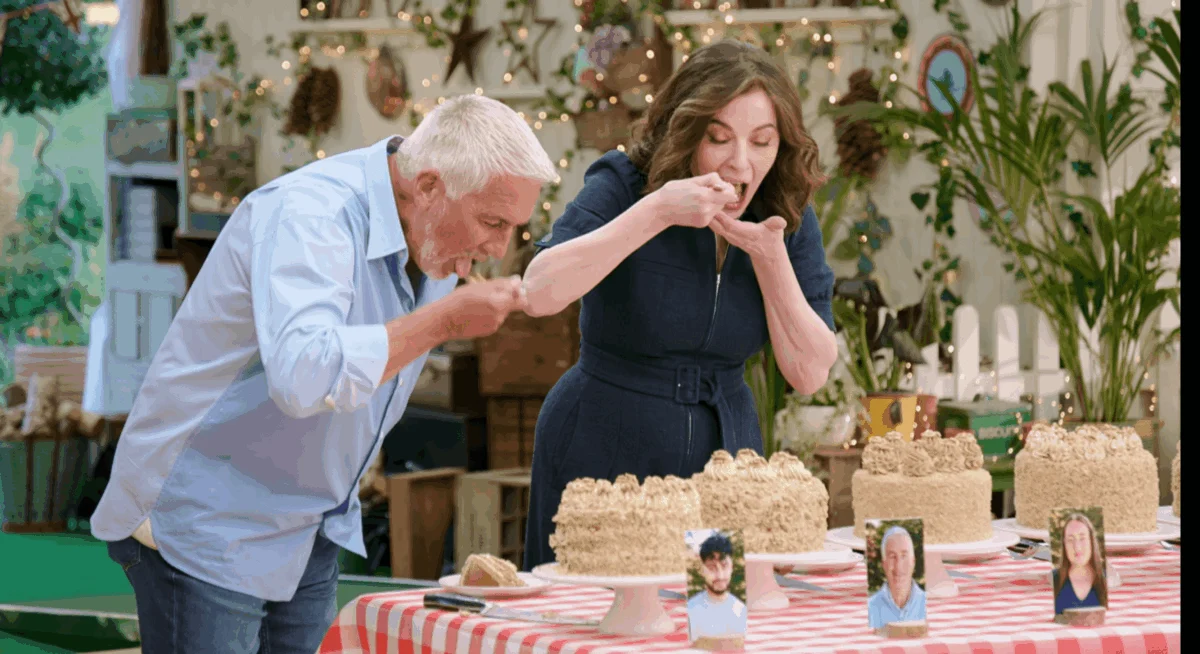
The arrival of Nigella Lawson as the newest judge on The Great British Baking Show has triggered a significant discourse regarding the intersection of food consumption, television etiquette, and gendered performance. As the tent enters its latest season, the show’s production team and long-standing judges have found themselves navigating a public conversation that extends far beyond the technical merits of pastry and sponge. Lawson, an internationally recognized culinary author and television personality, has brought a distinct, uninhibited style of engagement to the judging process that contrasts sharply with the established norms of the series.
A Chronology of the Controversy
The discourse began almost immediately following the season premiere, as viewers observed Lawson’s methodology for tasting the contestants’ bakes. Social media platforms and digital forums, most notably Reddit, saw a surge in commentary centered on the physical nature of her sampling. Observers characterized her bite sizes as unusually large, sparking debate over whether this behavior constituted a breach of traditional television table manners or if it was a symptom of unaddressed dental sensitivities.
This scrutiny is not an isolated incident but rather the latest chapter in a decades-long public relationship between Lawson and her audience. Since her Y2K-era debut on the BBC’s Nigella Bites, Lawson has been subject to intense media analysis regarding her on-camera persona. While her early career established her as a pioneer of the "home cooking" genre, it simultaneously invited a reductionist view of her work. Throughout the early 2000s, tabloid media frequently attempted to frame her culinary enthusiasm through a lens of eroticism, a framing that Lawson has repeatedly rejected. Despite her public frustration with these characterizations, the narrative that she "sexualizes" food has persisted, resurfacing now with the added scrutiny of a high-profile reality competition.
Data and Cultural Context: The Evolution of Food Media
To understand the current tension, one must examine the evolution of food consumption on camera. In the current media landscape, there is a stark divide between the performative, highly curated nature of social media food influencers and the candid, unvarnished style favored by Lawson.
Contemporary food influencers often employ a set of "tics"—exaggerated chews, specific hand placements, and head movements—designed to signal "deliciousness" while maintaining a sanitized, aesthetically pleasing image. Data from digital media analysts suggest that these visual cues are optimized for engagement on platforms like TikTok and Instagram, where brevity and visual clarity are paramount.
In contrast, Lawson’s approach—what she describes as simply wanting to "taste things properly"—rejects the performative constraints of the modern influencer. In a recent interview with The Telegraph, Lawson addressed the critiques directly, maintaining that her primary objective remains an accurate sensory assessment of the bake. Her philosophy, documented extensively in her book Cook, Eat, Repeat, posits that the appreciation of food should be free from the guilt or performance-based anxiety that has become endemic to the digital age.
The Paradox of Modern Consumption
There exists a noted cultural paradox in how society currently views food. While the "goblin mode" phenomenon and the rise of mukbang culture—which emphasizes raw, often excessive, and unfiltered eating—have gained mainstream acceptance, the expectation for traditional television figures to adhere to a polished, "clean" aesthetic remains high.
Lawson sits at the center of this tension. By refusing to adapt her eating habits to suit the rigid, sanitized expectations of modern television, she challenges the audience to confront their own biases. When a woman of her stature consumes food with enthusiasm, it is often met with a reflexive, critical gaze that would likely not be applied to a male judge. This discrepancy in treatment highlights a persistent societal struggle: the inability to view a woman’s physical pleasure or engagement with food as something other than a performance intended for an external audience.
Professional Analysis and Implications
The "Nigella Lawson effect" on the current season of The Great British Baking Show suggests a shift in how viewers perceive the role of a judge. In previous iterations, the judging process was largely defined by technical feedback and the authoritative critique of Paul Hollywood. The introduction of a figure like Lawson, who prioritizes the sensuous experience of eating, has forced the production to balance technical critique with a more holistic view of food as an experience.
From a sociological perspective, the backlash and subsequent defense of Lawson’s behavior reflect a broader discomfort with "unmediated" eating. When she unhinges her jaw or takes a large, purposeful bite, she is bypassing the performative filters that contemporary media has conditioned viewers to expect. Analysts argue that this creates a "disruption" in the viewing experience, leading to the discomfort expressed by some audience members. However, it also offers a rare moment of authenticity in a genre that is often heavily edited and scripted.
Official Responses and Future Outlook
While representatives for the show have remained largely quiet regarding the online discourse, the production’s decision to continue featuring Lawson’s unedited tasting style indicates an endorsement of her approach. Producers appear to be leaning into the authenticity that Lawson brings, recognizing that the conversation—regardless of its critical nature—serves to keep the show relevant and debated in an increasingly crowded television market.
Lawson’s own stance remains unchanged. She continues to distinguish between the sensuous—the physical pleasure of taste and texture—and the sexual, a distinction her critics frequently overlook. By framing her eating habits as an act of gratitude and necessary sensory evaluation, she effectively reframes the conversation from one of "manners" to one of "appreciation."
As the season progresses, the implications of this controversy may lead to a broader re-evaluation of how food television is produced. If the audience begins to favor the raw, uninhibited engagement that Lawson demonstrates over the performative polish of social media stars, it could signal a significant shift in the aesthetic standards of cooking programs. For now, Lawson remains a steadfast figure, continuing to eat in the tent exactly as she has for the past twenty-five years: with intent, without shame, and with a complete disregard for the performative expectations of the camera lens.
Ultimately, the controversy serves as a mirror for the audience. The "audacious" nature of her eating, as perceived by some viewers, is perhaps less a reflection of her behavior and more a commentary on the restrictive, self-conscious ways in which we are told to present ourselves in public. By continuing to eat as she does, Lawson remains a pioneer of the "unapologetic" approach, proving that the most important element of any bake is the simple, honest joy of the person eating it.









