Nila Kartika Wati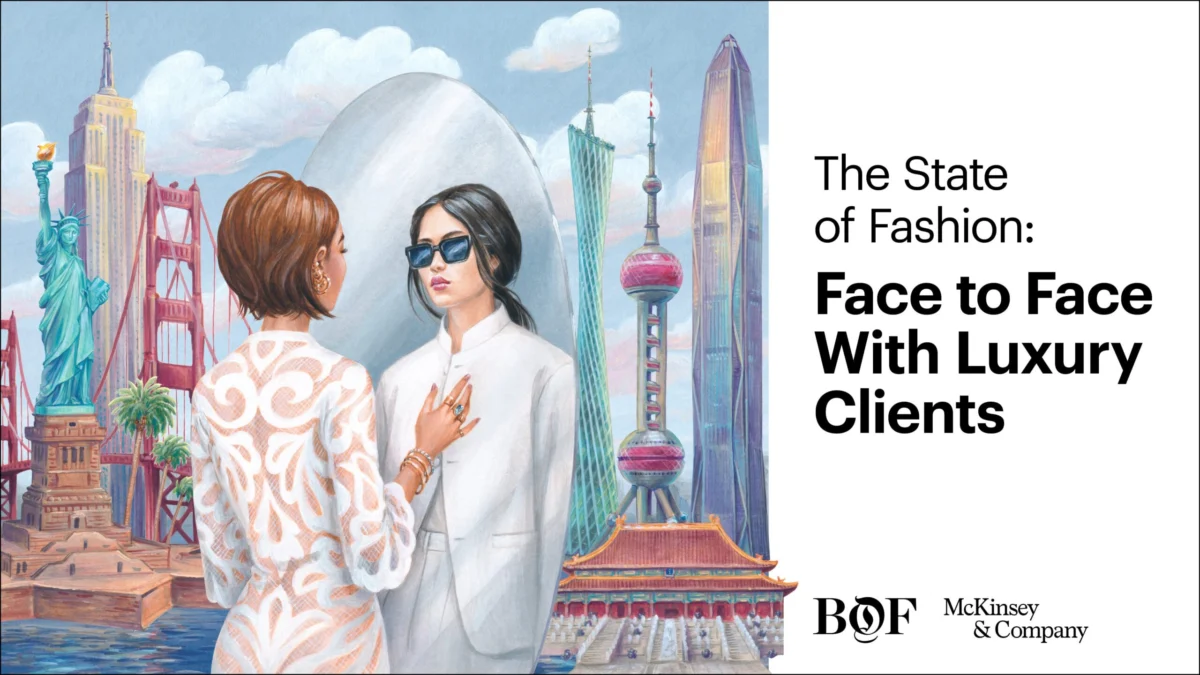
The global luxury market, after a period of protracted stagnation, is showing signs of a gradual recovery, with projections indicating a return to growth in 2026. This resurgence is primarily being spearheaded by the robust performance of the United States and China, two of the world’s most significant luxury consumer hubs. A comprehensive new report, "The State of Fashion 2026," jointly produced by The Business of Fashion (BoF) and McKinsey & Company, reveals that while overall market expansion is expected to moderate, settling at an annual growth rate of 4 to 6 percent through 2030, a deeper understanding of evolving consumer desires is paramount for sustained success. The study, which draws upon an extensive survey of over 2,000 clients and dozens of in-depth interviews across both key markets, highlights a crucial paradox: consumers exhibit increasingly distinct local preferences, yet simultaneously share an overarching, deeply ingrained yearning for emotional connection with brands.
A Gradual Climb Back to Growth
The luxury sector has weathered a challenging economic climate in recent years, marked by shifting consumer spending habits, geopolitical uncertainties, and the lingering effects of global supply chain disruptions. For a period, sales growth faltered, leaving many industry leaders scrambling to adapt their strategies. However, the latest analysis from BoF and McKinsey suggests that the tide is beginning to turn. The projected return to growth in 2026 signifies a critical inflection point for an industry historically characterized by resilience and aspirational appeal.
While the projected 4 to 6 percent annual growth rate through 2030 represents a more tempered pace compared to the high single-digit increases that defined previous boom periods, it nonetheless signals a stable and healthy trajectory. This moderation is attributed to a confluence of factors, including a more mature luxury market in established economies and a more discerning, value-conscious emerging consumer base. The era of unchecked expansion appears to be giving way to a phase of more strategic, customer-centric growth.
The Twin Engines of Recovery: United States and China
The United States and China have emerged as the principal architects of this emerging recovery. Their substantial luxury markets, fueled by distinct consumer behaviors and economic dynamics, are setting the pace for global trends.
In the United States, a combination of a strong domestic economy, a burgeoning wealth demographic, and a renewed appetite for experiential luxury has driven significant demand. American consumers, often characterized by their willingness to embrace new trends and their appreciation for brand heritage, are increasingly seeking out products that offer not just quality and exclusivity, but also a narrative and a sense of personal fulfillment. The report indicates a strong preference for brands that can authentically connect with their values, whether through sustainability initiatives, artisanal craftsmanship, or a compelling brand story.
China, despite facing its own economic headwinds, continues to be a powerhouse for luxury consumption. While the market is maturing, with consumers becoming more sophisticated and discerning, the sheer size of the affluent and ultra-affluent population ensures its continued dominance. Chinese luxury buyers are demonstrating a heightened awareness of global trends, coupled with a strong appreciation for unique cultural touchstones and personalized experiences. The report highlights a growing demand for bespoke services, limited-edition collaborations, and products that reflect a sophisticated understanding of both international fashion and local cultural nuances.
The Paradox of Local Preferences and Universal Connection
The BoF and McKinsey report underscores a fascinating dichotomy in the contemporary luxury consumer. On one hand, the study reveals a marked divergence in preferences shaped by local cultural contexts, economic conditions, and social trends. What resonates with a consumer in New York may not necessarily appeal to their counterpart in Shanghai, and vice versa. This necessitates a highly localized approach to product development, marketing, and retail. Brands can no longer rely on a one-size-fits-all strategy; they must deeply understand and cater to the specific tastes and aspirations of consumers in each key market.
This could manifest in various ways, from the design and sourcing of materials to the marketing campaigns and in-store experiences. For instance, a brand might develop specific product lines or capsule collections that draw inspiration from Chinese art and heritage for the Asian market, while simultaneously focusing on sustainability and social impact narratives for the American consumer.
On the other hand, the report identifies a universal desire for emotional connection that transcends geographical boundaries. Regardless of their location, luxury consumers are seeking more than just tangible goods; they are looking for brands that can evoke feelings of joy, belonging, aspiration, and self-expression. This emotional resonance is becoming a critical differentiator in a crowded marketplace. Brands that can build genuine relationships with their customers, foster a sense of community, and communicate a clear, compelling purpose are more likely to capture and retain loyalty.
This pursuit of emotional connection can be nurtured through various avenues:
- Storytelling: Brands that weave compelling narratives around their heritage, craftsmanship, or philanthropic endeavors can create deeper engagement.
- Personalization: Offering bespoke services, tailored recommendations, and customized products caters to the individual’s desire for uniqueness.
- Experiential Retail: Creating immersive and engaging in-store or online experiences that go beyond transactional interactions can foster a sense of belonging.
- Values Alignment: Demonstrating a commitment to social and environmental responsibility resonates with a growing segment of conscious consumers.
Timeline and Key Developments Leading to the Current Landscape
The luxury market’s journey to its current state has been a dynamic one, marked by several key phases:
- Pre-Pandemic Boom (Pre-2020): The luxury sector experienced a period of sustained, high-growth expansion, largely driven by the burgeoning Chinese middle class and a strong global demand for aspirational goods.
- Pandemic Disruption (2020-2021): The COVID-19 pandemic brought unprecedented challenges. Travel restrictions severely impacted tourist spending, a critical revenue stream for many luxury hubs. Physical retail was forced to close, and supply chains faced significant disruptions. However, this period also accelerated the digital transformation of the industry, with e-commerce and social commerce becoming increasingly vital.
- Post-Pandemic Rebound and Slowdown (2022-2024): Following the initial shock, the luxury market saw a remarkable rebound, particularly in markets less reliant on tourism, such as the US. However, as global economic uncertainties mounted, including rising inflation and geopolitical tensions, the pace of growth began to moderate. Consumers became more cautious, and brands faced pressure to justify their pricing and value propositions. This period is characterized by the "prolonged slowdown" mentioned in the report.
- Emergence from Slump and Projected Growth (2025-2030): The current outlook, as detailed in "The State of Fashion 2026," points towards a gradual but steady recovery. The focus shifts from rapid, often unsustainable growth to a more considered, customer-centric approach.
Supporting Data and Market Indicators
While the report itself is a primary source of data, broader market indicators support the findings:
- Global Wealth Reports: Recent reports from financial institutions often highlight the continued accumulation of wealth within the high-net-worth individual (HNWI) segment, a core demographic for luxury goods. This underlying wealth provides a foundation for sustained demand.
- E-commerce Growth in Luxury: The shift to online channels has been a persistent trend, with luxury e-commerce sales continuing to climb, indicating a more digitally engaged consumer. This trend is particularly strong in China and increasingly so in the US.
- Brand Performance Metrics: Publicly traded luxury conglomerates have reported mixed but often resilient financial results, with some segments and brands outperforming others, aligning with the report’s emphasis on differentiated market performance.
- Consumer Sentiment Surveys: Broader economic sentiment surveys often reveal a bifurcated consumer landscape, with higher-income brackets remaining more resilient to economic downturns, thus supporting continued luxury spending.
Broader Impact and Implications for the Fashion Industry
The findings of "The State of Fashion 2026" have profound implications for the entire fashion ecosystem, from established luxury houses to emerging designers and retailers:
- Strategic Imperative for Localization: Brands must invest in understanding and catering to the nuanced preferences of diverse consumer groups. This may involve regional design studios, localized marketing teams, and tailored retail strategies. Failure to do so risks alienating key customer segments.
- Elevating the Emotional Value Proposition: In an increasingly commoditized world, the emotional connection a brand fosters becomes a critical competitive advantage. This requires a strategic focus on brand storytelling, authentic communication, and creating memorable customer experiences.
- The Rise of "Conscious Luxury": As consumers become more aware of the social and environmental impact of their purchases, brands that can demonstrate genuine commitment to sustainability, ethical sourcing, and social responsibility will likely gain favor. This is not merely a trend but a fundamental shift in consumer values.
- Omnichannel Excellence: The line between physical and digital retail continues to blur. Brands need to offer a seamless, integrated omnichannel experience that caters to consumer preferences for both in-store discovery and online convenience.
- Talent Acquisition and Development: The evolving demands of the luxury market necessitate a workforce with a diverse skillset, including data analytics, digital marketing, cultural intelligence, and strong storytelling capabilities.
The journey of the luxury market is far from over; it is entering a new, more sophisticated phase. The ability of brands to navigate the complexities of localized desires while forging deep, emotional connections with their consumers will be the defining factor in their success in the years to come. As the industry moves beyond a period of recalibration, the focus will increasingly be on cultivating authentic relationships, delivering unparalleled value, and creating enduring desirability in a rapidly changing world.