Danny Garick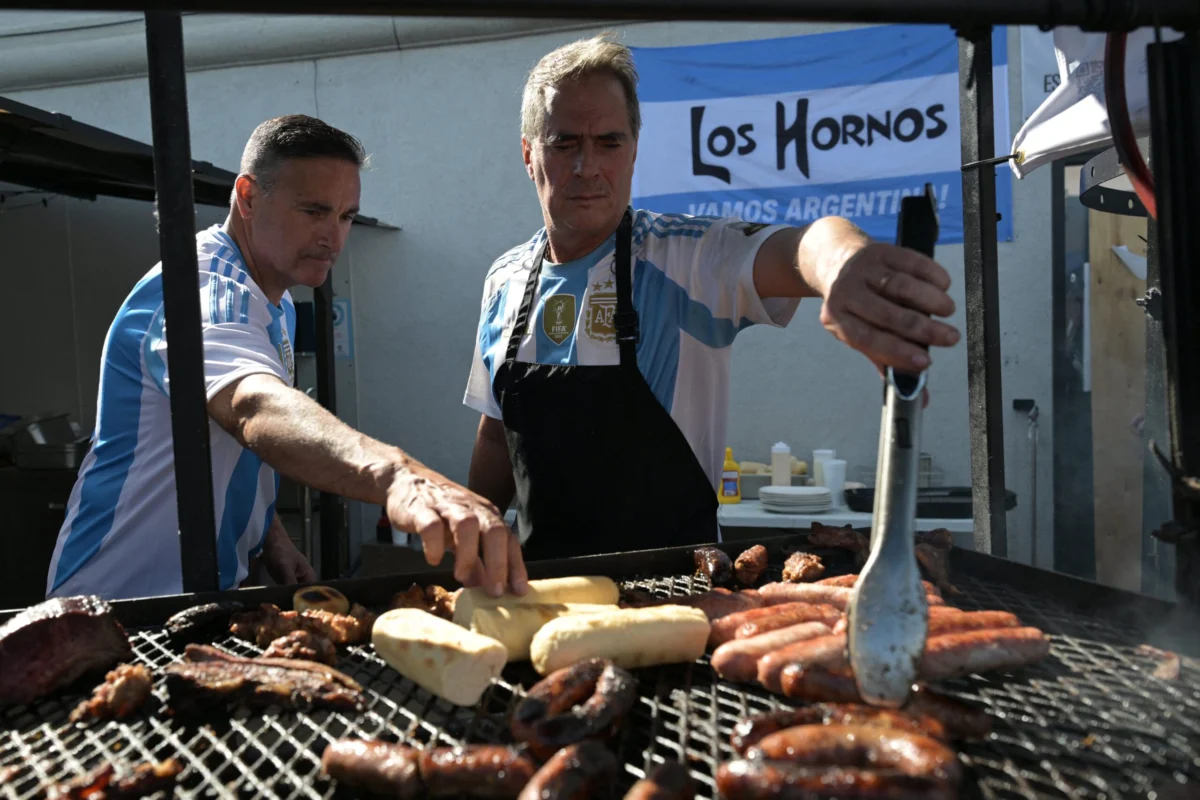
The 2026 culinary season has reached a pivotal juncture, marked by a convergence of high-profile industry accolades, significant shifts in the corporate casual dining sector, and the cultural impact of international tourism during the FIFA World Cup. As the James Beard Foundation recognizes a new tier of excellence in Chicago, the broader restaurant industry is grappling with a dual reality: the decline of legacy chain models and the aggressive emergence of artificial intelligence as a foundational tool for new enterprise. These developments suggest a period of profound transformation for how food is produced, marketed, and consumed in the United States.
The 2026 James Beard Awards: A Shift in Regional Dominance
The James Beard Awards, often described as the "Oscars of the food world," concluded their 2026 ceremony in Chicago with several historic outcomes that signal a shift in the American gastronomic map. For the first time in fifteen years, Las Vegas secured a "Best Chef" award, a milestone that underscores the city’s evolution from a hub of celebrity-chef outposts to a destination for home-grown, innovative culinary talent. Simultaneously, the San Francisco Bay Area ended a notable multi-year drought in major categories, reclaiming its status as a premier center for culinary excellence.
The awards also highlighted the increasing intersection of philanthropy and the hospitality industry. The James Beard Foundation presented an Impact Award to the JBJ Soul Foundation, led by musician Jon Bon Jovi. The foundation’s "Soul Kitchen" model, which utilizes a "pay-it-forward" system to combat food insecurity, was recognized for its scalable approach to community dining. This recognition reflects a broader trend within the James Beard Foundation to prioritize social responsibility and sustainable business models alongside technical culinary skill.
Industry analysts note that the 2026 awards were characterized by a focus on "hyper-regionality." Winners frequently represented establishments that prioritize local supply chains and traditional techniques reimagined for modern palates. This trend was evident in the success of smaller, independent venues that have managed to thrive despite the economic pressures currently facing the broader hospitality sector.
The Volatility of Legacy Chains: Red Lobster and Pizza Hut
While independent restaurants celebrated at the James Beard Awards, the corporate dining sector faced significant upheaval. The closure of the landmark Red Lobster location in Times Square serves as a symbolic end to an era for the brand. This closure follows a tumultuous period for the company, which included a filing for Chapter 11 bankruptcy protection earlier in the year.
The decline of Red Lobster has been attributed to a combination of rising operational costs, high debt loads, and a widely publicized financial loss linked to its "Ultimate Endless Shrimp" promotion, which reportedly cost the company millions in operating income. Following a last-minute sale to a consortium of investors, the company appointed Damola Adamolekun as its youngest-ever CEO. Adamolekun, formerly of P.F. Chang’s, faces the daunting task of modernizing a brand that has struggled to maintain relevance with younger demographics while managing a sprawling real estate portfolio.
In a separate but equally significant move, Yum! Brands announced the sale of Pizza Hut’s global operations, excluding mainland China, to a private equity firm for $2.7 billion. This transition to private equity ownership often signals a period of aggressive cost-cutting and restructuring. Financial analysts suggest that the sale reflects a desire by Yum! Brands to de-risk its portfolio as the "delivery-first" model becomes increasingly competitive and capital-intensive. The implications for Pizza Hut’s thousands of franchisees remain uncertain, as private equity firms typically prioritize short-term cash flow and portfolio optimization over long-term brand heritage.
The Advent of AI-Generated Hospitality: Wonder Create
As traditional models struggle, tech entrepreneurs are proposing a radical reimagining of the restaurant industry through artificial intelligence. At the Wall Street Journal’s Future of Everything conference, Marc Lore, CEO of the food-tech platform Wonder, introduced "Wonder Create." This AI-fueled platform claims to allow users to conceptualize and launch a restaurant in under sixty seconds.
According to Lore, the AI handles every facet of the business: branding, naming, menu descriptions, pricing, nutritional information, and even the specific recipes. This technology aims to lower the barrier to entry for aspiring restaurateurs, but it has sparked intense debate within the culinary community. Critics argue that the automation of recipe development and branding strips the industry of the human creativity and cultural heritage that define successful dining experiences. However, proponents suggest that AI can optimize kitchen efficiency, reduce food waste, and allow operators to focus more on the logistical challenges of the modern food economy.
The rise of "ghost kitchens" and delivery-only models has already laid the groundwork for Lore’s vision. If AI-generated restaurants become a market standard, the industry may see a surge in "ephemeral brands"—dining concepts designed to capitalize on short-term trends before being re-coded into something new.
World Cup 2026: A Catalyst for Tourism and Culinary Exchange
The 2026 FIFA World Cup, hosted across North America, has provided an unprecedented boost to the U.S. food and beverage sector. The influx of millions of international tourists has led to a unique cultural phenomenon: the "discovery" of American casual dining staples by a global audience. Social media platforms have been inundated with content from visiting fans experiencing American food culture for the first time.
Specific trends have emerged from this tourism surge:
- Condiment Culture: International visitors have expressed particular fascination with American ranch dressing and the tradition of complimentary chips and salsa. The demand for ranch dressing was so significant that the Transportation Security Administration (TSA) was forced to issue public reminders regarding the limitations of carrying large bottles of the condiment in carry-on luggage.
- The "Gas Station Gastronomy" Trend: Tourists have taken to social media to document their experiences with American convenience store snacks, praising the variety and novelty of products that are often overlooked by domestic consumers.
- Supply Chain Strains: In host cities like Boston, the sheer volume of visitors has led to localized shortages. Reports from the Boston Globe indicated that Scottish fans traveling to Foxborough for matches nearly exhausted the city’s supply of specific lagers and spirits. Local establishments reported sales volumes that exceeded even the busiest holiday periods, highlighting the massive economic impact of the tournament.
This "World Cup Effect" has provided a temporary but vital lifeline for many bars and restaurants, though it has also exposed vulnerabilities in local supply chains and the need for more robust inventory management during mega-events.
Celebrity Influence and the Premiumization of Home Cooking
The influence of celebrity culture on the culinary world remains potent, as evidenced by the recent nuptials of pop star Dua Lipa and actor Callum Turner in Palermo. The event, which drew a high-profile guest list including Sir Elton John and Charli XCX, made headlines not just for its scale, but for the choice of guest favors. Attendees were reportedly gifted 12-piece sets of Le Creuset cookware.
This choice of gift reflects the ongoing "premiumization" of the home kitchen. Market analysts observe that high-end cookware has transitioned from a utilitarian necessity to a status symbol, driven by the popularity of "home-cook-coded" content on social media. The endorsement of heritage brands by global icons like Dua Lipa reinforces the aspirational nature of the culinary arts, bridging the gap between professional gastronomy and domestic life.
Analysis of Broader Implications
The events of mid-2026 suggest an industry at a crossroads. The success of the James Beard winners indicates that there is still a robust market for authenticity, craft, and human-centric service. However, the corporate maneuvers of Pizza Hut and Red Lobster, combined with the technological ambitions of Marc Lore, point toward a future where the mid-tier dining market is increasingly dominated by efficiency, automation, and financial engineering.
The World Cup has demonstrated that American food culture possesses a "soft power" that resonates globally, even if that culture is centered on casual staples rather than fine dining. This global interest provides an opportunity for American brands to export their identities, but it also places a spotlight on the sustainability of current supply chains and the labor models that support them.
As the industry moves forward, the primary challenge will be balancing the efficiency offered by AI and private equity with the soul and service that have historically defined the restaurant experience. The 2026 James Beard Awards served as a reminder that at its highest level, hospitality is an art form. Whether that art form can survive the rapid digitization and corporatization of the broader market remains the central question for the next decade of American dining.