Layla Zulfa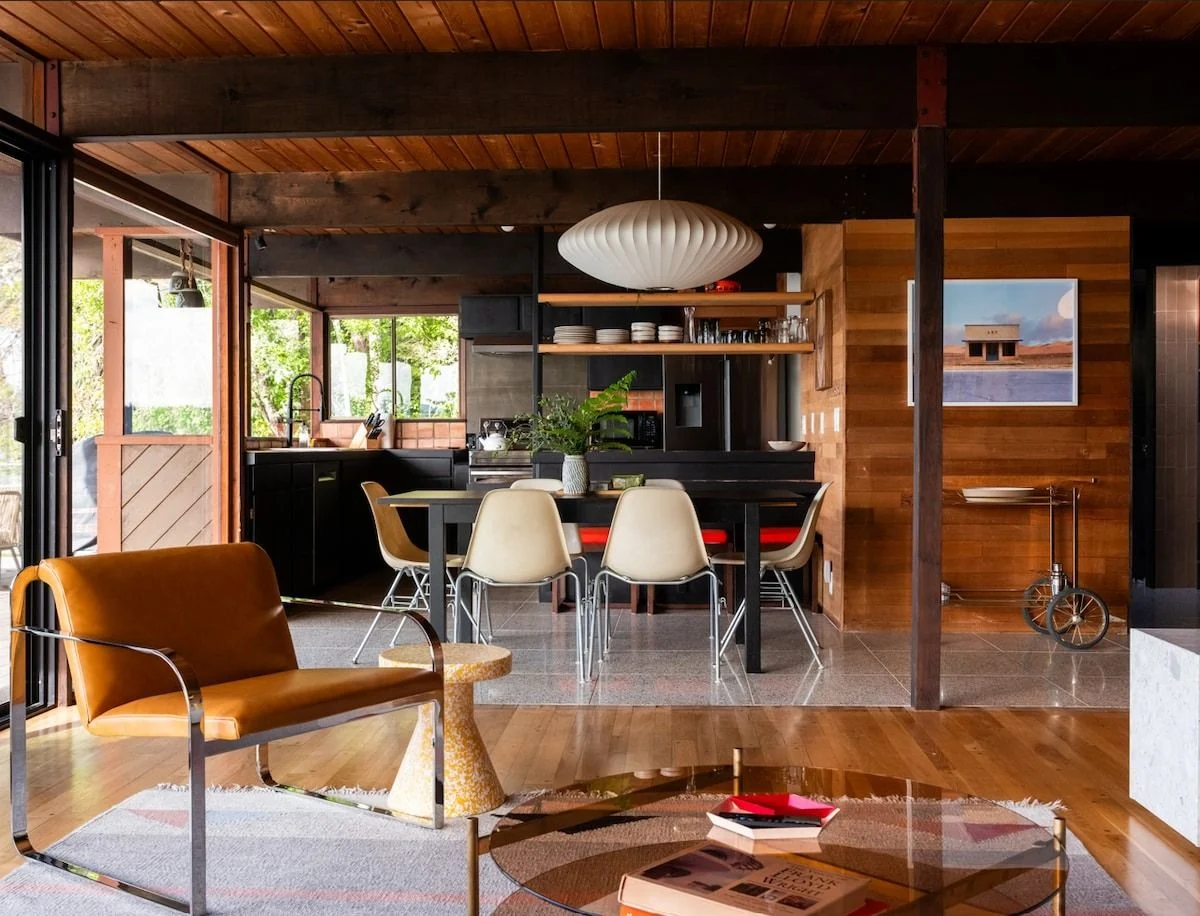
Seattle has long served as a dual gateway, functioning simultaneously as a global headquarters for the technological vanguard and a sanctuary for those seeking the rugged isolation of the American West. In recent decades, the city has undergone a profound architectural and demographic transformation, transitioning from a timber and aerospace-dependent economy into a primary hub for the digital age. Despite this rapid modernization, the city has retained a unique "biophilic" appeal—a design philosophy that seeks to integrate natural elements into the built environment. As the Pacific Northwest prepares for a surge in international tourism, bolstered by upcoming events such as the 2026 FIFA World Cup, the region’s hospitality sector is seeing a renaissance of design-forward accommodations that cater to a sophisticated, urbanite demographic.
The contemporary Seattle aesthetic is defined by its dramatic topography, characterized by rolling hills, modernist glass towers, and the ever-present silhouettes of the Olympic and Cascade mountain ranges. While the city’s rainy reputation persists, a new generation of restaurants, boutiques, and hotels is reframing the grey skies as a backdrop for cozy, high-concept interiors. From the historic charm of Victorian-era neighborhoods like Queen Anne to the maritime isolation of the San Juan Islands, the regional stay experience has become as much about the architecture as the destination itself.
The Urban Core: Integrating Nature and Modernity
Seattle’s downtown and surrounding neighborhoods have seen a significant shift toward sustainable luxury. According to data from Visit Seattle, the city’s official destination marketing organization, hotel occupancy and demand for boutique experiences have steadily climbed as travelers move away from standardized lodging in favor of properties that reflect local culture and environmental values.
1 Hotel Seattle: A Benchmark for Biophilic Luxury
The 1 Hotel Seattle represents the pinnacle of the city’s biophilic movement. Part of a global brand known for its rigorous sustainability standards, the Seattle outpost is designed to feel like an extension of the evergreen forests that surround the metropolitan area. The interior architecture utilizes reclaimed wood accents and locally sourced stone, creating a "woodland getaway" atmosphere within the city’s high-rise district. Common spaces are characterized by walls of live greenery, which serve both an aesthetic and functional purpose by improving indoor air quality.
The property’s commitment to wellness is evident in its amenities, which include a state-of-the-art fitness center and a lobby program that fosters community engagement through book clubs and wine tastings. The on-site culinary program emphasizes the region’s maritime heritage, offering seafood-focused Spanish tapas. For the business traveler or the design enthusiast, the hotel provides a seamless blend of natural tranquility and urban accessibility, with rooms starting at approximately $288 per night.
The Thompson Seattle: Architectural Innovation by Olson Kundig
Located steps from the historic Pike Place Market, The Thompson Seattle is a testament to the influence of local architectural firms on the city’s skyline. Designed by the world-renowned firm Olson Kundig, the hotel features a striking glass facade that mirrors the waters of Elliott Bay. The interior design avoids the clichés of "Pacific Northwest rustic," opting instead for a mid-century modern aesthetic characterized by leather upholstery, metallic accents, and streamlined furniture.
The Thompson serves as a social hub for both tech professionals and tourists, particularly at "The Nest," its 16th-floor rooftop bar. This venue offers some of the most comprehensive views of the Olympic Mountains and the Puget Sound, making it a primary destination for high-end events. With spacious suites and a pet-friendly policy, the Thompson caters to a diverse clientele looking for a sophisticated home base in the city’s most active district.
The Neighborhood Experience: Historic Charm and Eclectic Design
Beyond the skyscrapers of the central business district, Seattle’s neighborhoods offer a more intimate look at the city’s cultural evolution. Neighborhoods like Fremont and Queen Anne provide a contrast between the "quirky" artistic history of the city and its more formal, historic roots.
Palihotel Seattle: Boutique Sophistication at Pike Place
Directly across from the neon sign of Pike Place Market, Palihotel Seattle offers a departure from the sleek minimalism of its downtown competitors. The hotel adopts a "quaint bed and breakfast" ethos but executes it with a highly curated, eclectic design. Rooms are characterized by deep green walls, floral chintz headboards, and SMEG refrigerators, creating a nostalgic yet modern atmosphere.
The Palihotel is particularly noted for its affordability relative to its prime location, with rates starting as low as $130 per night. Its lobby restaurant, The Hart and The Hunter, has become a local favorite for its focus on regional ingredients and communal dining. This property illustrates a broader trend in Seattle hospitality: the repurposing of historic urban buildings into high-design boutique stays that prioritize "creature comforts" and local flavor.
The Graduate Seattle: Academic Heritage in the University District
In the northern reaches of the city, near the University of Washington, The Graduate Seattle occupies a historic 1930s Art Deco building. The design narrative here is firmly rooted in "vintage academia," utilizing fringed velvet armchairs, checked sofas, and Huskies memorabilia to evoke a sense of collegiate nostalgia. The hotel serves as a cultural repository, featuring artwork by UW alumni and tributes to the city’s artistic history. Its rooftop bar provides a vantage point for viewing the sprawling campus and the city skyline, making it a unique destination outside the traditional tourist corridors.
The Puget Sound Islands: Seclusion and Restoration
The narrative of Pacific Northwest travel is incomplete without the inclusion of the Sound’s many islands. These destinations require a ferry journey—a transit experience that is considered a quintessential part of regional tourism. Washington State Ferries, the largest ferry system in the United States, transports millions of passengers annually to islands that offer a slower pace of life.
Captain Whidbey Inn: A Century of Maritime History
On Whidbey Island, the Captain Whidbey Inn has stood since 1907. This historic lodge has been carefully restored to preserve its original log cabin walls while integrating modern luxury. The inn functions as a hub for outdoor enthusiasts, providing kayaks and hiking maps for the surrounding trails. A unique feature of the property is its series of mini-suite cabins, each designed in collaboration with iconic Pacific Northwest brands such as Filson and Glasswing. This partnership between the hospitality and retail sectors highlights a regional trend toward "brand-integrated" stays that emphasize local craftsmanship.
The Inn at Langley: Serenity on the Edge of the Sound
Further south on Whidbey Island, The Inn at Langley offers a more contemporary take on island luxury. The property is designed so that every guest room faces the water, with balconies that allow for private viewing of the sunset over the Sound. The Inn is renowned for its multi-course tasting menu, which showcases the "farm-to-table" philosophy that has dominated the region’s culinary scene for decades. With rooms starting at $754, it represents the high-end tier of the island’s "mental reset" tourism market.
Outlook Inn: The Scenic Peak of Orcas Island
Orcas Island, often cited as the "gem of the San Juans," is home to the Outlook Inn. Located 80 miles northwest of Seattle, this property offers a level of seclusion that is difficult to find in the lower 48 states. The design is intentionally minimalist—white walls and light wood accents—to ensure that the focus remains on the dramatic waterfront views. The island’s economy is heavily dependent on seasonal tourism, and properties like the Outlook Inn are central to the region’s efforts to promote sustainable, low-impact travel.
The Rise of the Residential Retreat: Design-Forward Vacation Rentals
As the short-term rental market matures, a new category of "curated homes" has emerged in the Seattle area. These properties often rival boutique hotels in their design rigor and offer a level of privacy that traditional lodging cannot match.
A Hidden Forest Sanctuary and the Modern Treehouse
On Bainbridge Island, the "Hidden Forest Sanctuary" utilizes Japanese-inspired minimalism to create a space for restoration. Featuring a tea station and an outdoor firepit, the home reflects the deep cultural ties between the Pacific Northwest and the Pacific Rim. Meanwhile, in Seattle’s Madison Valley neighborhood, the "Modern Treehouse Retreat" offers a "Japandi" (Japanese-Scandinavian) aesthetic. These stays are increasingly popular for "staycations" among local tech workers and for international visitors seeking a more authentic residential experience.
Economic Implications and Future Outlook
The diversification of Seattle’s hospitality landscape is not merely a matter of aesthetics; it is a strategic response to shifting economic realities. The city is preparing to host several matches for the 2026 FIFA World Cup, an event expected to bring hundreds of thousands of international visitors to the region. Local government and tourism boards are leveraging the city’s design credentials to position Seattle as a premier global destination.
Analysis suggests that the "design-friendly" hotel sector will continue to expand as travelers prioritize unique, Instagram-sharable environments that also offer high-quality service. The integration of local brands, the emphasis on biophilic design, and the expansion of luxury services into the surrounding islands are all indicators of a robust and evolving tourism economy. As Seattle continues to grow as a tech and cultural capital, its hospitality industry stands ready to provide a sophisticated, nature-integrated welcome to the world, rain or shine.