
 Danny Garick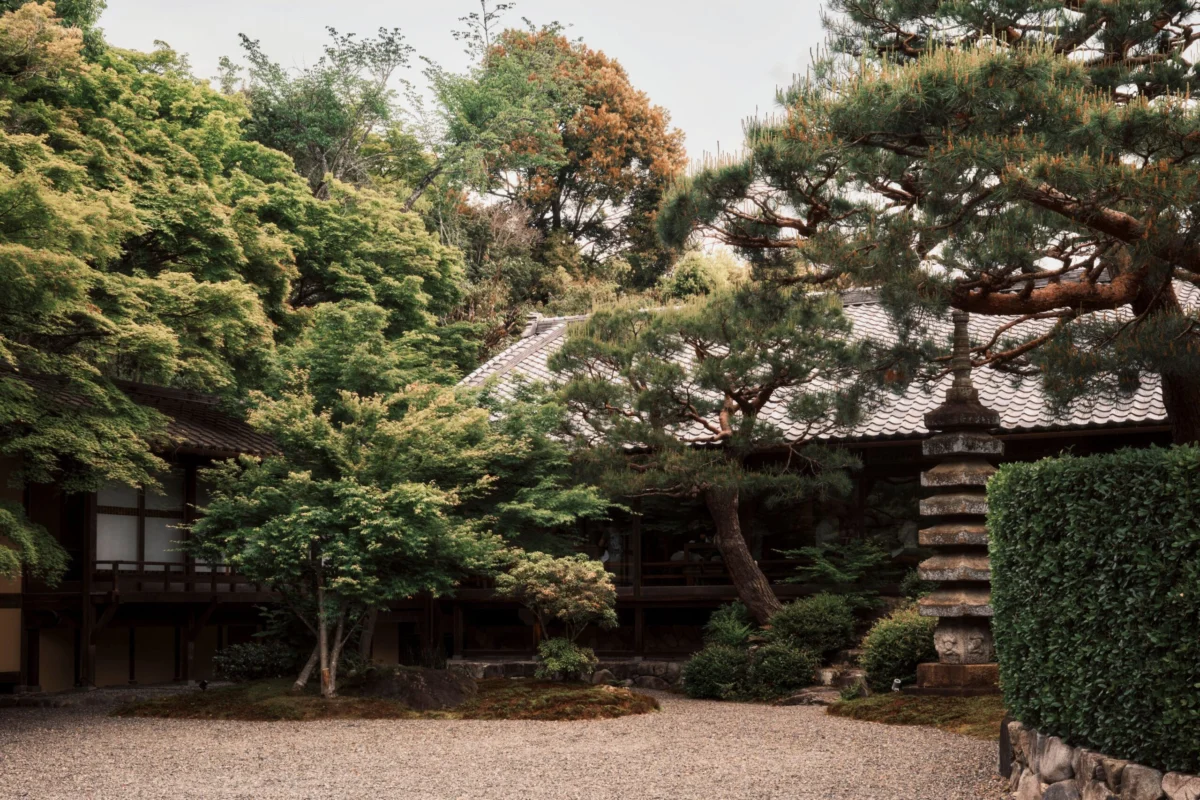
In the competitive landscape of high-end global hospitality, the definition of luxury has shifted from mere material opulence toward the curation of authentic, hyper-local experiences. Suiran, a 39-room boutique property situated along the Hozu River in Kyoto, serves as a primary case study for this evolution. As part of The Luxury Collection’s broader initiative to offer immersive multi-day itineraries across Japan, the hotel has integrated the ancient craft of fermentation into its core guest programming. By bridging the gap between historical agricultural practices and modern haute cuisine, Suiran aims to provide a sensory narrative that extends well beyond the boundaries of a standard hotel stay.
The Property and its Historical Context
The Suiran property occupies a significant position in the Arashiyama district, a region historically favored by Kyoto’s nobility for its temperate climate and scenic natural beauty. The hotel grounds are anchored by a Meiji-era gate—a structural remnant from the late 19th century—which serves as a threshold between the modern, fast-paced world and the serene, mountainous expanse of the Arashiyama forest.
The architecture reflects a deliberate synthesis of historical preservation and contemporary luxury. The site maintains a 39-room footprint, a modest size that allows for high-touch service and architectural intimacy. Of particular note in the facility’s design is the inclusion of traditional onsen technology; 17 of the rooms are equipped with private outdoor mineral baths fed by the Arashiyama hot springs. According to property management, the integration of these natural elements is not merely an aesthetic choice but a functional component of the wellness-oriented hospitality model currently favored by high-net-worth travelers visiting Japan.
The Fermentation Expedition: A Chronology of Craft
The cornerstone of Suiran’s recent guest programming is the "Fermentation Expedition," a multi-day itinerary that traverses Tokyo, Kyoto, and Nara. This program is designed to provide guests with a technical understanding of the role of fermentation in Japanese culinary history.

The Kyoto leg of the program begins at the Mori family farm, a 1.5-acre agricultural site that has been in operation for multiple generations. The objective of this phase is to illustrate the labor-intensive nature of ingredient sourcing. Guests participate in the cultivation of seasonal produce, such as kamo eggplant, which is fundamental to the local diet. Following the agricultural stage, participants visit the Kyo-Tsukemono Mori factory, an institution that has specialized in tsukemono (pickled vegetables) for over 50 years.
During this guided session, participants are introduced to the nuka-zuke method. Unlike brine-based pickling common in Western traditions, nuka-zuke involves burying vegetables in a mixture of rice bran, salt, and water. This medium creates an anaerobic environment where lactobacillus bacteria and wild yeasts metabolize the sugars in the vegetables. The process requires constant management, as the "nuka-doko" (the fermentation bed) must be stirred daily to maintain the correct microbial balance. This hands-on education provides a technical foundation for the evening’s dining experience, illustrating the labor and biological science inherent in traditional Japanese preservation.
Culinary Strategy at Kyo Suiran and Cafe Hassui
Dining at Suiran is divided between the casual, landscape-focused offerings of Cafe Hassui and the technical, high-end gastronomy of the main restaurant, Kyo Suiran. Cafe Hassui, located in the property’s oldest structure, utilizes the panoramic view of the Hozu River as a primary amenity. The menu here focuses on afternoon tea services, often featuring partnerships with regional confectioners such as Kameya Yoshinaga, which emphasize seasonal availability and the regional aesthetic of Kyoto sweets.
Kyo Suiran, the flagship dining room, employs a fusion philosophy that combines French culinary structure with Japanese seasonality. The restaurant’s back-of-house operations feature a four-seat teppanyaki counter, which serves as a laboratory for the hotel’s "Fermentation-Forward" tasting menu. Chef Tsubasa Yamaguchi, who oversees the teppanyaki experience, utilizes a variety of fermentation agents—koji, miso, and natto—to alter the flavor profiles of proteins such as Wagyu beef and pike conger.
Analytical data from the kitchen indicates a heavy reliance on local, historically significant produce. For instance, the use of mangani peppers, a variety bred locally during the Meiji era, provides a thematic link between the hotel’s architecture and its menu. The incorporation of suguki pickles—a byproduct of Kyoto turnip greens—into modern dishes like Madras curry demonstrates a deliberate effort to keep traditional preservation methods relevant within a contemporary fine-dining framework.
Broader Economic and Cultural Implications

The development of such immersive experiences reflects a strategic shift within the luxury hotel sector. According to industry analysis, travelers are increasingly prioritizing "experiential value" over traditional luxury markers. By partnering with legacy agricultural producers like the Mori family, hotels like Suiran are effectively positioning themselves as cultural gatekeepers.
This strategy carries several implications for the local tourism economy:
- Support for Legacy Artisans: By integrating local farmers and traditional pickle makers into the guest experience, the hotel provides a consistent revenue stream and international visibility for businesses that might otherwise struggle to compete with industrial-scale food production.
- Cultural Preservation: The documentation and teaching of fermentation techniques ensure that the culinary heritage of the region is preserved and transmitted to an international audience, potentially safeguarding these skills against the pressures of urbanization.
- Supply Chain Integration: The "farm-to-table" model at Suiran is literal; the ingredients sourced during the morning expedition are often served in the evening meal. This minimizes the carbon footprint associated with transport and maximizes the freshness of the product, a metric that has become a key performance indicator for high-end hospitality.
The success of the program suggests that guests are willing to engage with complex, academic-level learning in exchange for a deeper connection to the location. The provision of a personalized tub of tsukemono for guests upon their return to their rooms serves as a tangible souvenir of this education, bridging the gap between the ephemeral experience of a meal and the long-term appreciation of the craft.
Future Outlook for Culinary Tourism
The success of the Suiran model indicates that the "Hotels With Great Taste" initiative is part of a larger trend in which high-end properties are evolving into educational institutions. As the demand for transparency in food sourcing grows, the ability to demonstrate the provenance of ingredients—and the technical skill required to prepare them—will likely become a standard expectation for luxury travelers.
The integration of fermentation at Suiran is not merely a gastronomic novelty but a reflection of a broader global interest in sustainable, historically rooted dietary practices. As the hotel continues to refine these itineraries, it provides a replicable framework for other luxury entities looking to balance the high-performance demands of international tourism with the preservation of regional identity. The quietude of the Arashiyama forest remains the backdrop, but the active engagement with the region’s history is what ultimately defines the guest experience. In this context, the hotel functions as a vessel for both the history of the Meiji era and the future of culinary tourism.









