Kang Muslim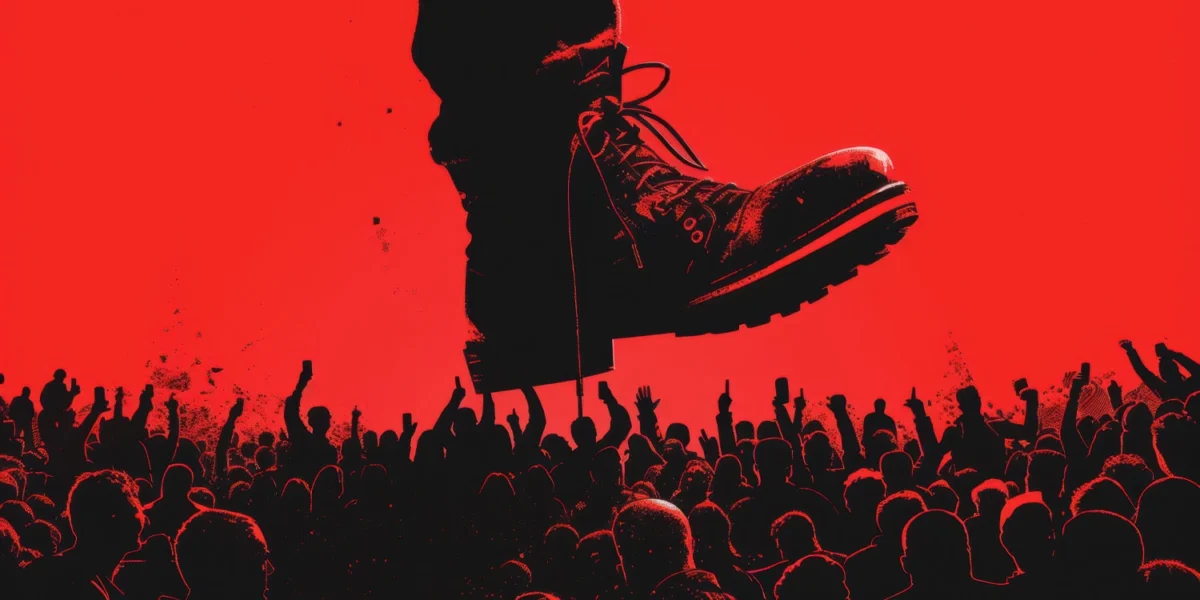
Defining the Construct: The Mechanics of Tight and Loose Cultures
At the heart of this research is the concept of cultural tightness-looseness, a framework popularized in modern psychology to describe the degree to which a society enforces social norms and tolerates deviance. Tight cultures are characterized by clear, pervasive social expectations and high levels of monitoring. In these environments, social sanctions for "breaking the rules" are frequent and severe. Conversely, loose cultures are defined by weaker norms and a high tolerance for diverse behaviors, lifestyles, and eccentricities.
According to the researchers, these cultural signatures are not arbitrary. Historically, tightness often emerges as a collective survival mechanism. Societies that have faced chronic ecological or human-made threats—such as frequent natural disasters, resource scarcity, high population density, or the constant threat of territorial invasion—tend to develop tighter norms. In such high-stakes environments, strict coordination and unwavering conformity are essential for group survival and the efficient distribution of limited resources. While this rigidity fosters social stability and safety, it often comes at the cost of individual expression and openness to "the other."
A Multi-Methodological Approach: The Chronology of the Research
The investigation by Wilson and Calanchini was structured into two distinct but related studies, designed to test the robustness of cultural tightness across different scales of human organization.
The first study focused exclusively on the United States, a nation often perceived as a monolith of individualism but which contains significant regional variation. To capture this complexity, the researchers utilized a "triangulation" method of data collection. They integrated an established archival index of cultural tightness for U.S. states—which includes objective markers such as the legality of corporal punishment, religious adherence rates, and the prevalence of dry counties—with self-report data from Project Implicit. Project Implicit is a massive, long-term research project based at Harvard University that tracks implicit biases and sociopolitical attitudes. Finally, the researchers conducted their own original survey of 1,290 participants across 45 states to gauge contemporary perceptions of norm enforcement.
The second study expanded the lens to a global scale, examining associations across dozens of nations. This phase utilized data from two major international projects: the International Study of Metanorms (involving 22,863 participants) and the International Situations Project (involving 13,278 participants). By comparing data from over 50 countries, the researchers sought to determine if the psychological patterns observed in the U.S. were universal or culturally specific.
Sociopolitical Ideologies and the Rise of "Bayesian Racism"
One of the most striking findings of the U.S.-based study was the strong correlation between cultural tightness and specific sociopolitical ideologies. Residents of culturally tighter states were significantly more likely to endorse Right-Wing Authoritarianism (RWA) and Social Dominance Orientation (SDO). RWA is characterized by a preference for traditionalism and a submission to established authorities, while SDO reflects a preference for hierarchical social structures and the belief that some groups are naturally superior to others.
The study also introduced a nuanced perspective on prejudice through the concept of "Bayesian racism." This term describes a cognitive style where individuals believe it is logically rational to discriminate against others based on existing racial stereotypes. In tight cultures, where the "need for certainty" is high and ambiguity is viewed as a threat, individuals may rely more heavily on these stereotypes as a way to navigate social interactions predictably. The researchers found that tightness was a consistent predictor of this type of racialized thinking, as well as a stronger belief in a "Just World"—the idea that people get what they deserve and deserve what they get, which often serves to justify existing social inequalities.
Furthermore, the data indicated that individuals in tighter states were more likely to adhere to the "Protestant Work Ethic," a belief system emphasizing hard work, discipline, and frugality as a path to moral and material success. Conversely, these individuals showed lower levels of egalitarianism—the belief in the fundamental equality of all people—though this specific link was most visible when measuring tightness through archival, state-level data rather than personal surveys.
Cognitive Styles and the Psychological Need for Structure
Beyond political beliefs, the research delved into the cognitive architecture of individuals living in tight versus loose environments. Cultural tightness was found to be a robust predictor of a "personal need for structure." Individuals in tight states reported a higher desire for order, predictability, and the avoidance of ambiguity.
This need for a structured environment is often mirrored by a lower "need for cognition." Need for cognition is a psychological trait referring to the extent to which people engage in and enjoy effortful cognitive activities. In loose cultures, where norms are flexible and the environment is unpredictable, individuals may be more habituated to complex, nuanced thinking. In contrast, the clear-cut rules of a tight culture provide "pre-packaged" answers to social questions, potentially reducing the motivation for complex individual analysis.
The study also found that tightness was associated with "self-monitoring"—the act of observing and regulating one’s behavior to accommodate social situations. In a culture where deviance is punished, the ability to read social cues and "fit in" becomes a vital survival skill. Additionally, the archival data suggested that tightness correlates with higher "impression management" (the conscious or subconscious process in which people attempt to influence the perceptions of others) and lower levels of self-deception.
The Personality Paradox: Extraversion and Openness
When examining the "Big Five" personality traits—Openness, Conscientiousness, Extraversion, Agreeableness, and Neuroticism—the researchers encountered a complex and sometimes contradictory set of results.
In the United States, individuals in tighter states were found to be more conscientious and extraverted, but less open to new experiences. However, these findings were highly sensitive to the method of measurement. The links to conscientiousness (being organized and disciplined) and extraversion (being outgoing and energetic) were prominent when looking at archival data (the objective state-level index) but disappeared in survey-based data.
On the global stage, the findings regarding openness remained consistent: people in tighter countries are generally less open to experience, particularly regarding creative pursuits and unconventional ideas. However, a major divergence occurred regarding extraversion. While tight U.S. states appeared more extraverted, tighter countries on a global scale appeared significantly less extraverted. This suggests that the social expression of extraversion may function differently depending on the specific cultural history of a nation.
Scientific and Social Implications
The conclusion drawn by Wilson and Calanchini is that cultural tightness is a "parsimonious predictor" of psychological variation. In simpler terms, knowing the "tightness" of a region provides a significant amount of information about the likely beliefs and personalities of the people living there.
The implications of this are profound for understanding modern political polarization. If geographic regions differ fundamentally in their "need for certainty" and "tolerance for deviance," then political conflicts may not just be about different opinions, but about different underlying psychological needs. A "loose" individual’s demand for personal autonomy may feel like a direct threat to the "tight" individual’s need for social order and predictability.
However, the researchers also offered a cautionary note regarding the "measurement gap." The fact that different results emerged depending on whether they used objective archival data or subjective survey data suggests that "tightness" is a multi-layered construct. What a state’s laws say (archival) and what the people in that state feel (survey) are not always the same thing. This discrepancy highlights the need for future research to refine how cultural properties are quantified.
Future Outlook: Stability vs. Innovation
The study underscores the inherent trade-offs in cultural organization. Tight cultures offer the benefits of high social coordination, lower crime rates, and a strong sense of collective identity and discipline. These are the societies that may be best equipped to handle sudden crises, such as pandemics or natural disasters, where strict adherence to rules is a matter of life and death.
On the other hand, loose cultures are the engines of innovation, creativity, and social progress. By allowing individuals to deviate from the norm, these societies foster the "disruptive" thinking necessary for technological and artistic breakthroughs. However, they may also struggle with higher rates of social disorder and a lack of national cohesion.
As the world becomes increasingly interconnected, the friction between these two cultural styles is likely to intensify. The work of Wilson and Calanchini provides a vital framework for understanding this friction, suggesting that our deepest-held beliefs and personality traits are not just internal choices, but are deeply rooted in the "tightness" or "looseness" of the world around us. This research invites a broader conversation on how societies can balance the need for order and safety with the essential human requirement for freedom and diversity.