Nila Kartika Wati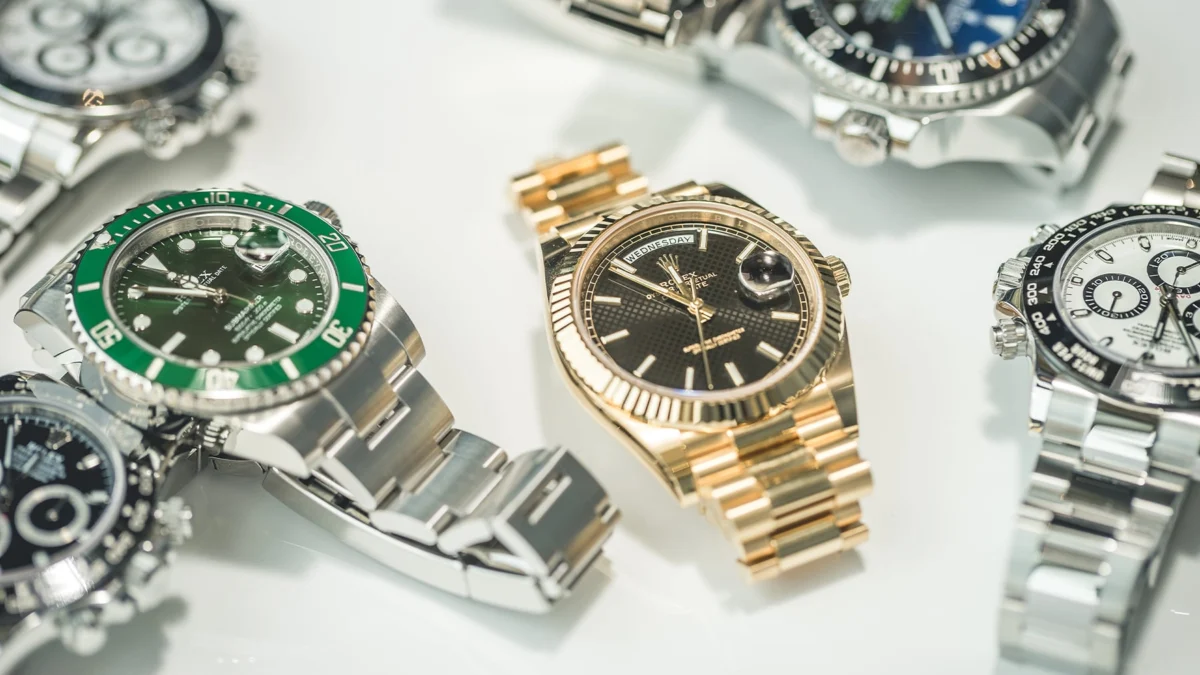
The global luxury market, often seen as a barometer of economic sentiment, is currently exhibiting a bifurcated trend, with ultra-high-net-worth individuals demonstrating a continued appetite for investment-grade timepieces, while the broader middle-class consumer base curtails discretionary spending. This divergence is starkly illustrated by the recent, and somewhat surprising, second price increase implemented by Rolex this year, a move that has underscored the enduring appeal and perceived value of the Swiss watchmaker’s creations among its most affluent clientele.
This latest adjustment, which took effect recently, saw a notable uptick in the retail prices of various Rolex models. While specific figures vary by reference and market, industry observers have noted increases averaging between 5% and 10% across a range of popular collections, including the Submariner, Daytona, and Datejust. This marks the second such revision from Rolex in 2023, a departure from its historically more measured approach to pricing. Previously, Rolex had maintained a more consistent, often single, annual price adjustment, typically occurring at the beginning of the year. The decision to implement a mid-year increase has therefore surprised market participants and fueled discussion about the underlying dynamics of the luxury watch sector.
The Shifting Sands of Luxury Consumption
The broader luxury goods market has faced a period of recalibration. Following a robust post-pandemic surge, characterized by pent-up demand and significant wealth accumulation among certain demographics, the sector is now navigating a more complex economic landscape. Rising inflation, increasing interest rates, and geopolitical uncertainties have begun to temper consumer confidence, particularly among those with less substantial disposable incomes. This has led to a noticeable slowdown in spending on aspirational luxury items, such as designer apparel, accessories, and entry-level luxury goods, by the middle-class consumer. These individuals, often more sensitive to economic fluctuations, are reportedly prioritizing essential expenses and delaying non-critical purchases.
Conversely, the market for ultra-luxury goods, particularly those with strong investment potential and intrinsic value, appears to be largely insulated from these headwinds. For the super-rich, whose wealth cushions them from the immediate impact of economic downturns, the motivation for purchasing high-end assets like investment timepieces extends beyond mere ostentation. These watches, especially from esteemed brands like Rolex, are increasingly viewed as tangible assets that can hold or even appreciate in value over time, offering a hedge against inflation and a store of wealth.
Rolex’s Strategic Pricing and Market Position
Rolex’s pricing strategy has always been a carefully orchestrated dance between exclusivity, brand perception, and market demand. The brand’s unwavering commitment to quality, craftsmanship, and a consistent production output, coupled with a deliberate strategy of controlled scarcity, has cultivated an environment where demand consistently outstrips supply for many of its most coveted models. This imbalance is a key driver of the secondary market, where pre-owned Rolex watches often trade at significant premiums over their original retail prices.
The decision to implement a second price increase this year can be interpreted through several lenses. Firstly, it reflects the company’s confidence in its brand equity and the continued robust demand from its core customer base. By raising prices, Rolex reinforces the perception of exclusivity and desirability, further solidifying its position at the apex of the luxury watch hierarchy. Secondly, it may be a strategic response to rising production costs, including raw materials, labor, and energy, which have affected manufacturers across all sectors. However, given Rolex’s premium positioning, it is unlikely that cost increases are the sole driver; the brand possesses the leverage to absorb some of these pressures.
A more compelling analysis points to the psychological impact of such a move. For existing owners, a price increase on new models can indirectly bolster the perceived value of their current holdings. For prospective buyers, particularly those on the cusp of entering the ultra-luxury segment, it can act as an impetus to purchase sooner rather than later, fearing further price escalations. This is particularly relevant for investment-minded collectors who see these timepieces as assets rather than mere accessories.
Historical Context and Market Trends
Rolex has a long history of strategically managing its pricing to maintain brand prestige. While price adjustments are a standard practice for most luxury goods manufacturers, Rolex’s approach has been characterized by a certain deliberateness and infrequency. For decades, a single annual price adjustment, usually in January, was the norm. This predictability contributed to the stability of the brand’s market value and its perception as a reliable investment.
However, recent years have seen a slight deviation from this established pattern. The COVID-19 pandemic, with its subsequent supply chain disruptions and a surge in online luxury sales, coupled with the aforementioned wealth effect, led to unprecedented demand and price appreciation in the secondary market. This environment may have prompted a re-evaluation of Rolex’s pricing strategy. The initial price hike in early 2023 set the stage for the subsequent mid-year adjustment, signaling a potential shift towards more dynamic pricing, albeit still within a framework of controlled exclusivity.
Data from industry analytics firms, such as WatchCharts and Chrono24, has consistently shown strong secondary market performance for many Rolex models, even as broader economic indicators have softened. While the exponential growth seen during the peak of the pandemic may have moderated, these watches continue to command significant premiums, underscoring their status as sought-after collectibles and investment vehicles. For example, reports from late 2022 and early 2023 indicated that certain stainless steel Rolex sports models were trading at over double their retail price on the secondary market. While these premiums may have seen some contraction in recent months, they remain substantially higher than pre-pandemic levels.
Reactions and Implications for the Market
The reaction from the watch collecting community and industry analysts has been a mix of acknowledgment and debate. Many seasoned collectors understand that price adjustments are inevitable in the luxury sector, particularly for a brand with Rolex’s market power. However, the frequency and timing of this second increase have prompted discussions about the brand’s long-term strategy and its relationship with both the primary and secondary markets.
Some speculate that this move is an attempt by Rolex to further align its retail prices more closely with the prevailing secondary market values, thereby capturing more of the profit that currently accrues to resellers. This could, in theory, help to cool the speculative frenzy surrounding certain models by making them less attractive for rapid flipping.
For authorized dealers, this presents both opportunities and challenges. While higher retail prices generally translate to higher revenue per unit, the continued scarcity of popular models means that allocations remain a critical factor. The increased prices may also slightly broaden the gap between the official retail price and what some consumers are willing to pay on the secondary market, thus perpetuating the dynamic of high premiums.
The broader implication for the luxury watch industry is a reinforcement of the stratification within the market. Brands that can command such pricing power and maintain consistent demand, even in challenging economic times, are likely to continue thriving. This suggests that the appeal of investment-grade watches, particularly those from established maisons with a proven track record of value retention, remains exceptionally strong among the world’s wealthiest individuals.
As the global economic outlook remains uncertain, the resilience of the ultra-luxury segment, as exemplified by Rolex’s pricing strategy, offers a compelling narrative. It highlights how different economic strata react to market pressures and underscores the enduring allure of tangible assets that are perceived to offer both status and financial security. The continued success of brands like Rolex in navigating these complexities will be a key indicator of the health and evolution of the luxury market in the coming years. The brand’s ability to maintain its mystique and desirability, even as it adjusts its pricing, is a testament to its carefully cultivated brand narrative and its deep understanding of its discerning clientele.