
 Johny Marice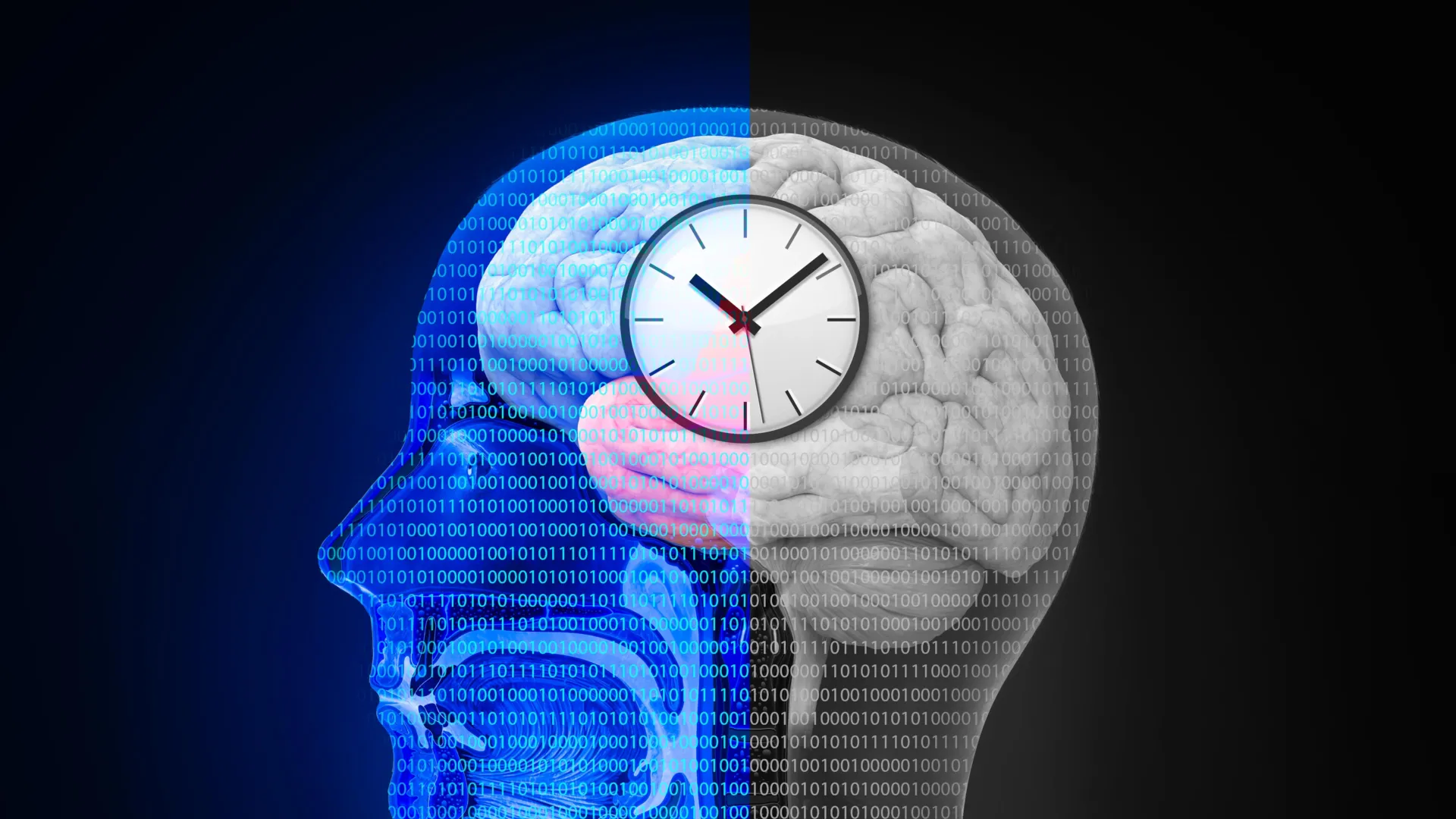
A groundbreaking study from the University of Rochester Medicine has unveiled a transformative potential for stroke rehabilitation by focusing on the body’s internal timekeeping mechanism. Published in the Journal of Clinical Investigation, the research posits that reinforcing circadian rhythms can significantly enhance the brain’s natural waste-clearance system, thereby accelerating recovery and mitigating long-term neurological damage. This discovery shifts the clinical perspective of a stroke from a purely vascular emergency to a complex disorder of biological timing, offering a promising, non-invasive therapeutic frontier for millions of patients worldwide.
The human brain is a master of rhythm, governed by a sophisticated internal clock that dictates everything from sleep-wake cycles to the metabolic processes of individual cells. However, when a stroke occurs, this delicate orchestration is often shattered. Researchers have long noted that strokes frequently manifest in specific temporal patterns—clustering in the early morning hours and often presenting with greater severity following periods of sleep disruption. Until now, the medical community has primarily focused on the immediate, acute phase of stroke management, centered on the rapid restoration of blood flow. This new research suggests that the recovery process is equally dependent on the brain’s ability to "clean house" once the initial vascular crisis has passed.
The Glymphatic System: The Brain’s Sanitation Department
To understand the magnitude of this discovery, one must look back to 2012, when neuroscientist Maiken Nedergaard, MD, DMSc, and her team at the University of Rochester identified the glymphatic system. This intricate network, which acts as a microscopic plumbing system for the brain, facilitates the flow of cerebrospinal fluid (CSF) through brain tissue. Its primary function is to flush out metabolic waste, debris, and potentially harmful proteins—a process that is remarkably efficient during deep sleep.
In 2020, Dr. Lauren Hablitz, a lead researcher in this field, expanded upon this foundation by establishing that the glymphatic system is not merely a passive byproduct of sleep. Instead, it is rigorously governed by the circadian clock. Even when sleep is absent, the glymphatic system follows a 24-hour cycle of activity. When a stroke occurs, this rhythm is disrupted, leading to a "clogged" brain environment where toxic inflammatory molecules, which should be cleared away, instead accumulate, exacerbating secondary damage and slowing the recovery of motor and cognitive functions.
Chronology of the Discovery
The trajectory of this research represents a decade of interdisciplinary investigation. The sequence of breakthroughs is as follows:
- 2012: Discovery of the glymphatic system by the Nedergaard laboratory, identifying how the brain removes waste.
- 2013-2019: Successive studies confirm that glymphatic activity is most robust during sleep and that stroke events lead to a degradation of this system’s efficiency.
- 2020: A landmark study by Hablitz and colleagues demonstrates that the glymphatic system is under circadian control, independent of sleep states.
- 2024: The current study establishes that "resetting" the circadian rhythm via behavioral and pharmacological interventions can jump-start the glymphatic system, even days after a stroke, leading to significant neurological improvement in animal models.
Data-Driven Recovery: Testing the Circadian Hypothesis
In the recent study, researchers moved beyond observation to intervention. Utilizing mouse models of stroke, the team introduced four specific methods to reinforce circadian alignment: timed light exposure, melatonin administration, the use of the clock-targeting pharmacological agent KL001, and time-restricted feeding.
The results were striking. By applying these interventions three days post-stroke—a period well outside the standard window for traditional clot-busting treatments like tPA—the researchers observed marked clinical benefits. Mice subjected to KL001 and time-restricted feeding demonstrated smaller lesion volumes, faster motor recovery, and a significant reduction in inflammatory cytokines.
The consistency of the data across these disparate interventions suggests that the mechanism of action is systemic rather than pathway-specific. By stabilizing the circadian clock, the brain is effectively re-enabled to perform its routine maintenance. The reduction in inflammatory markers was not due to the suppression of inflammation, but rather the enhanced clearance of the signals that drive it. This "cleanup" approach effectively prevents the accumulation of toxic signaling molecules that otherwise impede the natural healing of brain tissue.
Implications for Clinical Rehabilitation
The shift toward circadian-based therapy is particularly significant because of its accessibility. Current stroke care is highly resource-intensive, requiring specialized facilities and rapid-response medical teams. However, if the brain’s recovery can be bolstered through lifestyle interventions such as time-restricted feeding or strategic light exposure, the implications for long-term patient outcomes are profound.
Dr. Hablitz notes that these interventions hold the potential to transition from clinical settings into the home environment. Time-restricted feeding, for example, is a low-cost, non-pharmacological approach that has already shown promise in the management of metabolic disorders such as obesity and type 2 diabetes. If validated in human clinical trials, this strategy could provide patients with a manageable, sustainable way to support their neurological recovery long after their discharge from the hospital.
Analyzing the Future of Neuro-Recovery
The medical community is viewing these findings as a pivot point in neuro-rehabilitation. By acknowledging that a stroke creates a lasting "rhythm deficit," clinicians may eventually be able to prescribe "circadian hygiene" as a standard component of post-stroke care. This would involve managing the patient’s exposure to light, timing their nutritional intake, and potentially utilizing pharmacotherapy to align their internal clock with their recovery goals.
However, researchers remain cautious. While the animal models have provided robust data, the transition to human applications requires rigorous clinical trials. Key questions remain: How do individual variations in circadian health affect stroke recovery? Can these interventions be standardized for diverse patient populations with comorbid conditions like hypertension or sleep apnea?
Furthermore, this research aligns with a broader trend in neuroscience: the recognition that the brain’s physical health is inextricably linked to its rhythmic, fluid-dynamic environment. Future studies are expected to investigate whether similar circadian-based approaches could be effective for other neurodegenerative conditions, such as Alzheimer’s disease or traumatic brain injury, where waste clearance is also known to be compromised.
Conclusion
The University of Rochester Medicine’s findings underscore a fundamental truth about human biology: the brain’s ability to heal is not just a matter of chemical pathways and vascular repair, but a function of time itself. By acknowledging that a stroke disrupts the biological clock, and that this disruption inhibits the brain’s inherent ability to cleanse itself, scientists have opened a new door for recovery.
As the research moves toward clinical application, the focus will be on refining these "rhythm-based" therapies to maximize their impact. If successful, the standard of care for stroke patients could evolve to include a holistic focus on circadian alignment, ensuring that the brain’s internal "cleaning crew" is working at peak efficiency to clear the path for rehabilitation and long-term recovery. In the coming years, this approach may transform how we view not just the aftermath of a stroke, but the very maintenance of brain health throughout the lifespan.









