Johny Marice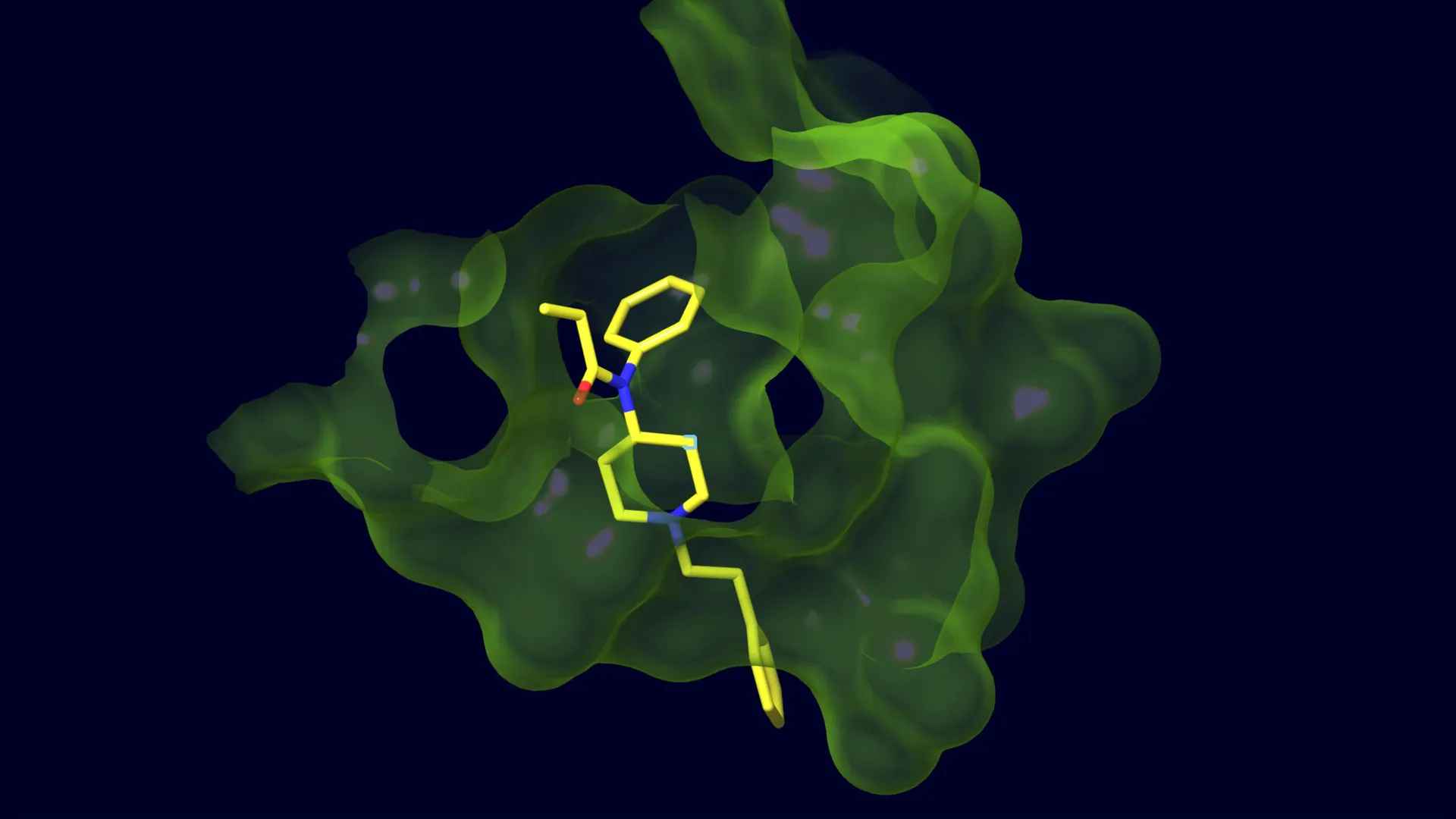
The escalating crisis of fentanyl-related synthetic opioid overdoses, a public health emergency claiming more American lives annually than motor vehicle accidents and gun violence combined, is spurring innovative scientific endeavors. In a significant stride towards proactive intervention, researchers at Scripps Research have unveiled an experimental vaccine designed not to treat an overdose after it occurs, but to prevent the potent synthetic opioid from ever reaching the brain. This groundbreaking approach, detailed in the Journal of Medicinal Chemistry, holds the potential to offer comprehensive protection against fentanyl and a vast spectrum of its illicitly modified counterparts, often engineered to enhance potency or evade detection.
A Paradigm Shift in Opioid Overdose Prevention
The current strategy for combating fentanyl overdoses largely relies on emergency interventions, primarily the rapid administration of opioid overdose reversal medications like naloxone. While these drugs can be life-saving, their effectiveness is critically dependent on timely deployment. The sheer volume and insidious nature of fentanyl’s presence in the illicit drug supply, however, necessitate a more preventative approach. Fentanyl, a synthetic opioid approximately 50 to 100 times more potent than morphine, exerts its deadly effects by binding to opioid receptors in the brain, profoundly disrupting vital functions, most notably respiratory drive. In high doses, this suppression can lead to rapid and fatal respiratory arrest.
The research from Scripps Research represents a fundamental departure from reactive measures. Instead of a post-exposure treatment, the team has focused on harnessing the body’s own immune system to neutralize fentanyl before it can exert its dangerous pharmacological effects. This vaccine strategy aims to train the immune system to recognize and neutralize fentanyl and its analogues in the bloodstream, thereby preventing them from crossing the blood-brain barrier and triggering a fatal overdose.
The Challenge of Evolving Illicit Drug Markets
The development of effective countermeasures against synthetic opioids is hampered by the dynamic and rapidly evolving nature of the illicit drug market. Manufacturers continuously modify the chemical structures of existing drugs to circumvent regulatory scrutiny and detection by law enforcement and toxicology screenings. This constant adaptation means that a vaccine designed to target a specific fentanyl variant may quickly become obsolete as new, slightly altered versions emerge.
"The way the fentanyl landscape is evolving, the black-market drug makers are constantly coming up with new versions to skirt regulations and avoid detection in standard screenings," explained Kim Janda, the Ely R. Callaway Jr. Professor of Chemistry at Scripps Research and senior author of the study. "We need countermeasures that are going to work against all these future variants at once, not just one at a time."
Traditional vaccine development for drug addiction and overdose prevention has often encountered significant hurdles. Many experimental vaccines rely on using the drug itself, or a very close analogue, as an antigen to elicit an immune response. This approach presents two primary challenges: the stringent regulation of these controlled substances, which complicates research and development, and the inherent specificity of the immune system, which may only generate antibodies capable of recognizing the exact molecule used in the vaccine. This specificity renders such vaccines vulnerable to the constant structural modifications seen in designer drugs.
An Unconventional Vaccine Architecture
The Scripps Research team’s innovative solution lies in the design of the vaccine’s antigen. Rather than employing a molecule that closely resembles fentanyl, they explored a radically different structural approach. Their strategy involved using a molecule that shares certain chemical characteristics with fentanyl but possesses a fundamentally distinct core structure. This unconventional design was based on the hypothesis that the immune system could be trained to recognize a broader molecular signature common to the entire fentanyl class, rather than a specific structural fingerprint of individual compounds.
"When we started testing this molecule as a vaccine component, we honestly didn’t know if it would work," stated Arran Stewart, a research associate in the Janda lab and the first author of the study. "The conventional wisdom says that to get the immune system to recognize fentanyl, you have to use something that looks like fentanyl. We were doing the opposite."
The researchers engineered a modified form of fentanyl that retained some of its therapeutic properties while mitigating its most dangerous side effects. This modified molecule, with its altered foundational structure, served as the key component for their experimental vaccine. The team then attached this molecule to a carrier protein, a common practice in vaccine development to enhance immunogenicity, and administered four doses to mice over an eight-week period.
Promising Results: Broad-Spectrum Protection
The results of the animal trials were remarkably encouraging, defying conventional expectations. The immune systems of the vaccinated mice successfully generated antibodies that recognized a broad molecular signature characteristic of many fentanyl-related compounds, rather than being narrowly focused on the precise structure of the vaccine component.
This broad recognition translated into significant protective effects. When tested against a panel of dangerous fentanyl designer drugs, the generated antibodies demonstrated potent binding to fentanyl itself, as well as to several highly potent and illicitly manufactured variants. These included carfentanil, a veterinary tranquilizer often found in street drugs and considered extremely dangerous even in minute quantities; China White, a street name for heroin often mixed with fentanyl; acetylfentanyl; and furanylfentanyl. Crucially, the antibodies did not bind to commonly used medical opioids such as morphine, oxycodone, remifentanil, and alfentanil, indicating a targeted response that would not interfere with legitimate pain management or addiction treatment.
The in vivo efficacy of the vaccine was further validated by its ability to prevent fentanyl-induced respiratory depression in mice. Vaccinated animals maintained nearly normal breathing patterns even when exposed to doses of fentanyl that would typically cause severe respiratory compromise in unvaccinated control subjects. Furthermore, pharmacokinetic analyses revealed that fentanyl levels in the brains of vaccinated mice were approximately 70% lower compared to their unvaccinated counterparts, providing direct evidence that the vaccine effectively prevented the drug from reaching its primary site of action.
Timeline of Research and Development
The development of this novel vaccine represents the culmination of years of dedicated research into opioid addiction and overdose prevention. The Janda laboratory at Scripps Research has a history of exploring immunotherapeutic approaches, having previously developed vaccine candidates targeting both fentanyl and heroin.
- Early 2010s: Initial research into the mechanisms of opioid addiction and the potential for immune-based interventions begins.
- Mid-2010s: Development of experimental vaccine candidates targeting heroin and earlier forms of fentanyl. Challenges related to antigen specificity and regulatory hurdles become apparent.
- Late 2010s: Focus shifts towards designing antigens that can elicit a broader immune response against the entire class of fentanyl-related compounds, acknowledging the evolving illicit drug market.
- Early 2020s: The development of a radically reconfigured molecular architecture for the antigen is achieved. This molecule shares key characteristics with fentanyl but possesses a fundamentally different core structure.
- Present: Publication of the findings in the Journal of Medicinal Chemistry, detailing the successful preclinical testing of the vaccine in animal models and demonstrating broad protection against fentanyl and its variants.
Background Context: The Fentanyl Crisis
The current opioid crisis in the United States, significantly exacerbated by the proliferation of illicitly manufactured fentanyl, has reached unprecedented levels. According to the Centers for Disease Control and Prevention (CDC), synthetic opioids, primarily fentanyl, were involved in over 70,000 drug overdose deaths in 2021 alone. This number represents a stark increase from previous years, highlighting the urgent need for novel prevention and intervention strategies. The drug’s extreme potency means that even a tiny amount, equivalent to a few grains of salt, can be lethal. This makes accidental exposure a significant risk for individuals who may be unaware they are consuming fentanyl-laced substances, including counterfeit pills and other illicit drugs.
The rise of fentanyl can be traced back to its legitimate medical use as a powerful anesthetic and painkiller. However, its illicit synthesis and distribution, often originating from clandestine laboratories, have transformed it into a primary driver of the overdose epidemic. The ease with which it can be manufactured and its high profit margin for drug traffickers have contributed to its widespread availability.
Potential Future Applications and Broader Implications
While the experimental vaccine has demonstrated significant promise in preclinical studies, it must undergo rigorous clinical trials to assess its safety and efficacy in humans. If successful, the implications for public health are profound.
"The public health potential here is significant," Dr. Janda emphasized. "But so is the lesson that we can design vaccines that recognize an entire drug class, not just a singular drug."
This platform technology could be particularly beneficial for individuals enrolled in substance abuse recovery programs, who are at high risk of relapse and subsequent overdose. It could also offer a layer of protection for first responders and other professionals who may face occupational exposure to fentanyl. Beyond direct overdose prevention, the research underscores a critical advancement in immunological design: the ability to create vaccines that target a class of related compounds rather than individual molecules. This principle could potentially be applied to develop countermeasures against other classes of rapidly evolving illicit drugs or even certain categories of chemical threats.
The success of this approach could also influence the strategies employed by law enforcement and public health agencies. By providing a more robust and adaptable preventative measure, it could help to mitigate the impact of emerging synthetic drugs and potentially disrupt the market for these dangerous substances.
Official Responses and Expert Commentary (Inferred)
While direct statements from federal health agencies were not immediately available regarding this specific research, the U.S. Food and Drug Administration (FDA) and the National Institute on Drug Abuse (NIDA) have consistently emphasized the critical need for a multi-faceted approach to the opioid crisis, including research into novel prevention and treatment modalities. NIDA, in particular, has been a significant funder of research aimed at understanding and combating the opioid epidemic. Sources within the public health sector have previously lauded innovative research that moves beyond solely reactive overdose reversal, highlighting the importance of preventative strategies.
Broader Impact and Analysis
The Scripps Research vaccine represents a significant scientific breakthrough with the potential to fundamentally alter the landscape of opioid overdose prevention. Its success in eliciting a broad immune response against a class of evolving drugs is a testament to innovative thinking in a field often challenged by the adaptive nature of illicit drug manufacturing. The implications extend beyond fentanyl, offering a blueprint for developing similar "class-targeting" vaccines against other drug categories or even chemical agents.
The research also highlights the ongoing scientific race to stay ahead of illicit drug trends. As drug manufacturers continue to innovate in their attempts to evade detection and regulation, the scientific community must likewise evolve its strategies. This vaccine’s ability to recognize a shared molecular signature, rather than a precise structural match, is a critical advantage in this ongoing battle.
The path from preclinical success to widespread clinical application is often long and arduous, involving substantial investment and rigorous testing. However, the potential benefits of a safe and effective vaccine capable of preventing fentanyl overdoses are immense. It offers a glimmer of hope in a public health crisis that has devastated countless families and communities across the United States, shifting the paradigm from managing the consequences of overdose to actively preventing it. The collaborative efforts of researchers like those at Scripps Research are crucial in developing the innovative tools needed to combat this complex and deadly epidemic.
The study, titled "Redefining Drug Immune Recognition: A Radically Reconfigured Molecular Architecture Enables Broad Fentanyl-Class Protection," was authored by Janda, Stewart, Lisa Eubanks, Bin Zhou, and Rachel Steinhardt, all of Scripps Research. The work was supported by the Shadek Family Foundation.