Kang Muslim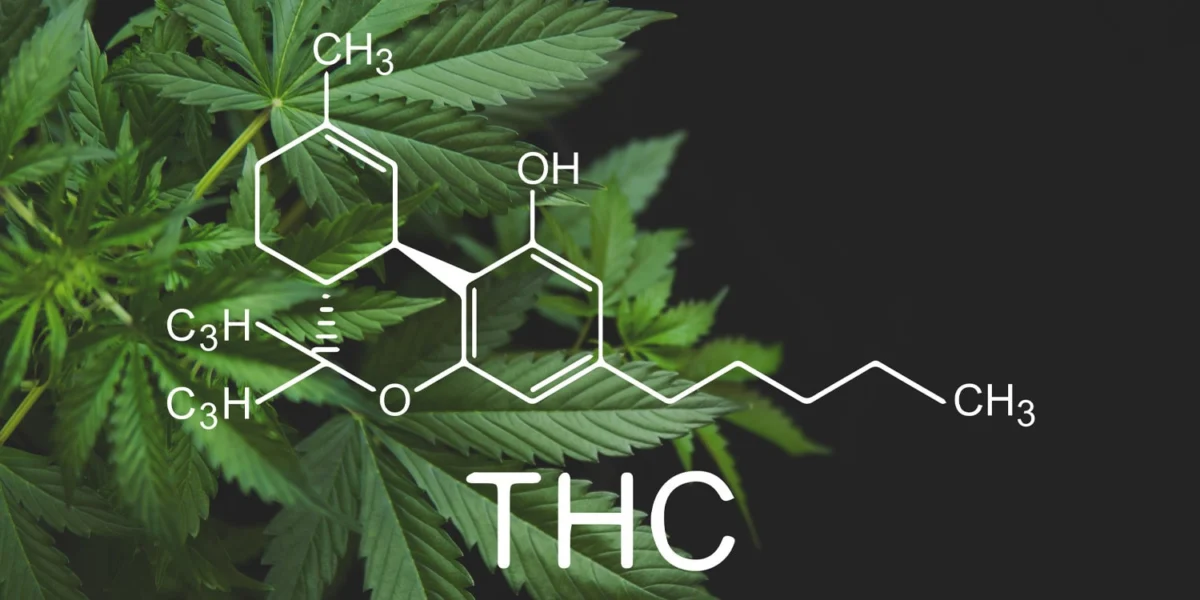
Lead researchers Valentina Castelli of the University of Palermo and Giuseppe Tringali of the Università Cattolica del Sacro Cuore in Rome spearheaded the investigation to map the molecular consequences of fetal drug exposure. Their findings suggest that the endocannabinoid system, which serves as a master regulator of fetal brain development, is fundamentally disrupted by the introduction of exogenous plant-derived cannabinoids. This disruption fundamentally rewires the nucleus accumbens, a critical hub for processing motivation, pleasure, and reinforcement, thereby altering the behavioral trajectory of the offspring when they encounter addictive substances later in life.
The Biological Framework of the Endocannabinoid System
The human brain, much like that of the rat models used in this study, relies on an intricate internal network known as the endocannabinoid system (ECS). This system is comprised of naturally occurring lipid-based neurotransmitters—endocannabinoids—and their corresponding receptors. During gestation, the ECS plays a foundational role in neurogenesis, the process by which new neurons are formed. It guides the migration of these cells to their correct locations and dictates how they form the billions of synaptic connections that define adult brain function.
Because THC shares a high degree of molecular structural similarity with the body’s endogenous cannabinoids, it can bind to the same receptors, particularly the CB1 receptor. When a pregnant individual consumes cannabis, THC crosses the placental barrier and enters the developing fetal brain. Here, it can act as a "false signal," overriding the precise chemical cues that the ECS uses to build the brain. The study highlights that the nucleus accumbens is particularly sensitive to these prenatal interruptions. As the center of the brain’s reward system, the nucleus accumbens evaluates stimuli through chemical calculations involving dopamine. By altering the density and sensitivity of these receptors before birth, THC exposure essentially "primes" the brain to react differently to rewarding stimuli, such as alcohol, during the high-risk window of adolescence.
Chronology of the Experiment and Methodology
To investigate these long-term impacts, the research team utilized a sample of 69 rats, meticulously tracking their development from the prenatal stage through early adolescence. The experiment followed a strict chronological progression:
- Prenatal Administration: Half of the pregnant rats were administered a moderate daily dose of THC throughout their gestation period. This dosage was calibrated to reflect common levels of consumption in humans. The remaining half received a placebo solution, ensuring a controlled environment to isolate the effects of the drug.
- Early Development: Following birth, the offspring were allowed to mature without further drug intervention until they reached early adolescence, a period characterized by heightened neuroplasticity and behavioral experimentation.
- The Drinking Trial: Upon reaching adolescence, the rats were introduced to an "intermittent access" protocol. For three weeks, they were given access to a 20 percent alcohol solution for three days per week. This "on-off" schedule is a standard scientific model used to simulate human binge-drinking patterns, which are often concentrated on weekends or specific social intervals.
- Biological Sampling: Researchers collected brain tissue samples at two critical junctures: immediately before the alcohol trial began and immediately following its conclusion. This allowed the team to distinguish between brain changes caused by prenatal THC and those caused by subsequent alcohol consumption.
By monitoring the exact volume of alcohol consumed relative to body weight, the researchers were able to quantify the behavioral differences between the exposed and control groups with high precision.
Sex-Specific Behavioral Divergence
The most striking revelation of the study was the stark difference in how male and female offspring responded to the availability of alcohol. The data suggests that prenatal THC exposure does not produce a uniform "addiction switch" but rather creates distinct vulnerabilities based on biological sex.
Female rats prenatally exposed to THC exhibited what researchers described as an immediate "heightened vulnerability." From the very first day the alcohol solution was made available, these females consumed significantly higher quantities than the unexposed control females. This behavior did not taper off; rather, it remained consistently high throughout the 21-day trial. The exposed females effectively bypassed the "tasting" or "experimentation" phase, moving directly into high-intensity binge drinking.
In contrast, the prenatally exposed male rats displayed a phenomenon known as "initial avoidance." During the first two weeks of the trial, these males drank significantly less alcohol than even the control group, appearing to find the stimulus aversive or uninteresting. However, this protective barrier was temporary. By the third week, the avoidance behavior collapsed, and the males’ alcohol consumption escalated rapidly, mirroring the binge-like patterns seen in the females. This "delayed escalation" suggests that while the male brain may have initial defenses against substance use, the underlying biological alterations eventually facilitate a rapid transition to heavy use.
Molecular Analysis: Receptors and Blueprints
To explain these behaviors, the scientists analyzed the messenger RNA (mRNA) in the nucleus accumbens. mRNA serves as the molecular blueprint that tells a cell which proteins to manufacture. By measuring the production of these blueprints, the researchers could see exactly how the "machinery" of the reward center had been modified.
In the pre-alcohol samples of the female rats, the researchers found a higher density of dopamine receptors and an increased presence of enzymes responsible for synthesizing natural endocannabinoids. In the context of the nucleus accumbens, this configuration acts as a "green light." Normally, the brain has "braking" neurons that encourage caution when encountering new, potent stimuli. In the THC-exposed females, these brakes were effectively loosened. The abundance of dopamine receptors meant that even a small amount of alcohol triggered a massive reward signal, reinforcing the behavior immediately.
The male brains, prior to alcohol exposure, showed a different molecular profile. They exhibited an increase in cannabinoid receptors (CB1) and a decrease in the enzymes that build endocannabinoids. This specific arrangement is associated with "defensive signaling," which explains why the males initially avoided the alcohol. Their brains were biologically tuned to reject the stimulus. However, the study found that the act of binge drinking itself began to erode these defenses.
The Impact of Binge Drinking on Brain Plasticity
The research further explored how three weeks of alcohol consumption altered the already-compromised brains of the subjects. By the end of the trial, both sexes showed a dramatic decrease in cannabinoid receptors. This "downregulation" is a common response to overstimulation; the brain attempts to protect itself by becoming less sensitive to the drug.
However, for the male rats, this chemical shift was the catalyst for their behavioral change. As the alcohol-induced changes began to deplete their initial "avoidance" signaling, the protective barrier disappeared. The "chemical erosion" of their natural baseline pushed them toward the same escalated drinking habits seen in the females. This suggests that prenatal THC exposure creates a "fragile" brain state in males—one that appears resilient at first but is uniquely susceptible to rapid degradation once alcohol use begins.
Public Health Implications and Analysis
This study arrives at a time of shifting legal and social landscapes regarding cannabis. As more regions move toward legalization, the perceived risk of cannabis use has declined, leading to an increase in reported use among pregnant individuals. This research provides a critical factual counterpoint to the "natural" or "harmless" perception of the drug during pregnancy.
The implications for human health are significant, though the researchers caution that rat models are not perfect mirrors of human complexity. Humans are subject to social pressures, economic factors, and psychological influences that rats are not. Nevertheless, the biological foundations of the reward system are highly conserved across species. If prenatal THC "primes" the human brain in a similar fashion, it could explain why some adolescents are more prone to rapid-onset addiction while others are not.
The sex-specific findings are particularly relevant for targeted prevention. If female offspring are at risk for immediate binge behavior, intervention strategies might need to focus on early childhood and pre-adolescence. For males, the risk may be more insidious, manifesting as a sudden escalation after a period of apparent moderation.
Future Research and Potential Interventions
The scientific team led by Castelli and Tringali emphasizes that this study is an opening into a deeper field of inquiry. One of the primary remaining questions is the duration of these changes. It is currently unknown whether the brain alterations persist into adulthood or if the brain can eventually recalibrate its reward pathways if alcohol is removed.
Furthermore, the discovery of specific mRNA changes opens the door for potential pharmacological interventions. If scientists can identify the exact enzymes and receptors that are mismanaged due to prenatal THC exposure, they may be able to develop treatments that "reset" the nucleus accumbens, potentially reversing the heightened vulnerability to addiction.
For now, the study serves as a rigorous biological warning. It highlights that the choices made during the gestational period can leave lasting, physical imprints on the genetic blueprints of the next generation’s brains, fundamentally altering how they experience pleasure, exercise restraint, and navigate the risks of adolescence. As the scientific community continues to map the "endocannabinoid-dopamine nexus," the focus remains on understanding the invisible biological scars left by prenatal drug exposure and finding ways to mitigate their impact on public health.